DISTRIBUTOR-FIRST SUPPLY PARTNER · SINCE 1999 Live · Pneumatic Automation System

SPC Company
Pneumatic Automation / Sensing & Feedback / Sensors & Switches / Cylinder Position Sensor
Layer 06 · Sensing & Feedback Performance · SMC
What it is

Cylinder Position Sensor

Compare tiers ↓

A cylinder position sensor, also called an auto-switch, detects the magnetic piston inside a pneumatic cylinder and tells the control system where the rod is. It confirms that the cylinder has actually reached end-of-stroke, extended or retracted, before the machine's logic advances to the next step. Without that confirmation the PLC is working blind: it commands a motion and assumes it happened. With it, the sequence is verified at every step. The sensor mounts on the outside of the cylinder body and reads the piston's magnet straight through the barrel wall, no port, no air connection, no break in the pressure envelope. It is a purely electrical add-on. Two sensing technologies are used: a reed switch (magnetically actuated mechanical contact, simple and low cost, suited to lower-cycle duty) and a solid-state switch (magneto-electronic element with no moving contact, faster and far longer-lived, correct for high-cycle automation and safety-critical motion).
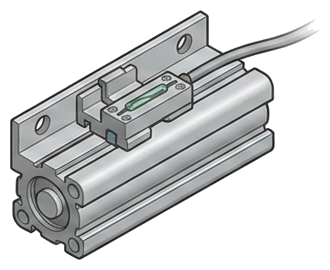
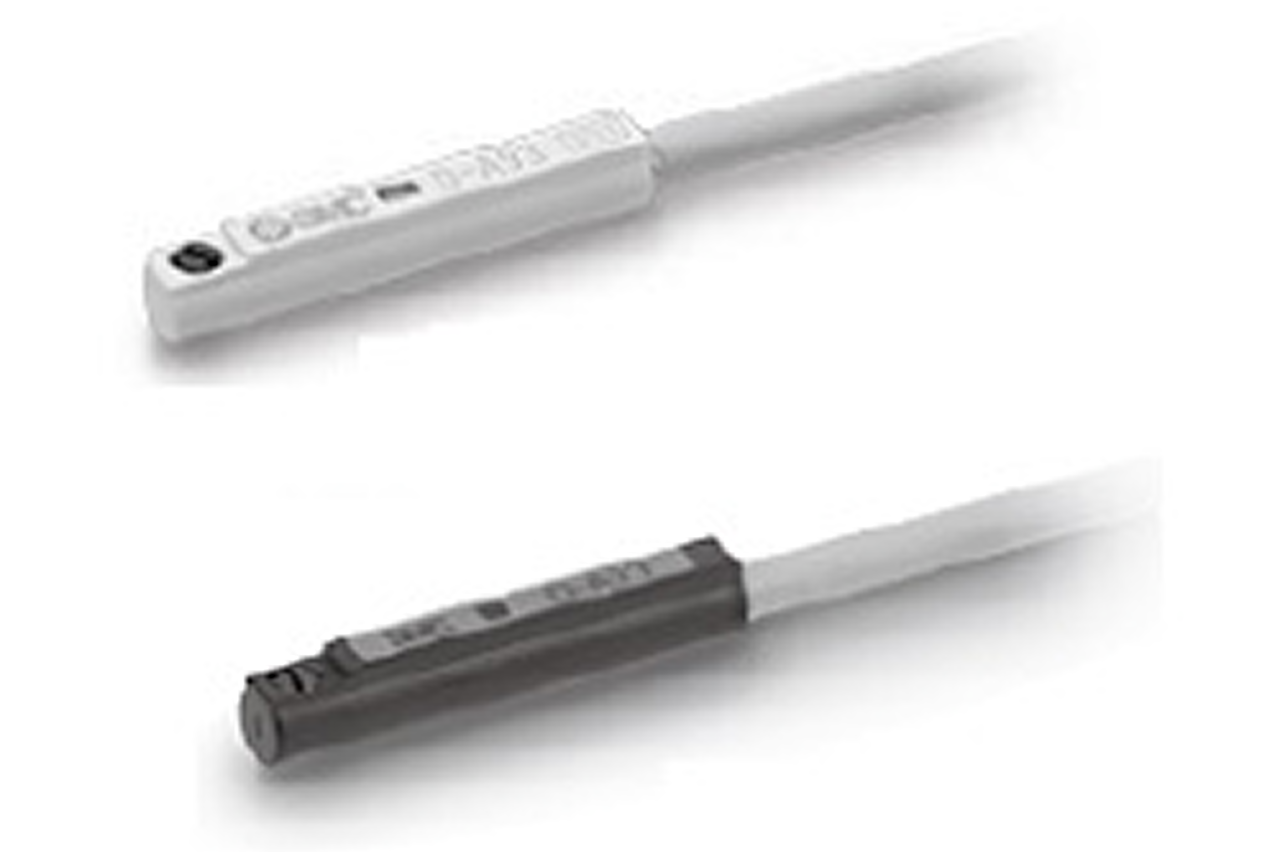
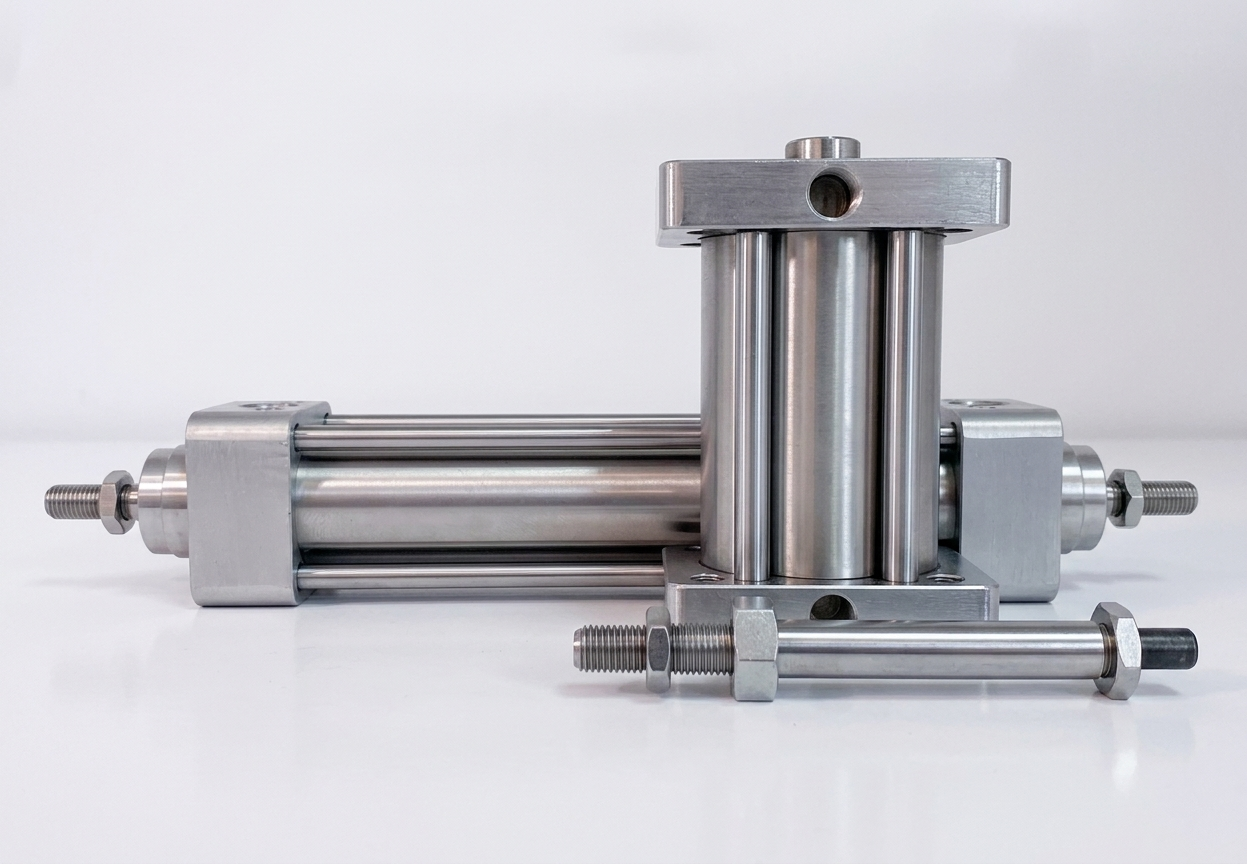
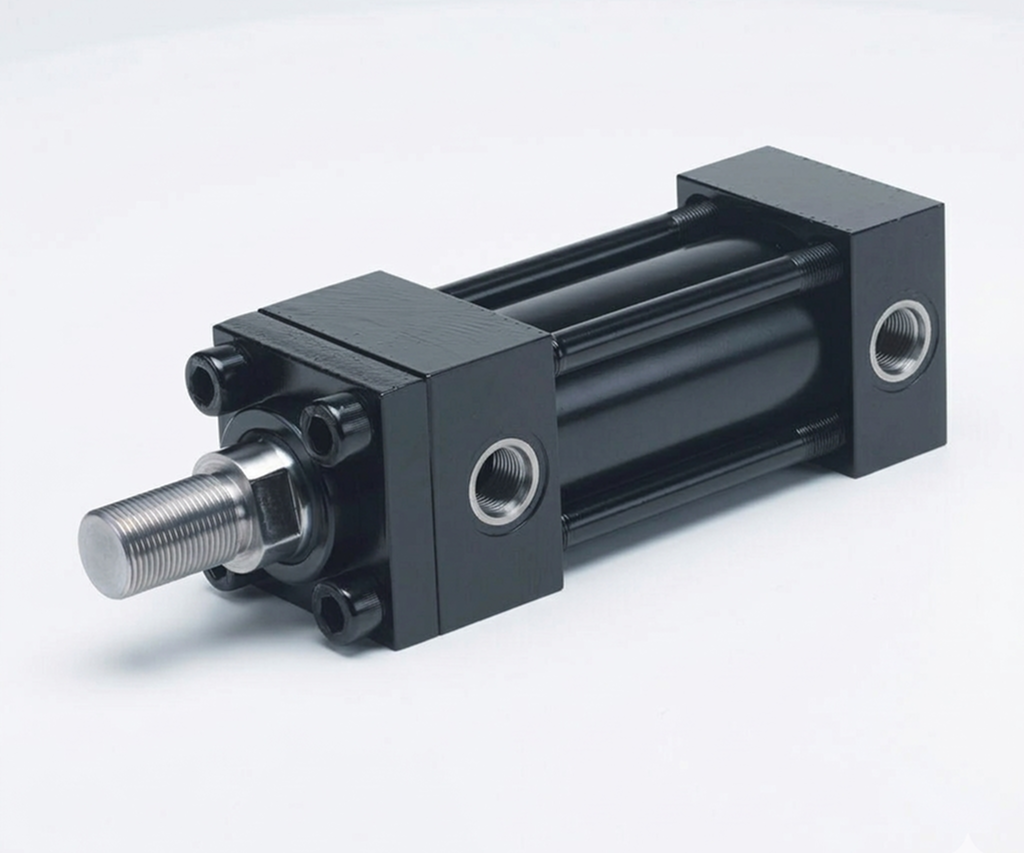
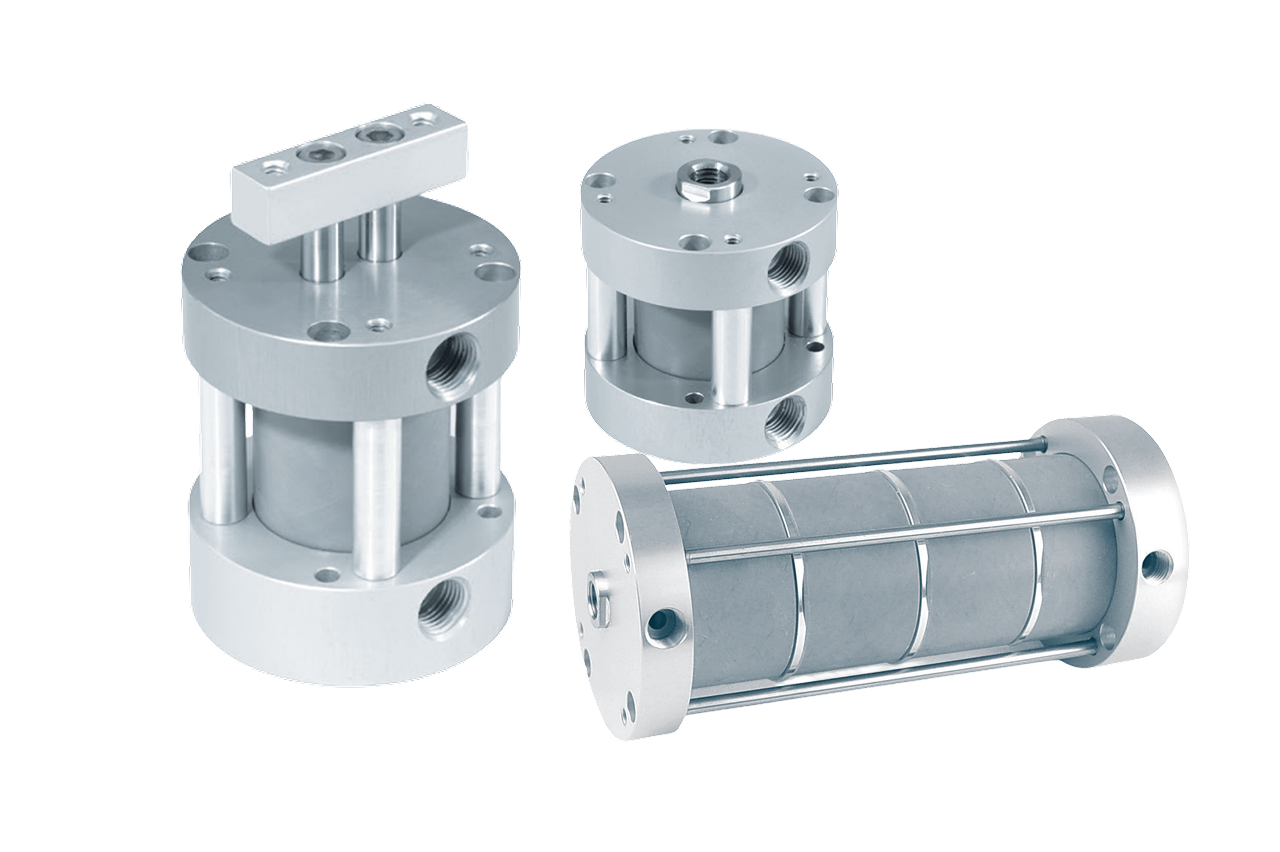
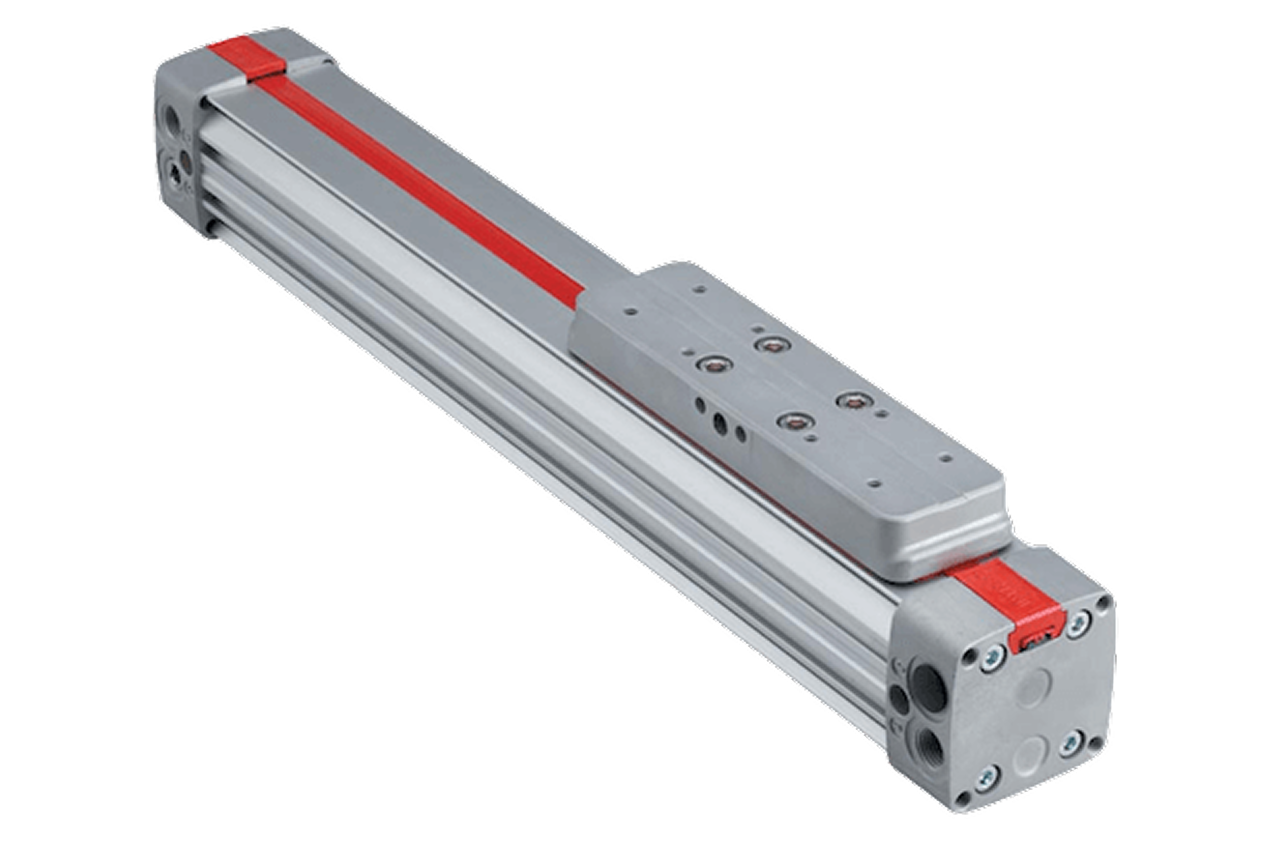
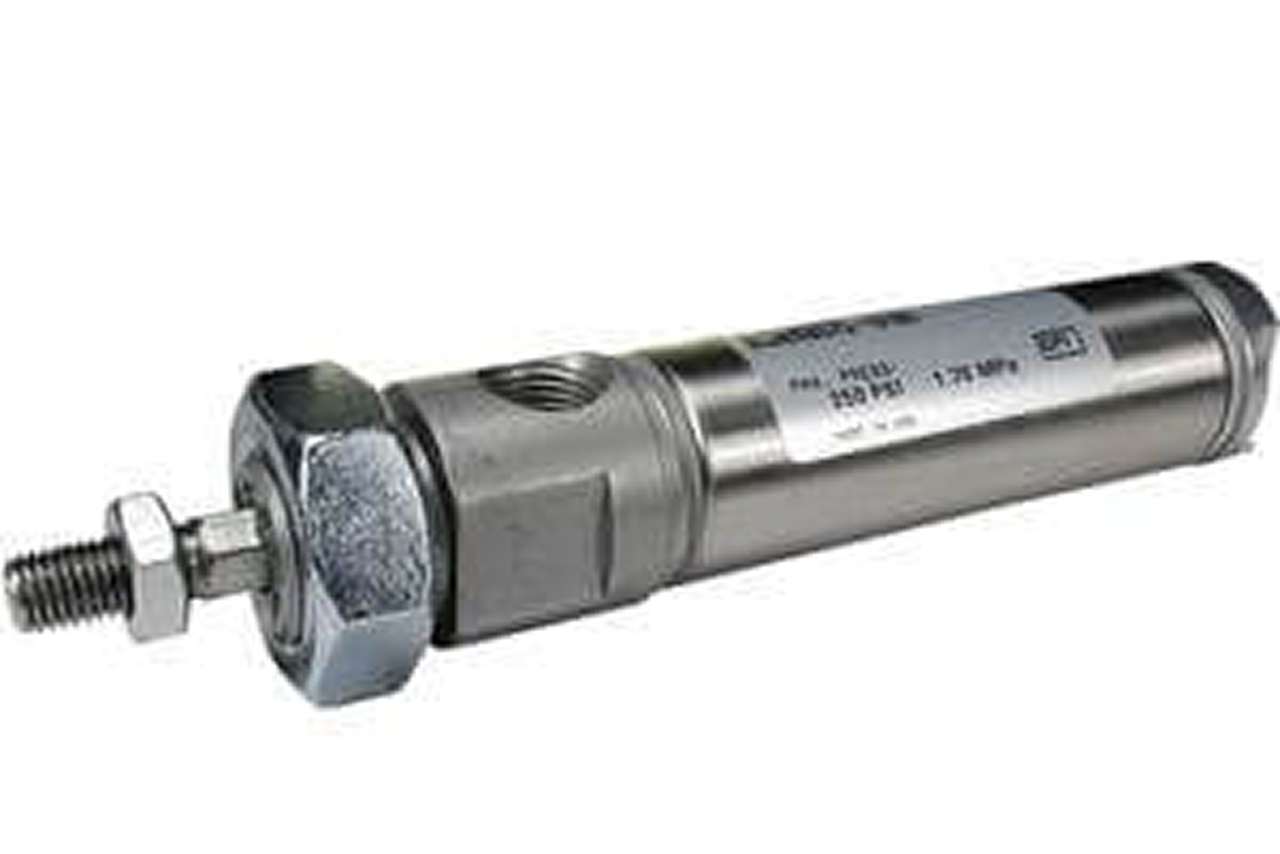
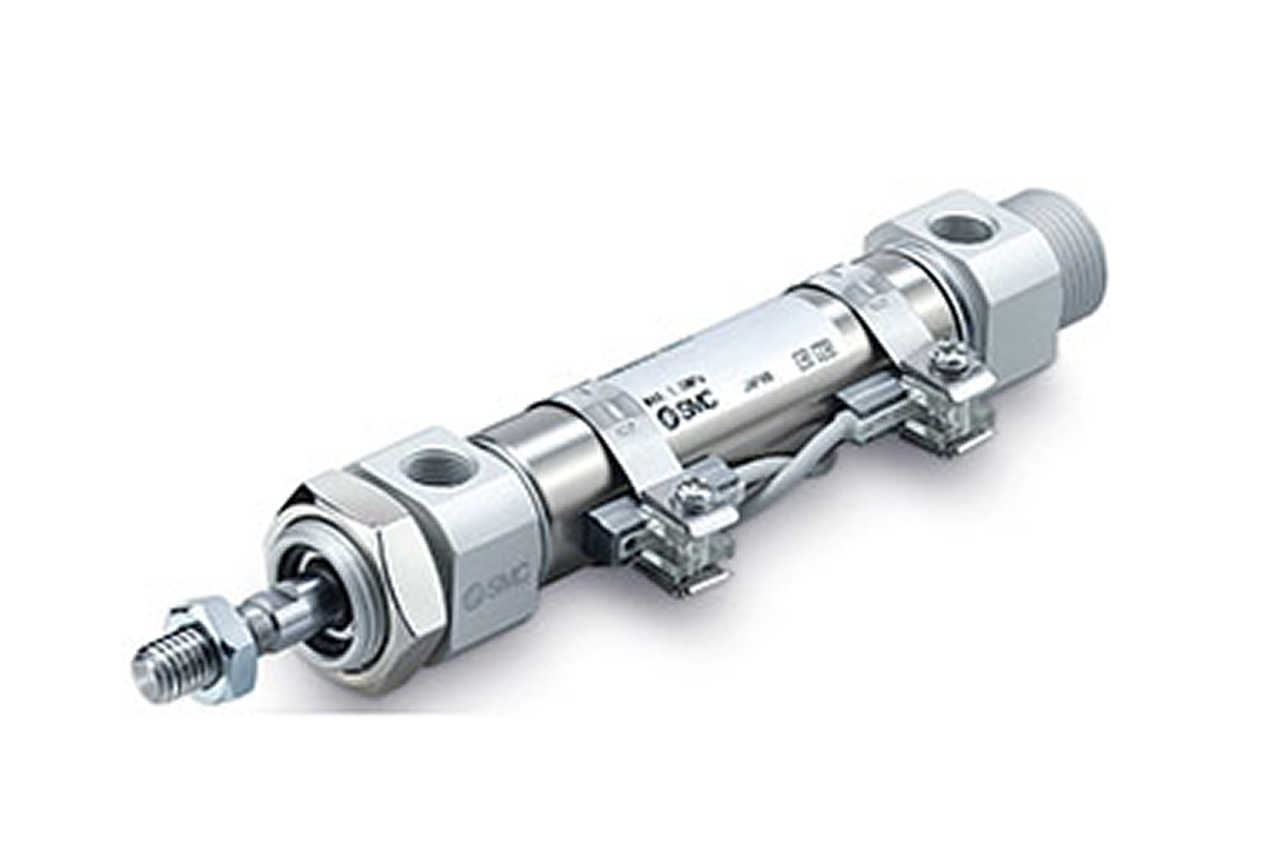
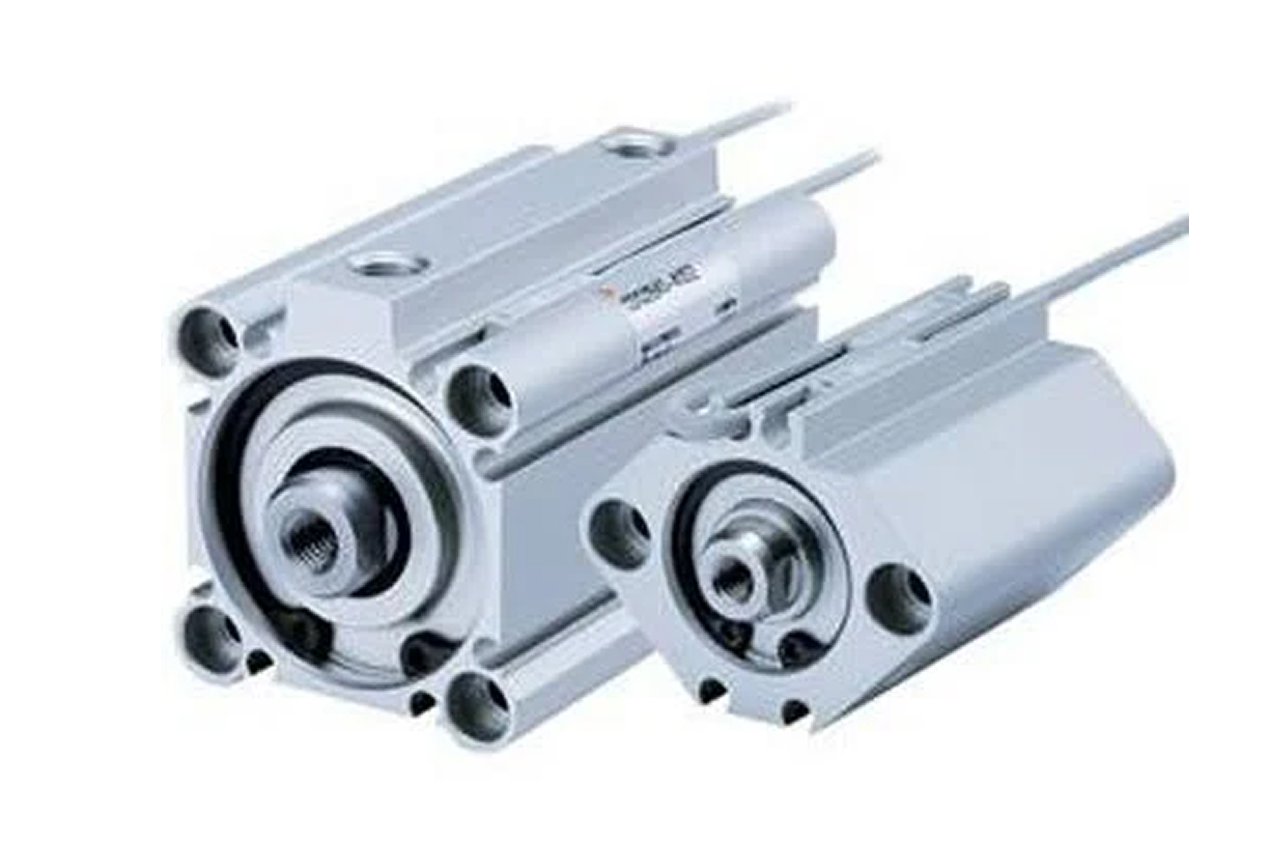
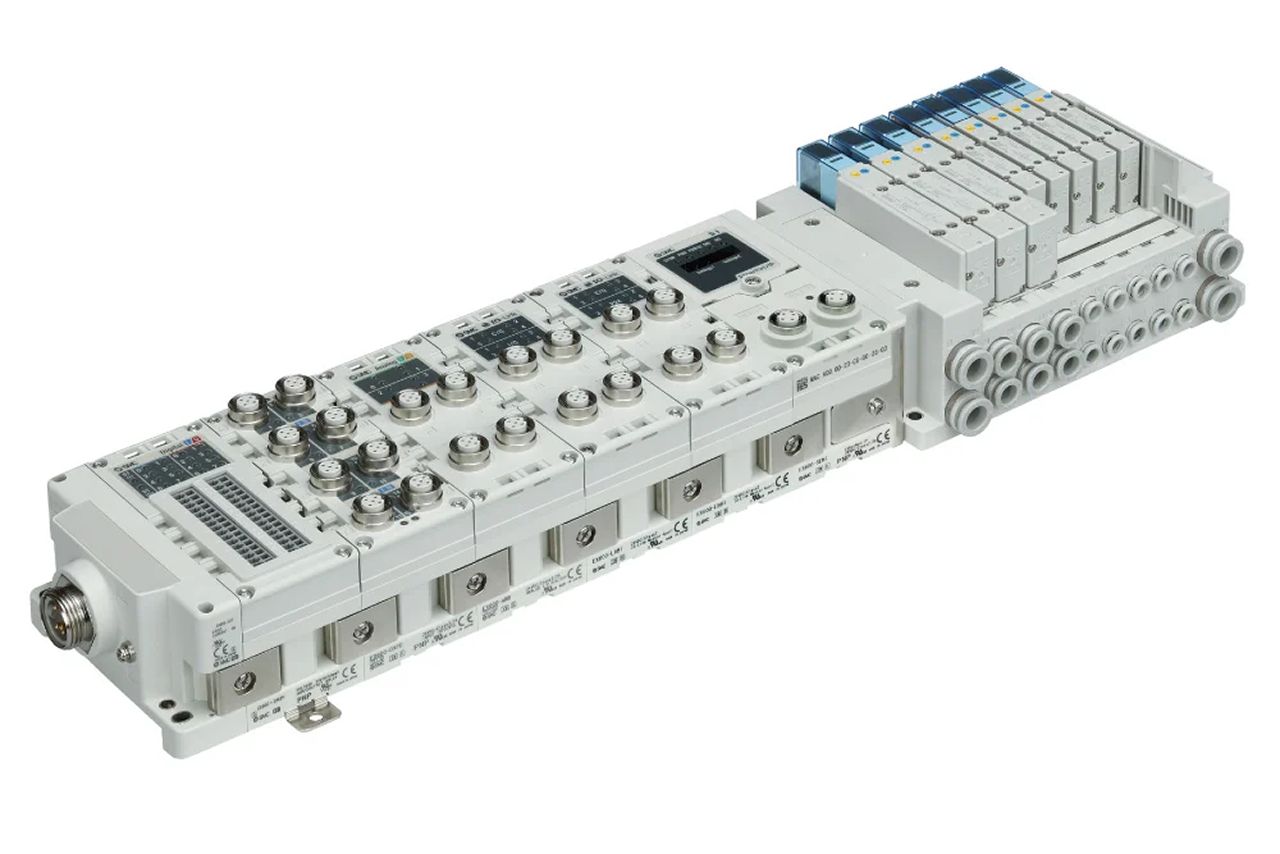
Pictorial Representative cylinder position sensor
Cylinder Position Sensor — representative illustration
Real-world reference Representative cylinder position sensor
Cylinder Position Sensor — representative product photo
Why it's needed

Why this matters.

When and how to spec cylinder position sensors, and when to step up technology or sealing. Review the points below.

01 · Key point
Closes the PLC's blind loop.

Without end-of-stroke confirmation, the PLC commands extend and waits a fixed time hoping it happened: until the cycle slows from low supply, a clogged muffler, or rod interference, and the next step fires on nothing. The sensor gives electrical certainty before the sequence advances.

02 · Key point
Purely electrical add-on.

No air connection, no port, no break in the pressure envelope. Sensor reads the cylinder's piston magnet straight through the barrel wall, slides into the ISO 15552 slot, clamps to an NFPA band, threads into a compact body, or rails on rodless. Mounts in seconds, no fabrication.

03 · Key point
Highest-volume reorder line.

2 per cylinder is standard (extend + retract). Math: cylinder count × 2 + 20% spare. A 50-cylinder plant generates 5-10 sensor replacements/year: water ingress on washdown, cable damage on moving installs, drift after years of vibration. Capture install count at original sale.

04 · Pro tip
Match output to the PLC input.

Sensor selection is series-specific (mount must match cylinder family), but the call that breaks at install is electrical: 3-wire PNP (most North American), 3-wire NPN (legacy / European), or 2-wire. Pull the PLC input card spec sheet before quoting; get NO vs. NC right for safety circuits.

05 · Where not to use
Reed switches in 24/7 production.

Reed switches use a mechanical contact, reach end-of-life within 1-2 years on a 50-cylinder line running continuous. → Switch to solid-state (Hall-effect / magnetoresistive) for 10-20× service life; cost premium pays back in months on production rates.

06 · Where not to use
Standard sensors in washdown.

Standard sensors aren't sealed for direct washdown spray, water tracks down the cable, ingresses through the housing, fails within months. → Re-spec to IP67-rated sealed variants with stainless mounts and sealed cable entry for food, pharma, and outdoor installs.

07 · Where not to use
Standard sensors in foundry heat.

Most switches are rated to ~70°C max: fail fast above that in oven, heat-treat, or near hot-process zones. → Switch to high-temperature variants rated 80-100°C continuous for severe-service installs paired with heavy-duty cast cylinders.

Key selection criteria

What we need to spec it right.

From the machine spec sheet to the part number. Answer what you know, leave the rest blank, and send.

04Choose your priority  ·  core differentiator

Whatever your lever — performance, value, or price — SPC has the right brand.

Pick the priority; the quote desk handles the cross-reference.

01 Performance 1 brand
Where it's used

Industries served.

Each industry below uses this product across the listed areas. Open an industry to see how it fits the rest of its system.

Also applies to End-of-stroke confirmation on every PLC-controlled cylinder · Safety-critical motion verification · Solid-state with safety-rated output · Multi-position sensing on long-stroke cylinders · IO-Link integration for smart automation · Replacement on aging installs · The recurring MRO line. · Mixed-cylinder fleets with consistent sensor standard · Production-line cycle-rate monitoring · IP67-rated sealed variants

Install · 5 critical steps

The things that matter on the first install.

Step 01
Match the sensor to the cylinder's mounting profile
ISO 15552 longitudinal slot, NFPA clamp-on band, compact integrated mount, dedicated non-rotating body-mount, rodless rail-mount. The sensor must match the cylinder series's mount geometry; cross-mounting is sometimes possible with cross-mount variants but verify compatibility before ordering.
Step 03
Match electrical output to PLC input
3-wire PNP (sources current to PLC input, most common in North America), 3-wire NPN (sinks current, some legacy and European installations), 2-wire (simpler wiring, less robust). Normally-open (contact closes on magnet detection, standard) or normally-closed (contact opens on detection, safety-circuit applications). Get the PLC input card spec sheet before specifying.
Step 05
Mount the sensor in the cylinder's groove or band
ISO 15552: slide into the longitudinal slot, position approximately at end of stroke, finger-tight the clamp. NFPA: install the band around the body, position the sensor under the band, tighten band clamp. Compact / MB: thread into integrated mounting position. Rodless: rail-mount on the cylinder's switch rail.
Step 06
Set sensor position by cycling, not by measurement
With the cylinder cycling at production speed and the PLC observing the sensor LED, adjust sensor position until the LED triggers reliably at the desired position. Slow-cycle adjustment misses the high-speed trigger point; static positioning misses entirely. Sensor LED is the visible indicator that the piston magnet is in the trigger range. Tighten the mount after setting position; re-cycle to confirm.
Step 07
Wire to PLC per the input card requirement
3-wire: brown (+24V), blue (0V), black (signal to PLC input). 2-wire: two-conductor connection (polarity per sensor spec, usually marked). Verify wiring at the PLC: signal lead to input terminal, common to PLC common. Test sensor operation through PLC diagnostic before committing to production.
Troubleshoot · top failures

Most returns trace to one of these causes.

Symptom
Most likely cause
Fix
Sensor not triggering or triggering inconsistently
Sensor has drifted out of trigger position (most common, especially on vibrating equipment), water has ingressed into the housing, cable damage between sensor and PLC, or, rarely, piston magnet weakened after 20M+ cycles.
Re-position the sensor while cycling at production speed and watching the LED. If position is correct but trigger is intermittent, inspect cable for damage; replace if found. For water ingress, the sensor is end-of-life, replace with IP67-rated variant if environment is wet. Magnet weakening means full cylinder replacement.
Sensor triggers continuously (always-on output)
Sensor failure (Hall-effect or magnetoresistive element failed, or reed contacts welded closed, yes, even solid-state can fail), wiring fault (signal lead shorted to power), or sensor magnetically saturated by a strong nearby magnetic field.
Disconnect sensor from PLC and test signal lead voltage with multimeter; if signal is always at full voltage, sensor is failed, replace. For wiring fault, inspect and re-wire. For magnetic saturation, identify and relocate the interference source.
Sensor LED flickers but PLC doesn't see the signal
PLC input card not recognizing the sensor's output (wrong PNP/NPN match, voltage incompatibility), wiring fault (signal lead disconnected, common not connected), or PLC programming not reading the input.
Verify PNP/NPN match between sensor and PLC input card. Check wiring continuity from sensor to PLC terminal. Test PLC input with a known-good sensor or force a signal at the PLC terminal to isolate where the signal is being lost.
Sensor triggers at the wrong stroke position
Sensor has physically drifted along the cylinder body (vibration over time, loose mount clamp), piston magnet has shifted internally (rare, on rebuilt cylinders), or, on multi-sensor installs, sensors swapped during a previous service.
Re-position the sensor to correct trigger location while cycling. Verify sensor identity (sometimes sensors get mislabeled during installs). On rebuilt cylinders, the piston magnet position should be unchanged from original; if shifted, the internal assembly is off and may need professional service.
Premature sensor failure on washdown or outdoor installs
Water ingress through cable entry or sensor body. Standard sensors are not rated for washdown: IP67 sealed variants are required for wet environments.
Replace with IP67-rated sealed variant. Verify cable routing protects against direct washdown spray; cable management with drain loops prevents water tracking down the cable to the sensor body. For chronic water-failure issues, the install environment may need additional protection (sensor cover, relocated to a drier position).
Reed switches failing in months on a new install
Cycle rate exceeding reed switch service life. Reed switches have mechanical contact life; high-cycle production (thousands of cycles per shift) reaches end of life within months.
Switch to solid-state. For existing reed installs on production machines, plan a replacement program at the next opportunity. Reed remains appropriate for light-cycle applications; production rate requires solid-state.

Get the right cylinder position sensor on quote in 24 hours.

Send us the application — a specialist routes you to the correct tier with a configured part. Lead-times and pricing returned within one business day.

Open quote engine ↑