DISTRIBUTOR-FIRST SUPPLY PARTNER · SINCE 1999 Live · Compressed Air System

SPC Company
Compressed Air / Service / MRO / Compressor Service Parts / Food-Grade Compressor Oil
Layer 08 · Service / MRO Performance · KELTEC Value · AMSOIL Industrial
What it is

Food-Grade Compressor Oil

Compare tiers ↓

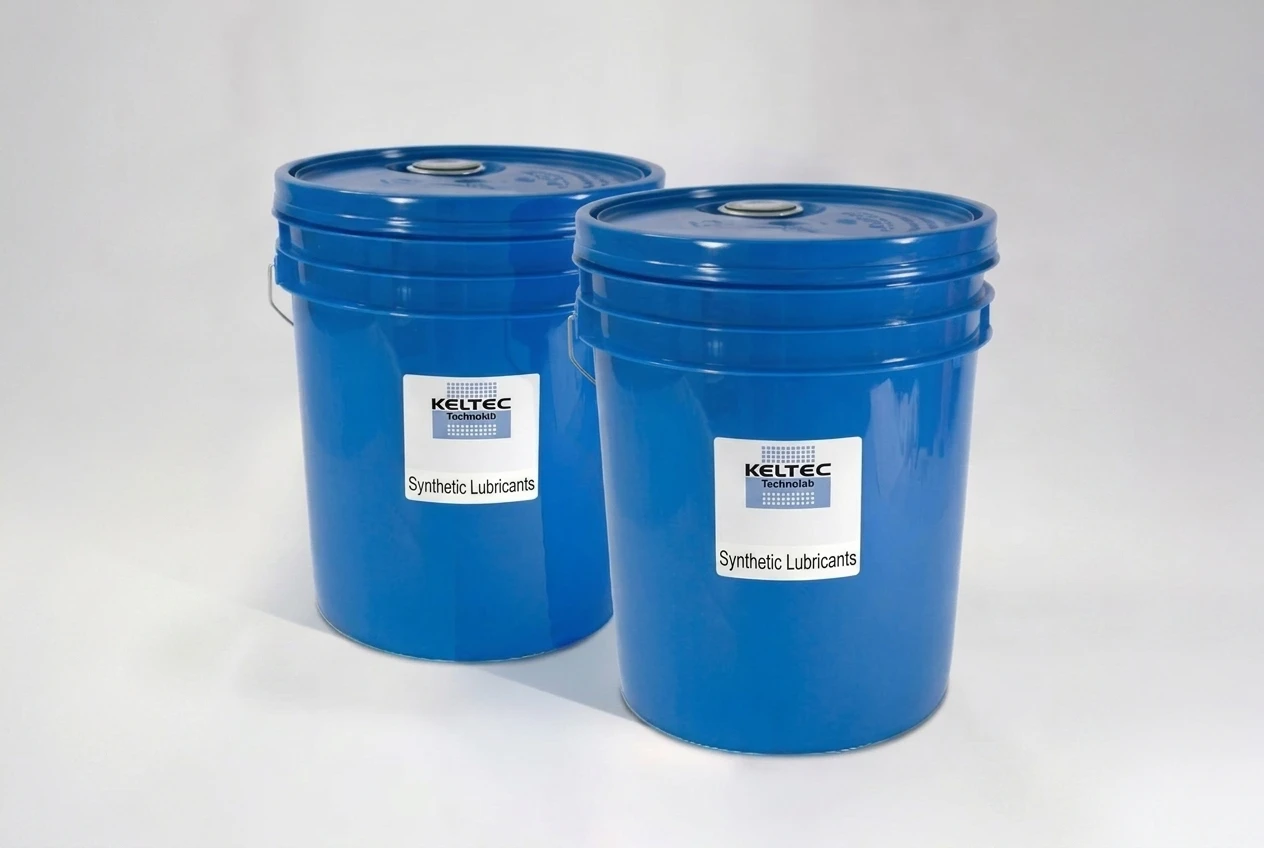
Synthetic compressor oil registered for incidental food contact: the lubricant a food, beverage, or pharmaceutical plant specifies when its audit demands an audit-cleared fluid on any compressor that could place oil, or oil-laden compressed air, near product. Built on H1-cleared synthetic base stocks and supplied in standard ISO viscosity grades (the international viscosity scale, ISO 32, 46, 68 are the common food-grade grades), and selected by OEM cross-reference against whatever proprietary-branded fluid the unit currently runs. Looks, pours, and fills like any other synthetic compressor oil; the difference is the registration on the paperwork.
Pictorial Representative food-grade compressor oil
Food-Grade Compressor Oil — representative illustration
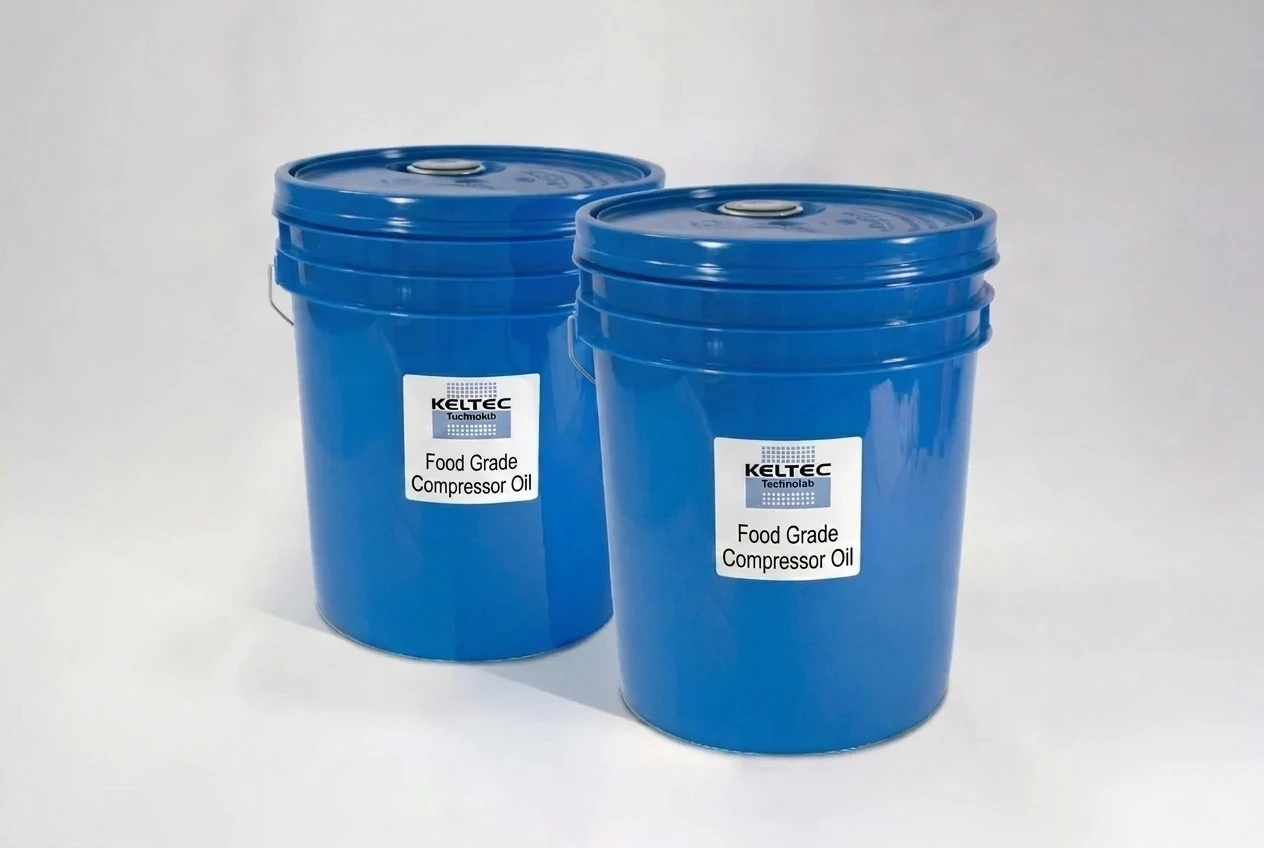
Real-world reference Representative food-grade compressor oil
Food-Grade Compressor Oil — representative product photo
Why it's needed

Why this matters.

When food-grade H1 is required, and what the audit actually looks for. Review the points below.

01 · Key point
The registration IS the product.

Customer isn't shopping the oil, they're shopping audit defense. NSF H1 registration document ships with every fill and goes straight into the lube log. The binder is what passes the audit, not the gallon.

02 · Key point
It crosses to the OEM H1 fill.

OEM aftermarket equivalent H1 oils cross-reference to Roto-Foodgrade, Sullube FG, QuinSyn FG, IR Ultra FG Coolant, 25-40% lower per gallon with equivalent H1 registration.

03 · Key point
It still runs 2-3x mineral.

H1 chemistry is more constrained than standard packages, so ~6,000 service hours per drain against ~8,000 for non-H1 synthetic. Still well above the 2,000-4,000 of mineral; TCO-positive against the OEM-branded H1.

04 · Pro tip
Ask the audit-trigger question.

Open every food/pharma conversation with: "Does your audit require H1 on the compressor?" If yes → H1 cross at matching ISO grade (typically 32/46/68), registration number on the quote. If no → route to standard synthetic. Then ask about plant-wide consolidation (some H1 lines cover compressor + hydraulic + gear-drive in one SKU).

05 · Where not to use
General industrial plants.

No audit-driven H1 requirement = no reason to pay for H1. Shorter intervals, higher per-gallon cost, no performance upside. → Re-spec to standard synthetic for packaging machinery, automotive assembly, general MRO.

06 · Where not to use
ISO grades the OEM didn't spec.

Consolidating H1 SKUs by substituting a "close" ISO grade is an audit-finding waiting to happen, the OEM spec governs and the auditor checks it. → Match the OEM ISO grade exactly; one H1 SKU per compressor model, not per plant.

07 · Where not to use
H1 oil without a downstream coalescer.

Air-oil separator targets <3 ppm but never reaches zero, on a food line, ANY measurable trace is a finding. → Add a 0.01 micron coalescer at compressor discharge; H1 + coalescer is the audit-defensible architecture.

Key selection criteria

What we need to spec it right.

From the machine spec sheet to the part number. Answer what you know, leave the rest blank, and send.

04Choose your priority  ·  core differentiator

Whatever your lever — performance, value, or price — SPC has the right brand.

Pick the priority; the quote desk handles the cross-reference.

01 Performance 1 brand
02 Value 1 brand
Where it's used

Industries served.

Each industry below uses this product across the listed areas. Open an industry to see how it fits the rest of its system.

Also applies to Plant-wide H1 consolidation · High-value vendor-lock conversation

Install · 6 critical steps

The things that matter on the first install.

Step 01
Confirm the audit standard before quoting the grade
NSF H1 is the recognized U.S. standard; some plants run against USDA/FDA criteria, and pharma lines may require additional certifications (USP, kosher, halal). Ask the quality team WHICH standard the audit cites; quote against that standard specifically.
Step 02
Match the ISO viscosity grade to OEM spec exactly
ISO 32, 46, 68 are the common food-grade grades, the compressor manufacturer specifies one and the H1 fluid must match. Substituting grades to consolidate H1 SKUs across the plant is not acceptable; the OEM spec governs and the auditor checks it.
Step 03
Do a complete drain + flush on conversion from non-H1
Even though PAO/ester H1 fluids ARE chemically intermixable with non-H1 PAO/ester fluids, any residual non-H1 oil compromises the registration. Run an H1-rated flush charge 1-4 hours under light load, drain hot, refill with H1, then document the conversion in the lube log.
Step 04
Replace the oil filter with an H1-compatible filter at every change AND update the audit binder
Filter media itself isn't normally H1-cleared, but the housing seal and gasket materials should be confirmed against food-contact requirements. The audit binder must show: NSF H1 registration document, ISO grade, fill date, fill quantity, operator signature. A correct fill with missing paperwork still fails the audit; the documentation IS the audit defense.
Step 05
Pull baseline + 1,000-hour oil samples; expect SHORTER analyzed life than standard synthetic
H1 chemistry runs ~6,000 hours typical in rotary-screw service vs ~8,000 for standard synthetic. Set the resample schedule accordingly. If analysis shows degradation faster than 6,000 hours, look first at ambient temperature and duty cycle, not the fluid.
Step 06
Schedule the next H1 fill at the time of the current one
Food-grade customers don't impulse-shop their lubricants, but they DO lose track of intervals between audits. Lock the next service date into the customer's MRO (maintenance, repair, operations) system; an audit-prep notification 30 days out is worth a yearly account check-in.
Troubleshoot · top failures

Most returns trace to one of these causes.

Symptom
Most likely cause
Fix
Auditor flags the lube log even though the fluid is H1.
Registration documentation missing, expired, or for a different ISO grade than the one currently in the system. NSF H1 registrations are reviewed periodically, a fluid registered when purchased may be listed under a renewed product code.
Pull the NSF White Book listing for the current product code and confirm against the audit binder. Request the current registration letter from the manufacturer if a renewal is in progress. Match the ISO grade on the registration to the grade in the system.
Drain interval running shorter than 6,000 hours per oil analysis.
Food-grade additive chemistry runs hotter and oxidizes faster than standard synthetic under the same conditions. Hot compressor room (>95°F ambient), continuous duty, or product-dust intake air (flour, sugar, dairy mist) accelerates degradation.
Address ambient cooling and intake filtration where possible; accept the shortened interval otherwise. Adjust reorder cadence and audit-document the actual analyzed life.
Customer reports the H1 oil doesn't feel like the old oil.
H1 base stocks have slightly different viscosity-temperature behavior than non-H1 PAO. A fluid at the same nominal ISO grade may feel different at cold start. This is normal.
Confirm the ISO grade matches OEM spec and analyzed viscosity at operating temperature is in spec. Reassure; the audit-compliant fluid IS performing correctly.
Trace oil downstream of the air-oil separator on a food production line.
Oil carryover is normal in rotary-screw discharge, the separator targets <3 ppm but never reaches zero. On a food line, ANY measurable carryover is a finding. H1 fluid does not change this; the separator does.
H1 oil is the upstream defense (the trace IS food-grade); a 0.01 micron coalescing filter at compressor discharge is the downstream defense. H1 + coalescer is the audit-defensible architecture.
New audit cycle requires H1 on a vacuum pump or gear drive currently running standard synthetic.
GFSI scope expansion, customer audit broadening, or regulatory change. Common during plant re-certifications.
Check whether the customer's current OEM aftermarket equivalent H1 line covers vacuum-pump or gear-drive duty (some multi-application H1 lines do). If yes, consolidate to the single fluid. If no, quote the specialty H1 fluid and document the conversion in the lube log.

Get the right food-grade compressor oil on quote in 24 hours.

Send us the application — a specialist routes you to the correct tier with a configured part. Lead-times and pricing returned within one business day.

Open quote engine ↑