DISTRIBUTOR-FIRST SUPPLY PARTNER · SINCE 1999 Live · Compressed Air System

SPC Company
Compressed Air / Treatment / Compressed Air Filtration / Medical / Sterile Filter
Layer 02 · Treatment Performance · Walker Filtration
What it is

Medical / Sterile Filter

Compare tiers ↓

A medical / sterile filter is the final sterile-grade stage of a medical breathing air system, the stage that removes microorganisms from the air. A standard industrial filtration train removes particulate, oil, and water, but it does not address live bacteria; medical breathing air to the NFPA 99 medical-gas standard requires a sterile filter that delivers air free of viable organisms and sub-micron particles, alongside the gas monitoring that standard also calls for. The sterile element sits last in a full medical-air train: particulate → coalescing → activated carbon → sterile. What distinguishes a sterile element from any other 0.01 micron filter is that it is built to be sterilized IN PLACE and repeatedly, typically validated for 100+ steam-sterilization cycles at ~248°F / 120°C, so the housing is re-sterilized on a maintenance schedule rather than discarded.
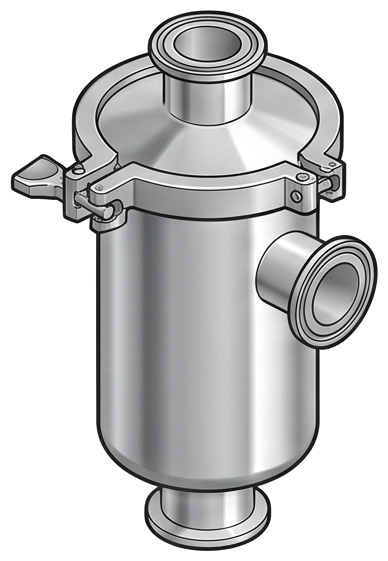
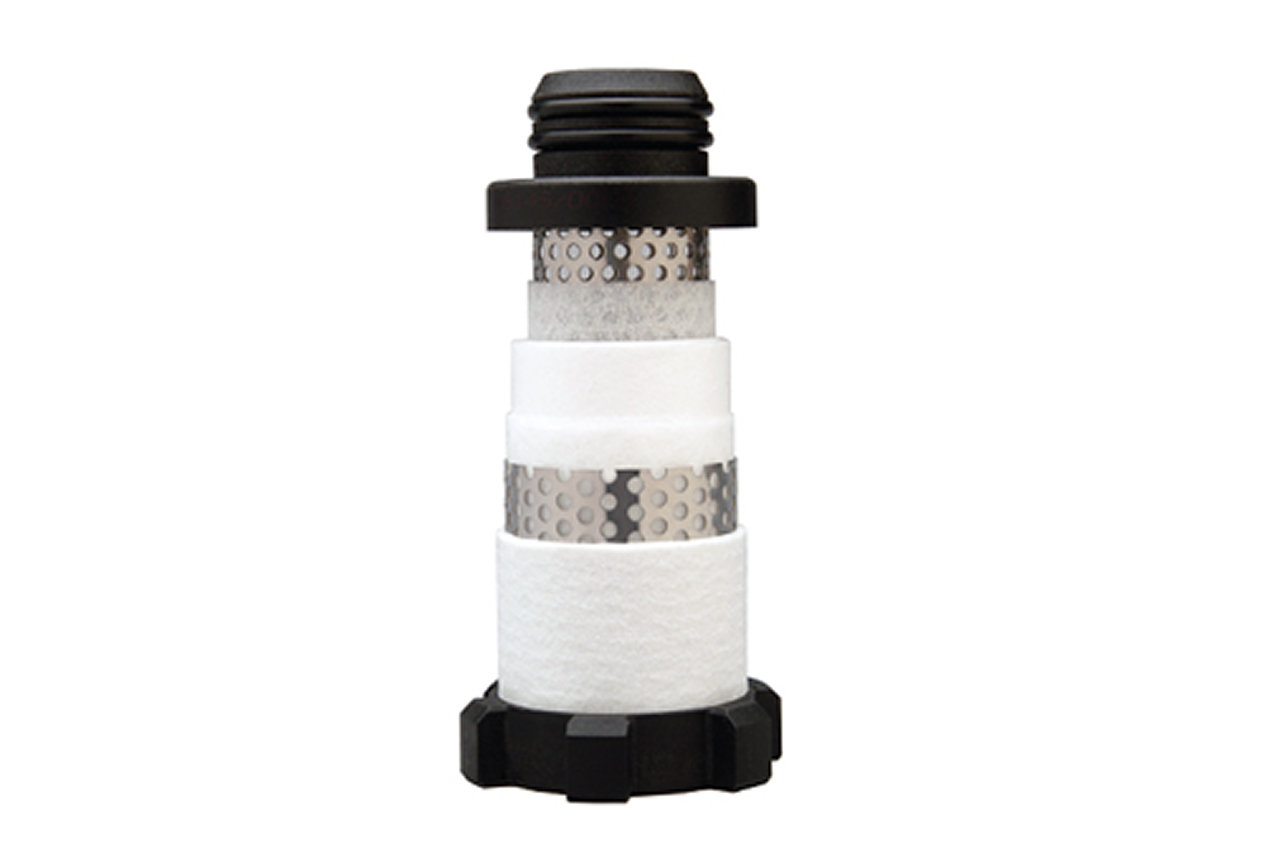
Pictorial Representative medical / sterile filter
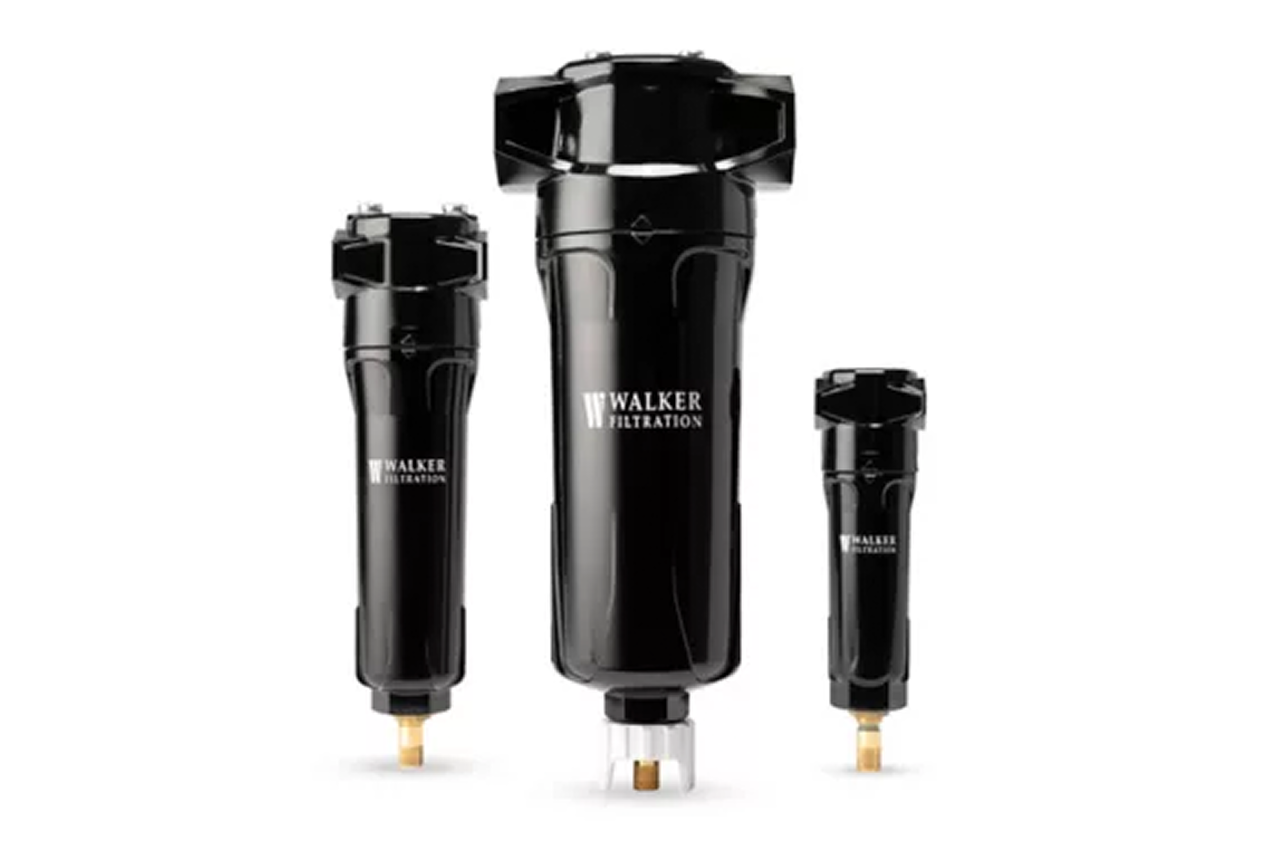
Medical / Sterile Filter — representative illustration
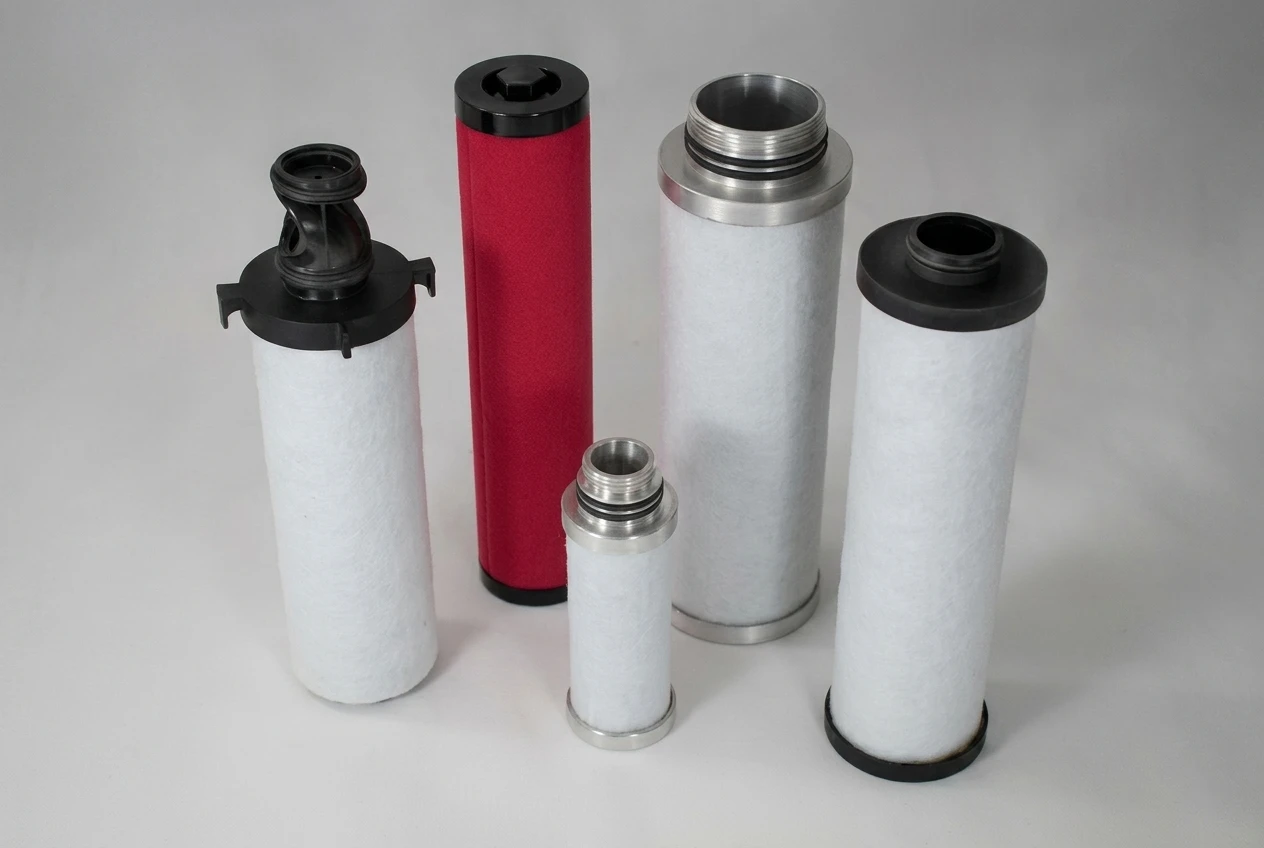
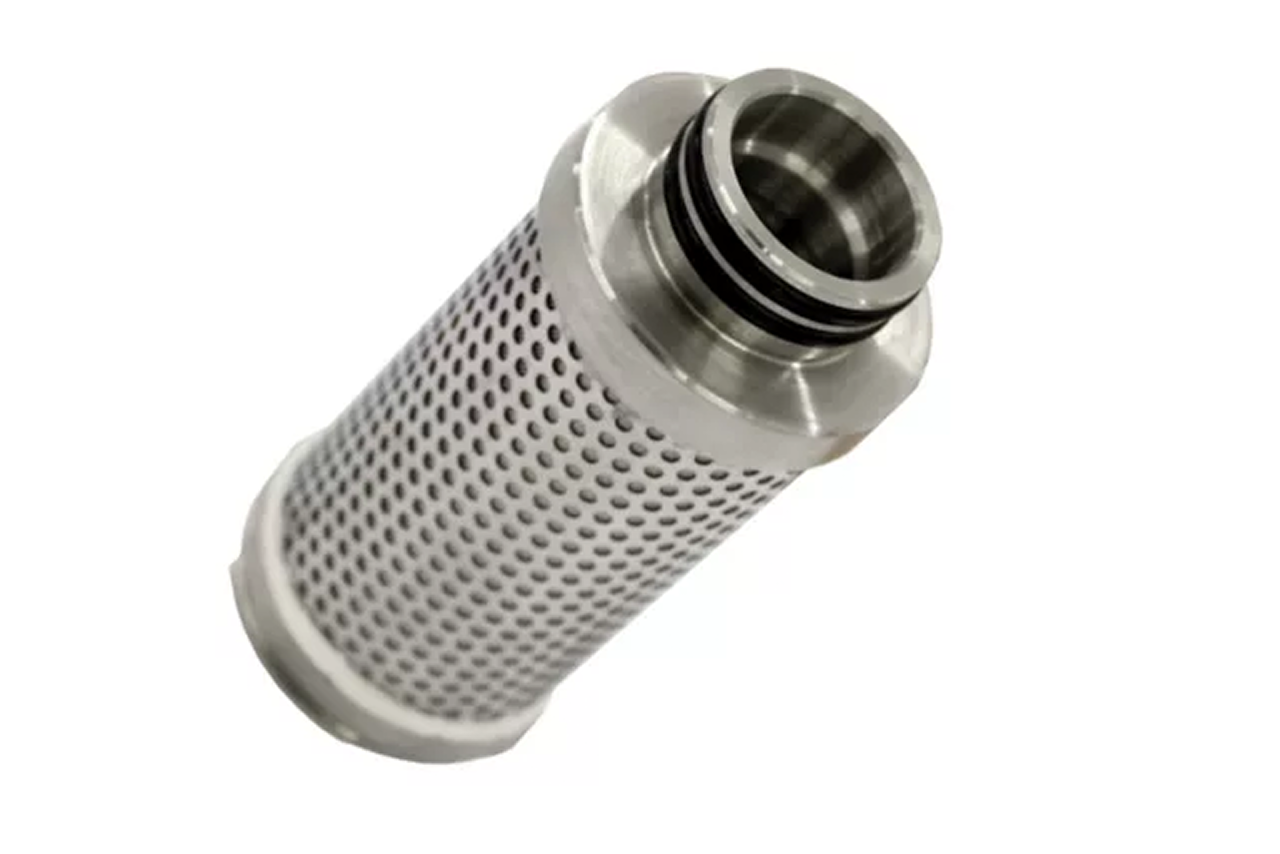
Real-world reference Representative medical / sterile filter
Medical / Sterile Filter — representative product photo
Why it's needed

Why this matters.

The code-driven final stage for medical-air, and where it does NOT apply. Review the points below.

01 · Key point
It removes live microorganisms.

Industrial filtration removes oil, water, particulate, none of it addresses bacteria. Sterile-grade media delivers air free of viable organisms, the only stage that closes the bioburden gap on a medical-air outlet.

02 · Key point
It carries the NFPA 99 mandate.

NFPA 99 (binding in every US hospital) requires a sterile filter at the medical-air outlet plus continuous CO/CO2 monitoring. No alternative product satisfies this code requirement.

03 · Key point
It re-sterilizes in place.

Element and housing are validated for 100+ steam-sterilization cycles at ~248°F / 120°C. Biomed runs the cycle on schedule rather than swapping the element, the feature that distinguishes a sterile filter from any other 0.01 micron stage.

04 · Pro tip
Quote the package, not the filter.

Sterile filter + CO/CO2 monitor + alarm panel + dedicated medical-air compressor + gas-specific pin-indexed outlets. Element life: 12 months OR ~100 cycles OR 10-15 PSI DP, whichever first. Distributors quoting the filter alone leave the margin on the table.

05 · Where not to use
Without the upstream train.

Sterile media fed dirty or wet air blinds in days. → Add upstream particulate + coalescing + activated-carbon in full sequence. Skipping any stage breaks NFPA 99 compliance and shortens sterile life by orders of magnitude.

06 · Where not to use
Industrial OSHA Grade D breathing air.

SCBA, supplied-air respirator, and dive-station air are governed by different specs. → Spec coalescing + activated-carbon + CO monitor for industrial breathing-air; medical-sterile is the wrong product and the customer pays for compliance they don't need.

07 · Where not to use
Wrong gas service.

Medical compressed-air sterile is distinct from medical-OXYGEN sterile (oxygen-clean to ASTM G93) and medical-vacuum sterile. → Match the housing to the gas service on the data plate before install; not interchangeable, regardless of fit.

Key selection criteria

What we need to spec it right.

From the machine spec sheet to the part number. Answer what you know, leave the rest blank, and send.

04Choose your priority  ·  core differentiator

Whatever your lever — performance, value, or price — SPC has the right brand.

Pick the priority; the quote desk handles the cross-reference.

01 Performance 1 brand
Install · 8 critical steps

The things that matter on the first install.

Step 01
Verify the full upstream filter train is in place
Sterile filter must be the LAST stage of a complete medical-air train: particulate (5 micron) → coalescing (0.01 micron) → activated carbon → sterile (this product). Skipping any upstream stage blinds the sterile element in days and breaks NFPA 99 compliance. Pull the existing system drawing and verify every stage before installing the sterile filter.
Step 02
Confirm the medical-air compressor source
NFPA 99 requires medical-air be sourced from a dedicated medical-air compressor (oil-free or oil-lubricated with full filtration), not from the general plant air system. Customers retrofitting a hospital sometimes try to tap medical-air off plant air, refuse the install and quote a dedicated compressor.
Step 03
Match housing to gas service
Medical compressed-air sterile filter is distinct from medical oxygen sterile filter and from medical vacuum sterile filter. Confirm gas service against the housing data plate before install. Industry Leader tier covers all three gas services but they are NOT interchangeable, oxygen-service housings have specific cleaning standards (oxygen-clean to ASTM G93) that air-service housings don't.
Step 04
Install with mounting orientation per manufacturer drawing
Sterile housings typically install vertically with the inlet at the bottom; this allows condensate (if any reaches the housing) to drain back into the upstream coalescing rather than collecting at the element. Manufacturer drawings show orientation; follow them strictly for NFPA 99 compliance documentation.
Step 05
Plumb the steam-sterilization line
Sterile elements require periodic in-place sterilization with steam at ~248°F / 120°C for the validated duration (typically 30 minutes). The housing has dedicated steam-in and steam-out connections; plumb to the hospital's steam supply via a normally-closed isolation valve. Biomed team operates the sterilization cycle on schedule (typically quarterly to annually).
Step 06
Install CO/CO2 monitoring and alarm panel
NFPA 99 mandates continuous CO and CO2 monitoring at the medical-air outlet, with audible/visible alarms at the medical-gas alarm panel. Quote and install as part of the same project; sterile-filter-only installs that skip the monitoring fail NFPA 99 inspection.
Step 07
Document everything at commissioning
NFPA 99 compliance documentation: filter brand and model, validated cycle count, installation date, upstream filter train confirmation, CO/CO2 sensor calibration certificates, alarm test records, sterilization-procedure SOP. Industry Leader tier elements ship with a test certificate; file it in the hospital's medical-gas binder.
Step 08
Set the maintenance cadence with biomed
Element replacement: annual OR validated cycle count OR DP-based (10-15 PSI), whichever first. Sterilization cycle: per hospital infection-control protocol. CO/CO2 sensor calibration: every 12-24 months per OEM spec. Brief biomed on the full cadence at install; inspections review the maintenance log directly.
Troubleshoot · top failures

Most returns trace to one of these causes.

Symptom
Most likely cause
Fix
Medical-air outlet fails NFPA 99 inspection on bioburden test
Sterile element past cycle count or calendar life (most common), failing upstream filtration letting contaminants reach the sterile bed, in-place sterilization protocol not being executed on schedule, or distribution piping downstream of the sterile filter is contaminated.
Replace the sterile element regardless of appearance, bioburden failure means the media is past compliance. Verify upstream train (particulate, coalescing, carbon) is current. Pull the sterilization log and verify protocol is followed. Sample downstream piping; if contaminated, the piping itself may need sterilization or replacement.
CO or CO2 alarm at the medical-air alarm panel
CO is typically intake-air contamination, compressor intake located near loading dock, generator exhaust, vehicle traffic, or fuel-burning equipment. CO2 is typically intake or process-source contamination. Sensor calibration drift can also trigger false alarms.
Verify sensor calibration first (most common false-alarm source). If sensor is good and alarm persists, source-trace the contamination, relocate compressor intake, install a dedicated intake duct, or, for CO, add an upstream CO-removal catalyst stage. Document in the medical-gas binder; NFPA inspectors will ask about resolution history.
Differential pressure across sterile filter rising fast
Upstream filter failure, coalescing or carbon element past life letting particulate or oil bypass into the sterile stage (most common). Less commonly: bulk water carryover from a dryer failure flooding the sterile element. Rarely: media damage from over-aggressive sterilization (steam temperature too high or duration too long).
Diagnose upstream, replace coalescing, carbon, and particulate elements in sequence; verify dryer dewpoint. Replace sterile element. Verify sterilization protocol against manufacturer's validated parameters.
Element fails integrity test after sterilization cycle
Element near end of validated cycle count (replace), media damage from sterilization protocol deviation (too hot, too long, dried wrong), or housing seal failure causing bypass during pressure-decay test.
Replace element. Review sterilization SOP and verify it matches manufacturer's validated protocol; common deviations are over-temperature steam and inadequate drying. Inspect housing seals; replace if hardened or cracked.
Customer wants to extend element life beyond stated cycle count to "save money"
Misunderstanding of NFPA 99 compliance. The validated cycle count is the manufacturer's sterility guarantee; running past it voids validation and creates inspection exposure.
Educate the customer, biomed compliance is not a cost-savings target. Show the inspection consequence and the patient-safety implication. Most biomed engineers, once briefed, default to conservative replacement intervals.
Housing leaking around connections after multiple sterilization cycles
Thread seal degradation from temperature cycling (PTFE tape doesn't survive many steam cycles), housing gasket compression set from repeated high-temp exposure, or material fatigue at threaded fittings.
Replace thread sealants with high-temperature-rated medical-gas-compatible sealant (NOT general PTFE tape). Replace housing gaskets. On housings with fatigue cracks at connections, replace the housing, patching pressure vessels is a regulatory violation.

Get the right medical / sterile filter on quote in 24 hours.

Send us the application — a specialist routes you to the correct tier with a configured part. Lead-times and pricing returned within one business day.

Open quote engine ↑