DISTRIBUTOR-FIRST SUPPLY PARTNER · SINCE 1999 Live · Pneumatic Automation System

SPC Company
Pneumatic Automation / Distribution & Conveyance / Tubing / Polyurethane (PU) Tubing
Layer 02 · Distribution & Conveyance Value · Sang-A Price · Polyconn
What it is

Polyurethane (PU) Tubing

Compare tiers ↓

Polyurethane (PU) tubing is the highest-volume pneumatic tube in the SPC catalog, the default flexible polymer for general plant air, and the only right answer for constant-flex applications like robotics and tool drops. Two decisions get the right one on the truck: durometer matched to motion (soft 95A for flex, firm 98A for static), and OD matched to the fitting. PU's hard limits are chemistry, heat, and UV, when any of the three is in play, the spec belongs to PA12 nylon or FEP.
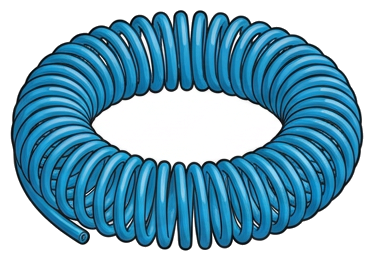
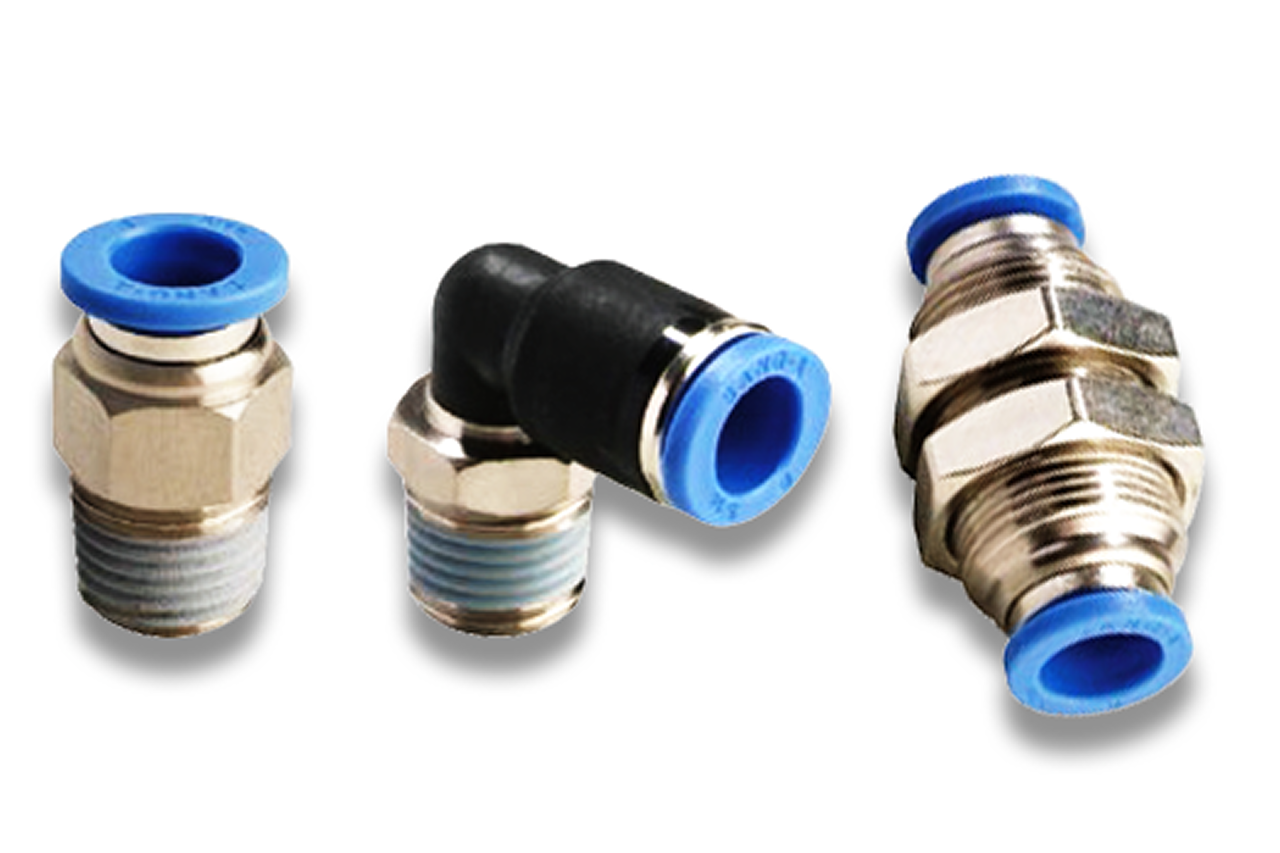
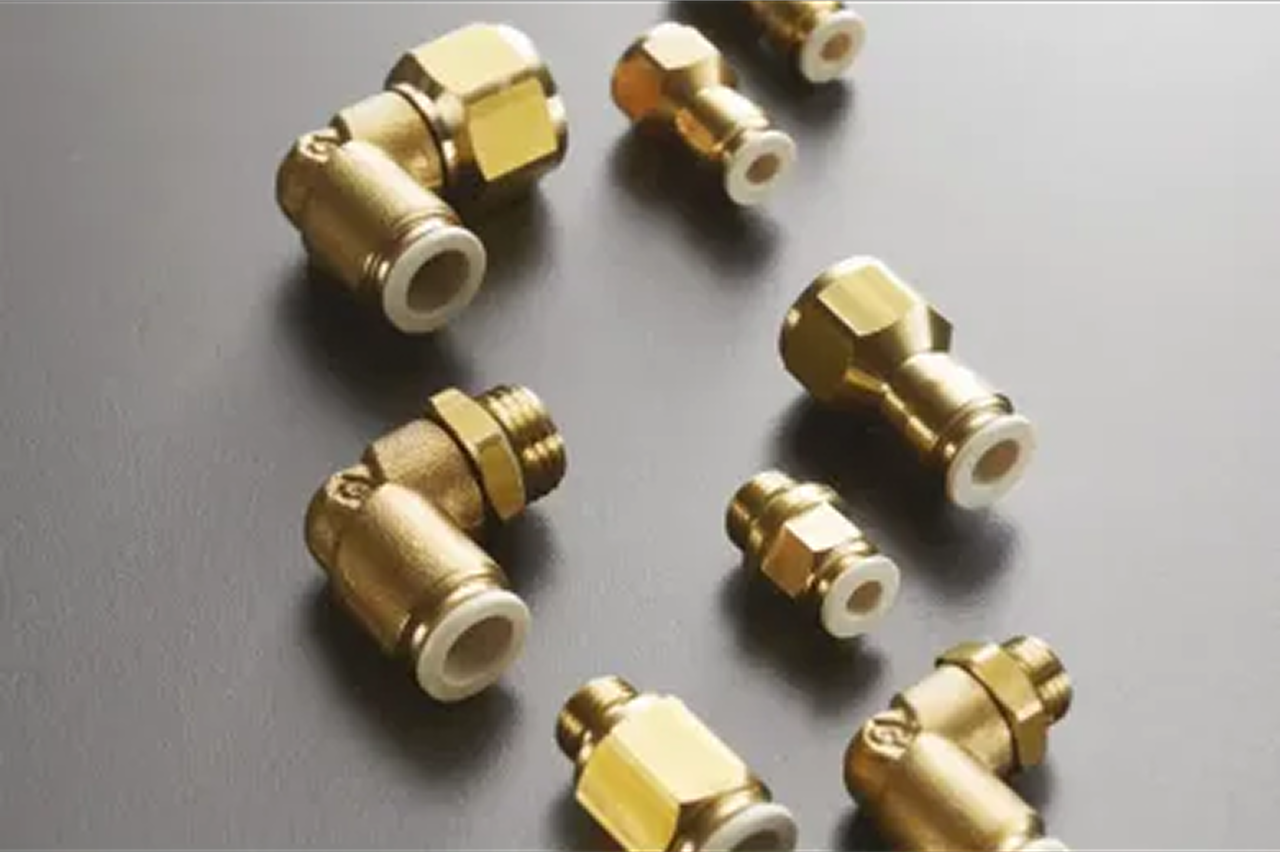
Pictorial Representative polyurethane (pu) tubing
Polyurethane (PU) Tubing — representative illustration
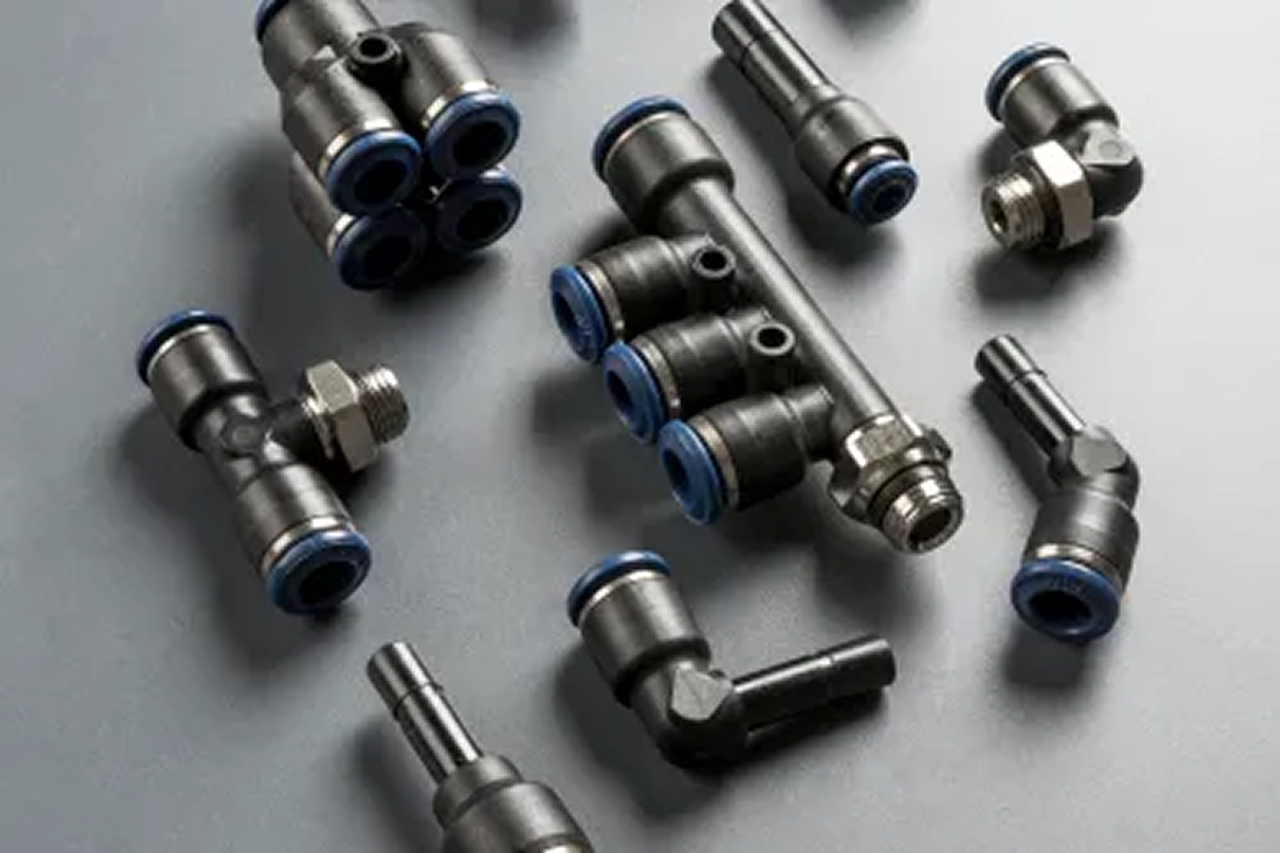
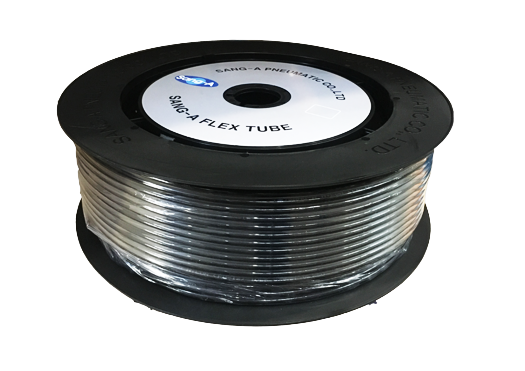
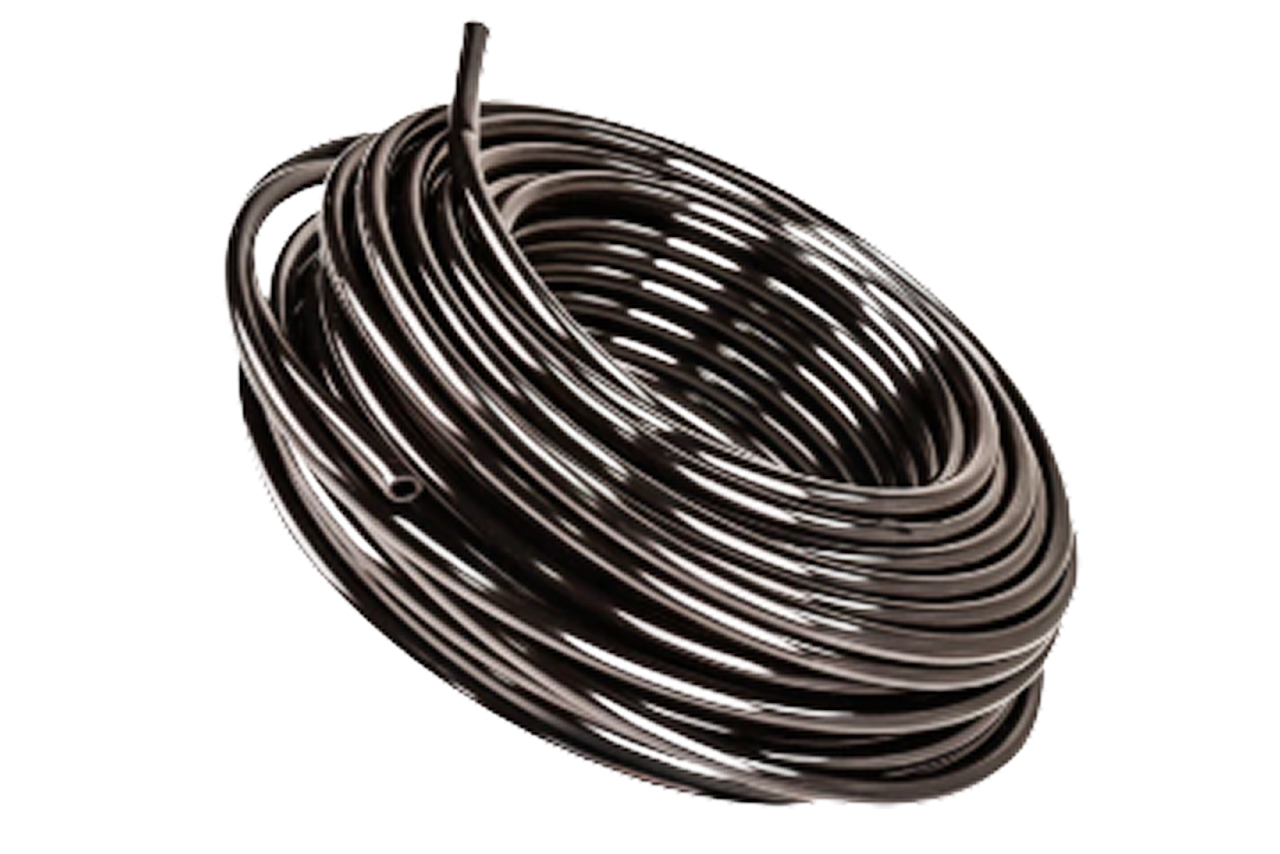
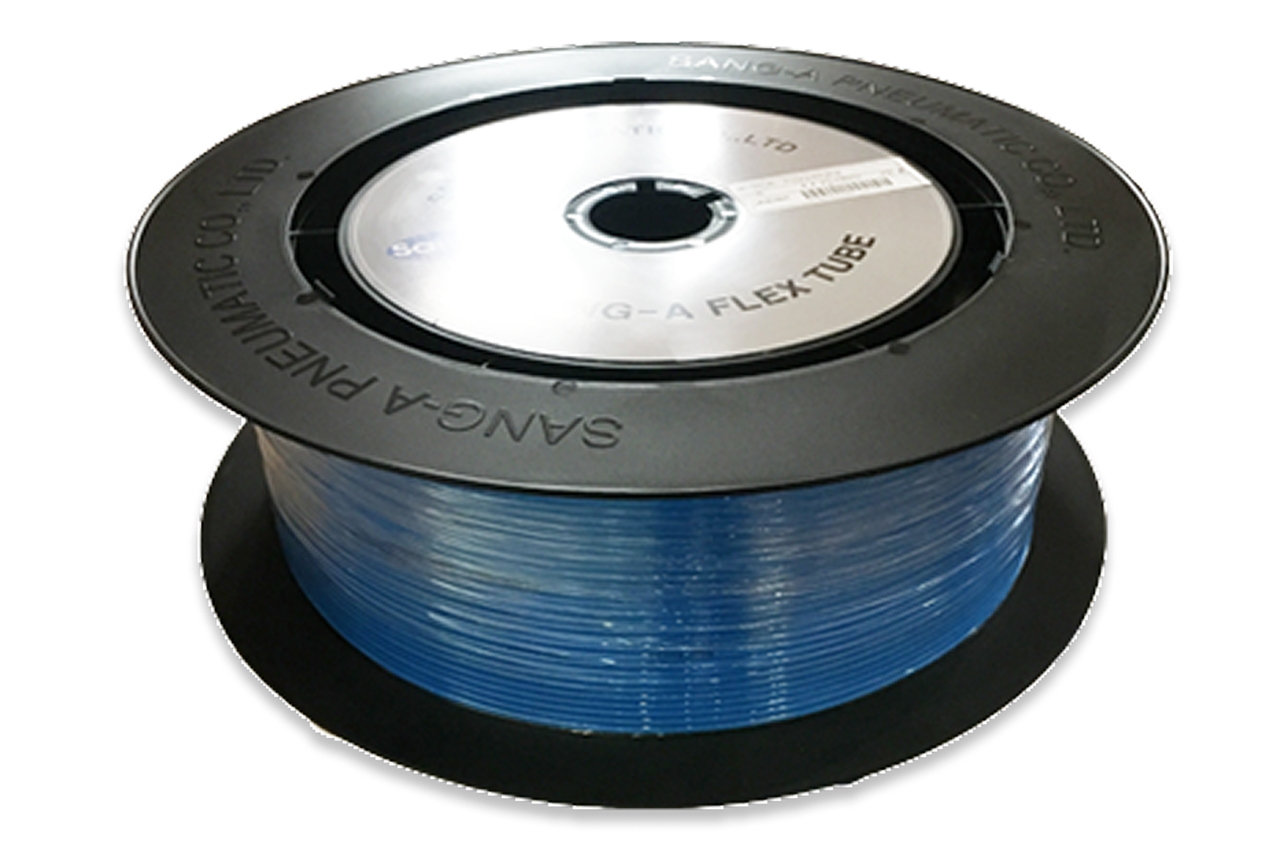
Real-world reference Representative polyurethane (pu) tubing
Polyurethane (PU) Tubing — representative product photo
Why it's needed

Why this matters.

When PU is the right call, and when to spec something else. Review the points below.

01 · Key point
It lasts under flex.

Elastomer-block-copolymer structure recovers its bend radius without micro-cracking, millions of cycles at proper radius under pressure. The polymer for robot wrists, end-effectors, tool drops.

02 · Key point
It fits tight runs.

3–4× OD bend radius on soft 95A, the tightest of any common tubing polymer. Behind panels, around servos, through cable trays where nothing else will follow.

03 · Key point
It seals first try.

Soft polymer compresses cleanly into PTC collet seals, the most forgiving tubing for push-to-connect. Cut square, push home, pressure up, done.

04 · Pro tip
Match durometer to motion.

Soft 95A for constant flex, robots, tool drops, balancer lines. Firm 98A for static and routed runs, general plant, FRL-to-valve, machine routes.

05 · Where not to use
Oil, coolant, solvent exposure.

Hydrocarbons swell PU and stress-crack the polymer. → Re-spec to PA12 nylon any time the run sees cutting fluid, lube mist, or chemical contact.

06 · Where not to use
Sustained heat above 150°F.

PU softens below working strength as temperature climbs. → Re-spec to PA12 for elevated ambient, or FEP for steam-line proximity and hot-process zones.

07 · Where not to use
UV / outdoor / ozone exposure.

Unstabilized PU embrittles within months of sunlight. → UV-stabilized PU for short outdoor; PA12 for indefinite outdoor or ozone-prone equipment rooms.

Key selection criteria

What we need to spec it right.

From the machine spec sheet to the part number. Answer what you know, leave the rest blank, and send.

04Choose your priority  ·  core differentiator

Whatever your lever — performance, value, or price — SPC has the right brand.

Pick the priority; the quote desk handles the cross-reference.

02 Value 1 brand
03 Price 1 brand
Where it's used

Industries served.

Each industry below uses this product across the listed areas. Open an industry to see how it fits the rest of its system.
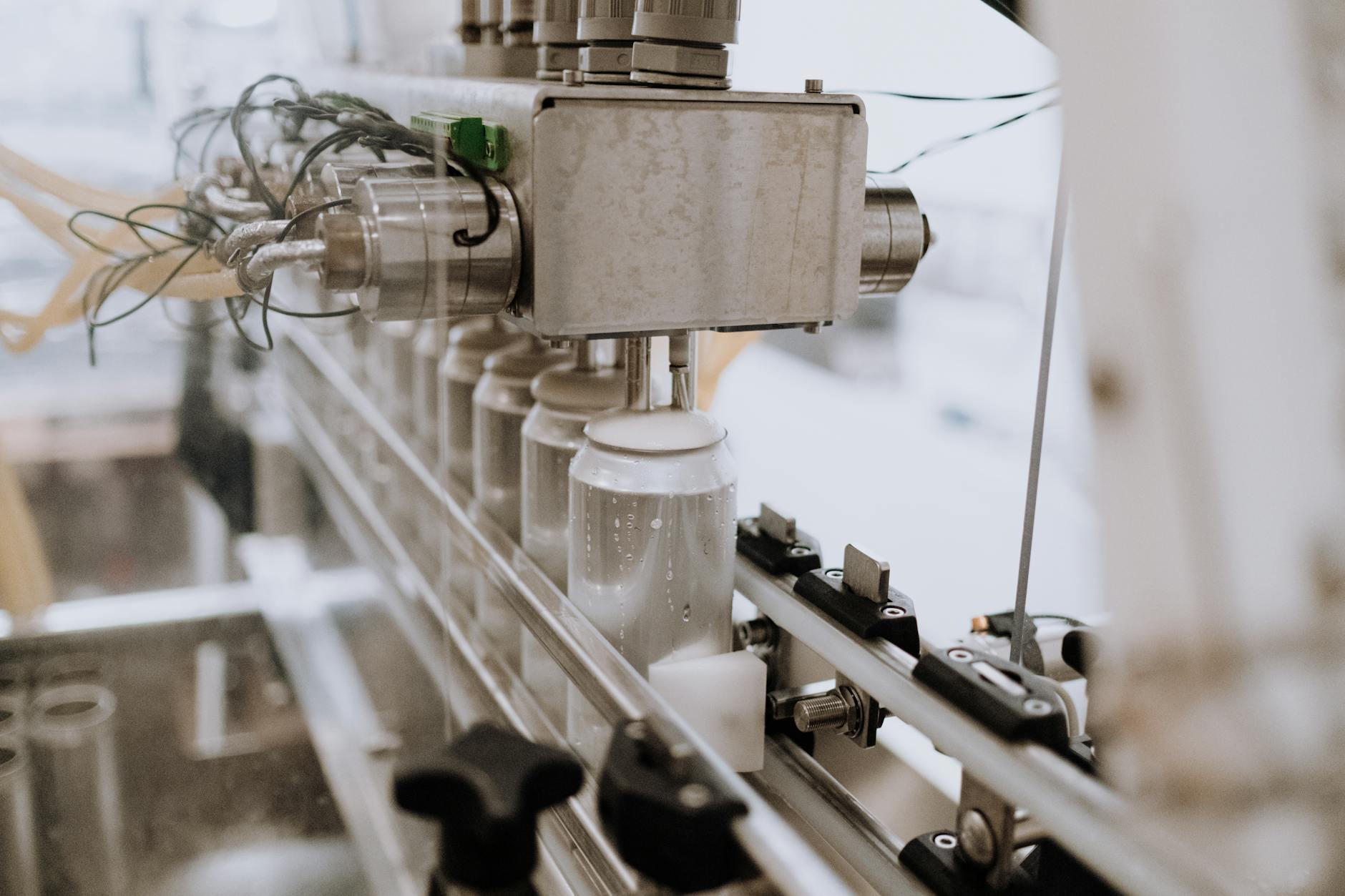
Also applies to Robotics and automation end-effector circuits · Pneumatic hand-tool drops and balancer lines · Soft PU or coiled PU is correct · 98A firm PU at 6mm or 1/4" OD in blue is the deepest-stock configuration. · Pneumatic automation cells, machine OEM builds, integration projects · Multi-circuit drops and cable-management applications · Pneumatic instrument panels and control cabinets · Vacuum-system and pickup-circuit plumbing · Black PU is the convention · Hand-tool blow-off, point-of-use air, operator-station drops

Install · 8 critical steps

The things that matter on the first install.

Step 01
Cut the tube square with a dedicated cutter and inspect
Use a sharp tube cutter, not a utility knife. Cut face perpendicular to the axis within 1-2°. PU's soft polymer takes a clean cut readily but deforms under side-cutters. Re-cut if angled or torn.
Step 02
Confirm fitting compatibility and match OD precisely
Most PTC fittings (composite, technopolymer, metallic-brass) are PU-compatible; the soft polymer is gripped well by standard collet designs. Verify metric tubing into metric fittings (or inch into inch). 6mm and 1/4" are close but not identical. For coiled/self-storing, end fittings are often barbed-and-clamped or threaded rather than PTC.
Step 03
Mark insertion depth and push fully home
Insertion depth typically 12-22mm depending on OD. Mark with permanent marker. Push straight until bottom; PU is forgiving on insertion angle but bottom-seating is required for proper O-ring sealing. Pull back gently to confirm collet grip.
Step 04
Set bend radius generously, especially for constant-flex
Minimum radius 3-4x OD for 95A, 5-6x OD for 98A. For dynamic applications, use at least 2x the published minimum to maximize fatigue life. Sweep bends; install elbow PTC at corners rather than forcing a tight angle. Provide slack at the moving end so the tube doesn't go straight under cylinder extension, straight tubing in a flex application work-hardens at the entry point and fails there first.
Step 05
Pressurize and soap-test every joint
PU is the most forgiving polymer for PTC sealing. Most PU leaks resolve on a clean re-seat.
Step 06
Support static runs and protect dynamic runs
Static: P-clips or tube clips every 18-30 inches. Dynamic: support at the fixed end only; the moving end needs free flex with strain relief or service loop at the entry point. Install grommets or spiral-wrap at abrasion points.
Step 07
Protect against sunlight, ozone, and chemical exposure
Standard PU not UV-stable; outdoor runs need UV-stabilized PU or a conduit sleeve. For oil/coolant-prone locations, do not install PU: re-spec to PA12.
Step 08
Label and document
Mark every circuit with adhesive labels or color bands. Record install date, OD/color, durometer, fitting line, circuit ID. Multi-bore drops label each bore separately. Documentation prevents the next maintenance team from cutting in PE or PA12 where PU is required.
Troubleshoot · top failures

Most returns trace to one of these causes.

Symptom
Most likely cause
Fix
PU cracked at the bend on a robot end-effector or hand-tool drop after weeks-to-months.
Wrong durometer (98A firm where 95A soft was needed), bend radius tighter than polymer minimum (work-hardening at the constant-flex point), insufficient slack at the moving end, or polymer degradation from oil-mist or solvent exposure.
For constant-flex, switch to soft 95A PU at the same OD. Verify bend radius is at least 2x the published minimum on dynamic runs. Add a service loop at the moving end. If chemistry exposure is present, the polymer is wrong, switch to PA12 for oil/coolant or FEP for solvent.
PU collapsed or kinked at a tight bend forced during install.
Bend radius forced tighter than minimum, typically because the installer fought the tube around a corner with no support.
Cut out the kinked section. Use a 90° PTC elbow at the corner rather than bending the tube. If bending is required, sweep gradually with a curved support.
PU leaking at a PTC fitting immediately after install.
Short insertion depth, cut face damaged or angled, or wrong fitting collet size for the actual tube OD.
Depressurize, withdraw, inspect. Re-cut square, mark insertion depth, push to flush. PU is the most forgiving for PTC sealing, leaks that persist after clean re-cut and re-seat point to fitting OD mismatch.
PU gone soft, swollen, or sticky near a coolant tank or solvent station.
Chemical attack from oil, cutting fluid, or hydrocarbon solvent. PU absorbs the chemistry, loses tensile, swells out of fitting tolerance, fails.
Polymer-mismatch problem, no PU spec resolves it. Replace with PA12 (for oil/coolant) or FEP (for solvent). Document the spec change in the customer's MRO. Re-polymer the full run from the chemistry source to the next isolation, including the visibly degraded section.
PU embrittled, yellowed, or cracked along an outdoor run after one season.
UV degradation of unstabilized PU. Urethane-bond chemistry breaks under sustained UV; ozone exposure (near electrical equipment) causes similar damage.
Replace with UV-stabilized PU (carbon-black-loaded), or for indefinite outdoor, re-spec to PA12. Conduit sleeving adds protection but doesn't solve the polymer mismatch.
Coiled/self-storing PU has lost its recoil and hangs limp.
Permanent set in the polymer from sustained stretching, thermal exposure past memory limits, or chemical exposure degrading elastic recovery.
Replace the coil. Specify by working length, OD, fitting configuration. If thermal exposure exceeded 150°F, the application is wrong for PU.

Get the right polyurethane (pu) tubing on quote in 24 hours.

Send us the application — a specialist routes you to the correct tier with a configured part. Lead-times and pricing returned within one business day.

Open quote engine ↑