DISTRIBUTOR-FIRST SUPPLY PARTNER · SINCE 1999 Live · Compressed Air System

SPC Company
Compressed Air / Treatment / Condensate Management / Zero-Air-Loss Condensate Drain
Layer 02 · Treatment Performance · KELTEC Value · BEKO
What it is

Zero-Air-Loss Condensate Drain

Compare tiers ↓

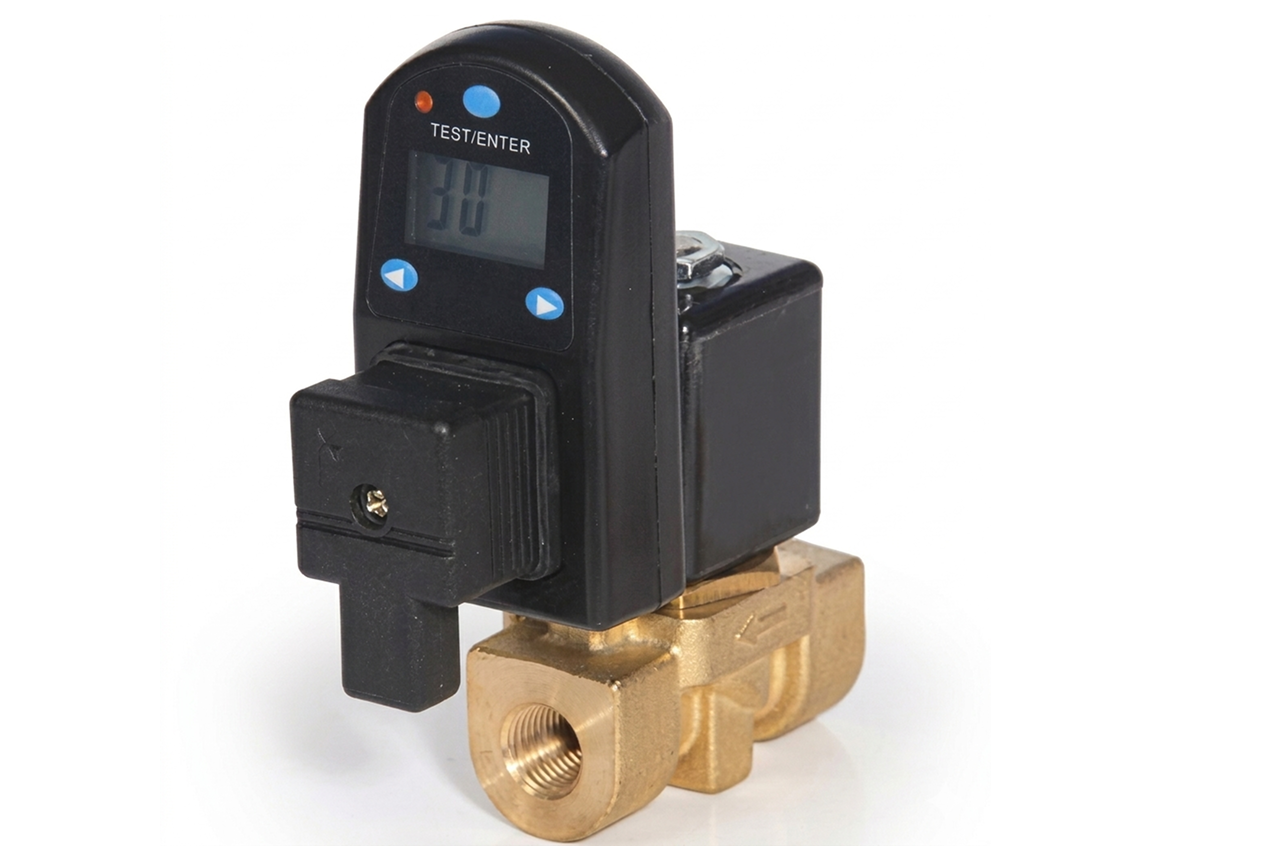
A zero-air-loss condensate drain is a powered drain that discharges only liquid condensate and never compressed air. It does the same job as any drain, clearing the water-and-oil mixture from a cool point in the system (aftercooler, receiver tank, refrigerated dryer, or filter sump), but the valve opens only when liquid is actually present, so no paid-for compressed air escapes with the discharge. It installs at the same one-per-cool-point footprint as a timer drain, between the component's low-point port and a routed discharge to an oil-water separator (OWS, the treatment unit that polishes oily condensate before sewer discharge). Two designs share this lane: an electronic level-controlled drain (a sensor opens the valve on real liquid) and a magnetic-float drain (a mechanical float trips the valve with no electricity at all). Selection between the two is handled on the category page.
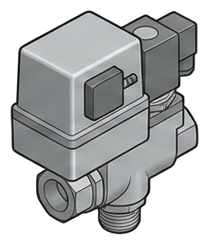
Pictorial Representative zero-air-loss condensate drain
Zero-Air-Loss Condensate Drain — representative illustration
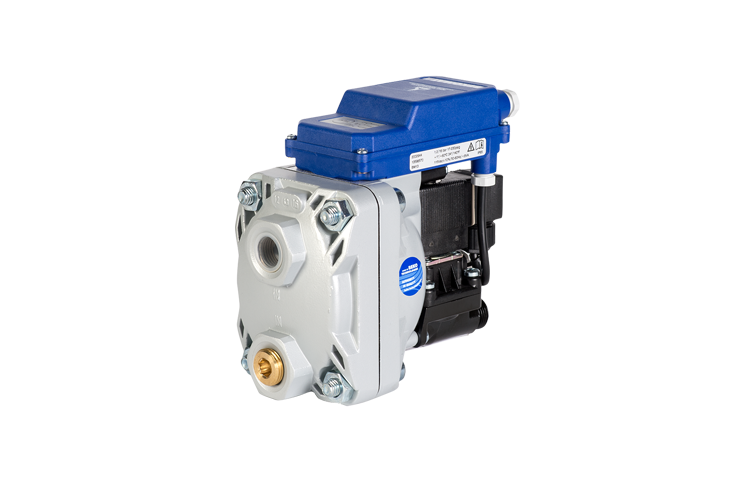
Real-world reference Representative zero-air-loss condensate drain
Zero-Air-Loss Condensate Drain — representative product photo
Why it's needed

Why this matters.

Where zero-air-loss earns its premium, and where a timer drain is still the right call. Review the points below.

01 · Key point
The valve opens only on real liquid.

Electronic level sensor or mechanical float, either way the valve fires only when condensate is actually present. Zero compressed air vents per cycle. Across 3-6 drains in a typical plant, that's 2-5% of compressor output the customer stops paying for.

02 · Key point
It auto-tracks the load.

Condensate swings hour-to-hour and season-to-season. A timer is a guess; zero-air-loss reacts to the real chamber level: clears fully under summer load, sits quiet at winter idle. No retune calls.

03 · Key point
Electronic models alarm before flood.

Industry Leader tier level-sensed drains carry a fault output: wire it to building management or a local annunciator and the customer learns about a failed drain before the dryer floods or the filter saturates. The cost-of-failure case sells itself in critical-process plants.

04 · Pro tip
Pick by power, not by preference.

Electronic level-sensed is the default, alarm output, oil-tolerant capacitive sensor, 24V DC at the install point. Magnetic-float when there's no power available, outdoor/remote, or harsh service where no-electronics-to-fail wins.

05 · Where not to use
Tiny-shop, low-volume particulate filters.

At single-compressor under-25-HP scale with steady ambient, the energy math doesn't justify the premium. → Re-spec to electronic timer drain at low-volume sumps; reserve zero-air-loss for dryer, aftercooler, large receiver.

06 · Where not to use
Outdoor freezing without freeze protection.

Both electronic and magnetic-float chambers freeze the same as any trap, frozen sensor reads false, frozen float won't rise. → Spec the heated-housing variant, or insulate + heat-trace the chamber and discharge line for sub-freezing service.

07 · Where not to use
Discharging straight to the floor drain.

Zero air loss doesn't change the oil content; the captured liquid still runs 300+ ppm oil from an oil-injected compressor. Sanitary-sewer discharge untreated is a regulated violation. → Add oil-water separator downstream; manifold all drains into one OWS inlet.

Key selection criteria

What we need to spec it right.

From the machine spec sheet to the part number. Answer what you know, leave the rest blank, and send.

04Choose your priority  ·  core differentiator

Whatever your lever — performance, value, or price — SPC has the right brand.

Pick the priority; the quote desk handles the cross-reference.

01 Performance 2 brands
02 Value 2 brands
Where it's used

Industries served.

Each industry below uses this product across the listed areas. Open an industry to see how it fits the rest of its system.

Also applies to Refrigerated dryer outlet · Compressor aftercooler discharge · Large receiver tanks (60+ gallon) · Remote / outdoor / generator-package compressors · magnetic-float is the standard answer · Critical-process plants where drain failure would shut production · Energy-efficiency upgrade projects · High-pressure compressors (above 232 PSI) · NOT typically used in

Install · 6 critical steps

The things that matter on the first install.

Step 01
Replace the existing timer drain one-for-one at the same install point
Inlet plumbing, discharge plumbing, and isolation valve carry over from the existing timer install. The zero-air-loss drain bolts up at the same flange or threaded connection. Removal of old plus install of new is typically a 30-minute job per drain point.
Step 02
Verify inlet pitch, gravity drain to the inlet, no rising sections
Same as any drain; condensate moves by gravity. Even an electronic level-sensed drain cannot pull liquid uphill. Inspect the inlet line at install; correct any rising-section plumbing before commissioning.
Step 03
For electronic drains, wire to the correct voltage and test the sensor at install
Level-sensed models typically run on 24V DC, with some 115V AC variants; confirm voltage at order time. After power-up, run the sensor self-test or inject a test fluid to verify level sensing works now, not the next time condensate accumulates.
Step 04
For magnetic-float drains, verify free float movement
Inspect the chamber for shipping debris. Tip the housing to confirm the float moves freely between low-level and high-level positions. A stuck float on day one means a non-functional drain on day one.
Step 05
Route discharge to an oil-water separator, not the floor drain
Condensate from oil-injected compressors is oily; sanitary-sewer discharge is prohibited in most US jurisdictions. The zero-air-loss drain doesn't change the oil content of the discharge, only the air content. The OWS is required for code compliance.
Step 06
Wire the alarm output to building management or a local annunciator (electronic only)
The alarm output is the electronic drain's differentiator vs. magnetic-float. Using it means the customer learns about a drain failure before the dryer floods or the filter saturates. Wire to whatever supervisory system the customer has, or to a local LED/buzzer panel if not.
Troubleshoot · top failures

Most returns trace to one of these causes.

Symptom
Most likely cause
Fix
Electronic drain shows liquid present but does not discharge.
Solenoid coil failed (no actuation), the discharge line is blocked, OR the controller has faulted.
Press the test button, if the valve actuates audibly, the issue is downstream (blocked or frozen discharge line). If there's no actuation, the coil failed, replace the coil service kit or the whole drain depending on model.
Magnetic-float drain is not discharging despite obvious condensate accumulation.
Float stuck in the low position from sludge or debris, OR the valve seat is fouled.
De-pressurize and isolate the inlet, open the chamber, inspect the float and the chamber walls. Clean both. If the valve seat is eroded or fouled, rebuild or replace, magnetic-float drains are field-serviceable on most leading-tier models.
Electronic drain alarm output is triggered.
Sensor coated with oil (reading false-high), level stuck high (drain failing to clear), excess condensate load, OR controller fault.
Read the alarm code (Industry Leader tier models code specific failure modes). Clean the sensor with the manufacturer-approved solvent. If the alarm clears, set a 6-month sensor inspection in the customer's MRO log. If it persists after cleaning, escalate to vendor service.
Magnetic-float drain leaks continuously through the discharge.
Float latch fouled in the open position, valve seat eroded, OR the float has taken on liquid and is not rising.
Isolate the inlet. Open the chamber, inspect the float and the latch. Replace a contaminated or damaged float; clean a sticky latch per service instructions; replace the seat or the drain assembly if the seat is eroded.
Customer reports air loss or hissing at a drain marketed as zero-air-loss.
The drain is malfunctioning (stuck open or not closing cleanly), OR there's an air leak from an adjacent line that the customer is attributing to the drain.
Inspect the drain at full system pressure. Listen with a stethoscope; if the drain hisses during a closed period, the valve seat or sensor is the issue. If the drain is silent and the hiss is from an adjacent line or fitting, locate that source separately.
Frozen drain in winter, discharge blocked.
Outdoor or unheated install with the discharge line exposed; an ice plug in the discharge.
Thaw and clear. For chronic winter operation, install the heated housing variant OR insulate and heat-trace the discharge line. Magnetic-float drains in below-freezing service need freeze protection too, the float chamber freezes the same as a sensor.

Get the right zero-air-loss condensate drain on quote in 24 hours.

Send us the application — a specialist routes you to the correct tier with a configured part. Lead-times and pricing returned within one business day.

Open quote engine ↑