DISTRIBUTOR-FIRST SUPPLY PARTNER · SINCE 1999 Live · Pneumatic Automation System

An FRL combination unit is a single assembly that combines all three air-preparation stages; Filter, Regulator, and Lubricator, in one integrated body with shared internal air passages and one set of pipe connections. It mounts on a machine's air inlet and delivers air that is clean, set to the right pressure, and lubricated where the equipment calls for it. A common sub-form drops the lubricator and combines just Filter and Regulator (F+R); the full three-stage build is the F+R+L. The combination format trades flexibility for cost and simplicity. Because the stages share one body, a combination unit is the economical, fast-to-install choice for a standard machine drop that needs one fixed air-prep configuration and is unlikely to change; it is the most common air-prep build in a plant. Its limit is the flip side of that integration: if a single stage needs a different filter grade, a second regulated pressure, or individual replacement, the whole unit is the unit of change. Where that flexibility matters, a modular train of standalone units is the alternative, that trade-off is decided at the category level. In the system the combination FRL sits at the machine inlet: downstream of the branch drop and its shutoff valve, upstream of the machine's directional valves and actuators.
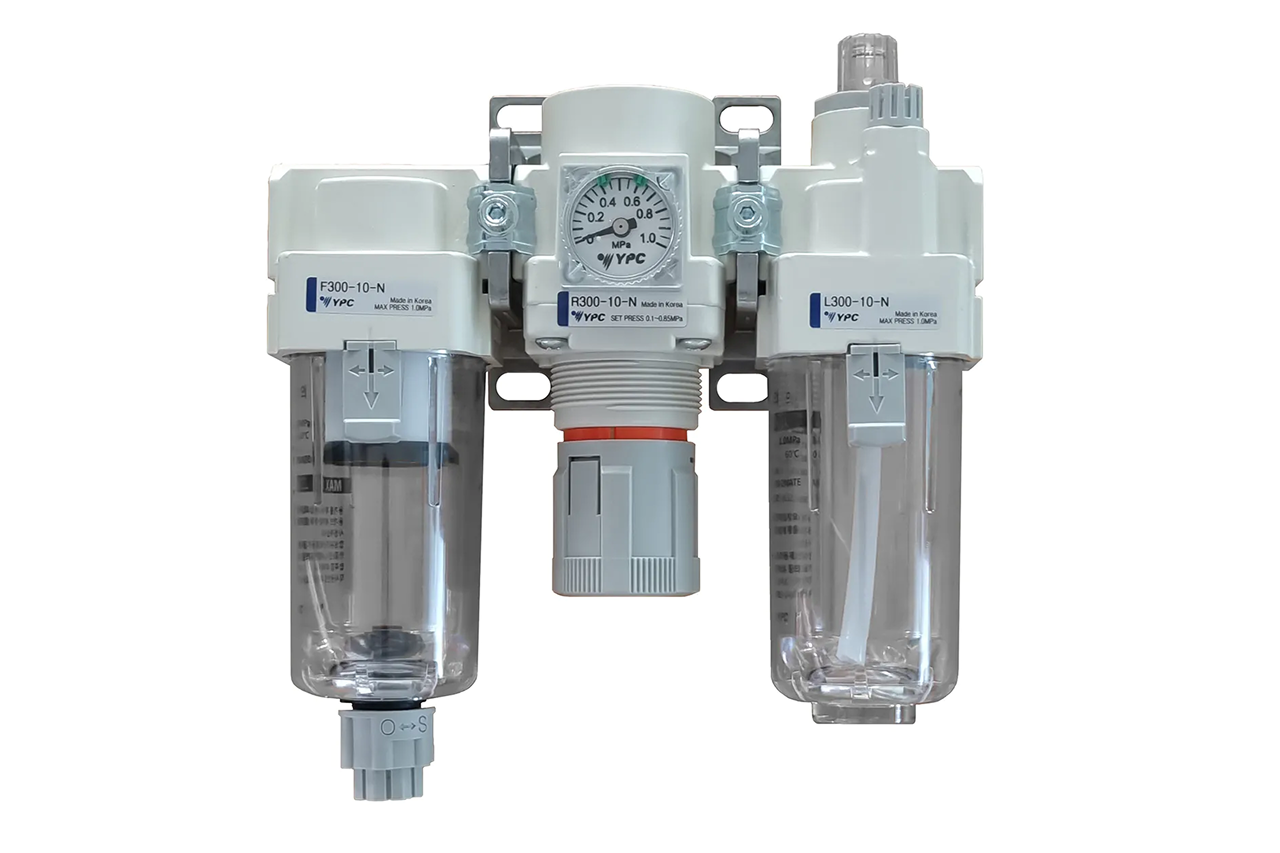
When a combination FRL is the right call, and when to split the stages or swap the build. Review the points below.
Filter, regulator, and (where called for) lubricator share one body, one set of pipe connections, and one mounting bracket, the cheapest, fastest-to-install air-prep build at the machine drop.
Central filtration can't fix what the air picks up on the run, rust, pipe scale, re-condensed moisture past the dryer. The FRL at the machine inlet is the last line of defense before valves and actuators see the air.
Plant header runs 100+ PSI to satisfy the highest-pressure consumer; most machines need 60–90. The FRL drops to spec and holds it, every PSI dropped saves ~0.5% compressor energy.
Undersized port = regulator droop under valve actuation; set to 90 PSI at idle, reads 70 PSI mid-cycle. Spec port to peak machine surge, max-inlet above worst-case compressor spike (150–250 PSI), metal bowl if synthetic oil.
Anything 2010+ runs on self-lubricating internals, added oil fouls sensors and contaminates product. → Re-spec to filter-regulator (F+R); the lubricator stage is the maintenance bill you'll be blamed for.
If filtration grade, regulator pressure, or service cadence must differ between stages, the shared body becomes a constraint. → Build a modular train from standalone filter + regulator + lubricator instead.
PAO synthetic compressor oils chemically attack polycarbonate: cracking under pressure is a real safety risk, not cosmetic. → Spec metal or stainless bowl on any plant running synthetic; audit the lubricant before quoting.
From the machine spec sheet to the part number. Answer what you know, leave the rest blank, and send.
Pick the priority; the quote desk handles the cross-reference.
Answer once. Pick every brand you want priced, and we quote each one on the same spec.
Each industry below uses this product across the listed areas. Open an industry to see how it fits the rest of its system.
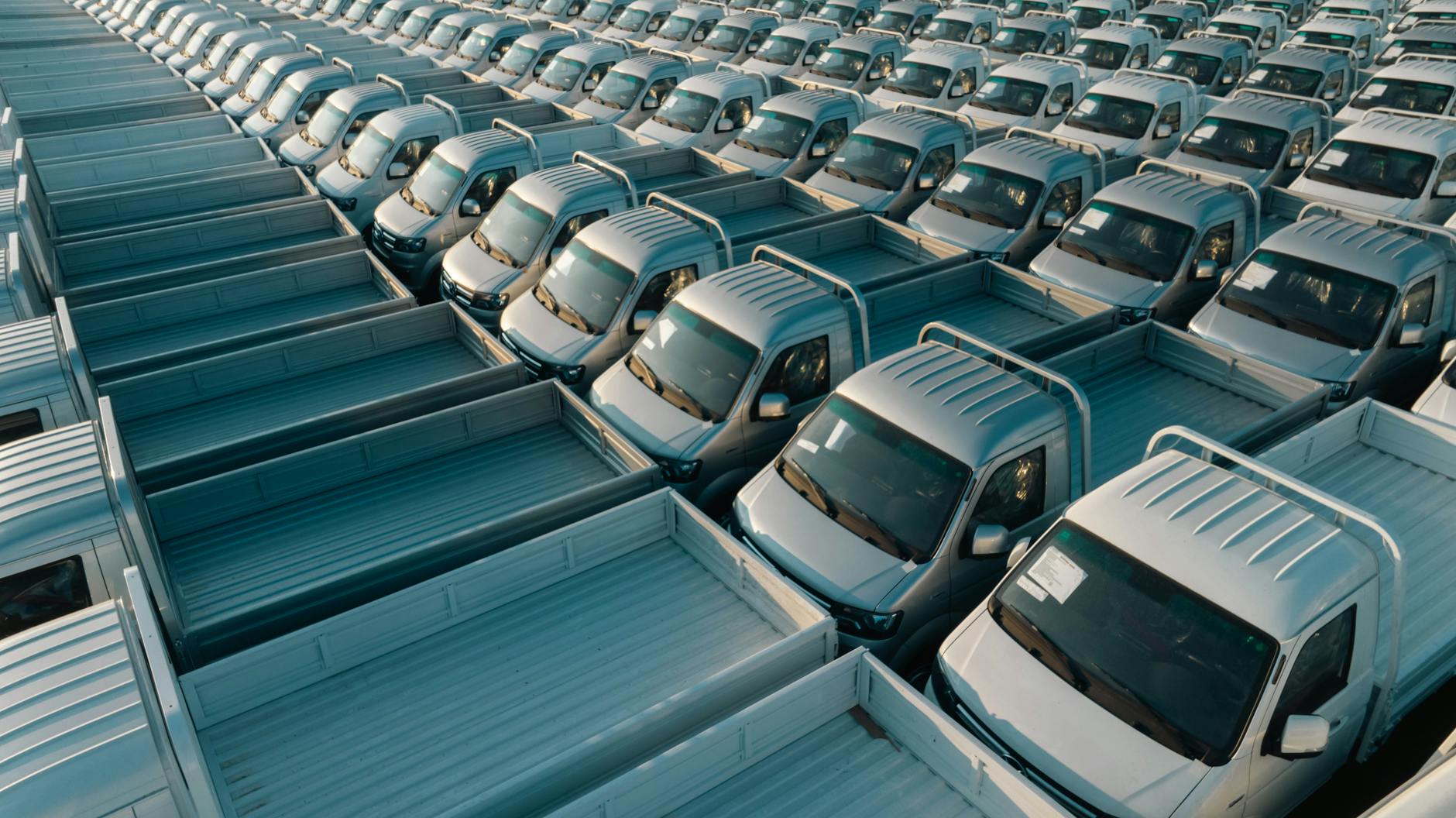 Automotive Manufacturing →
 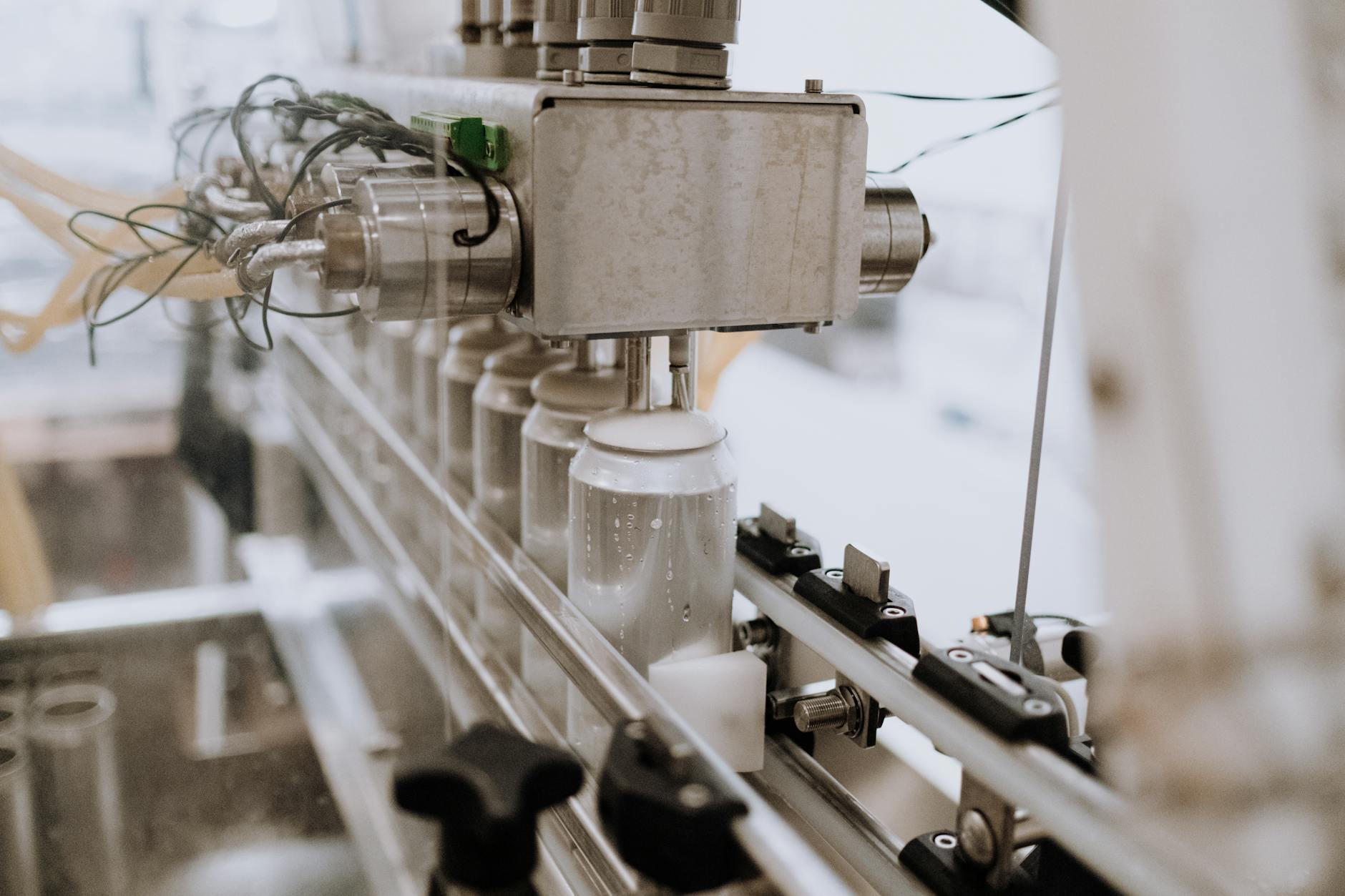 Food & Beverage Processing →
 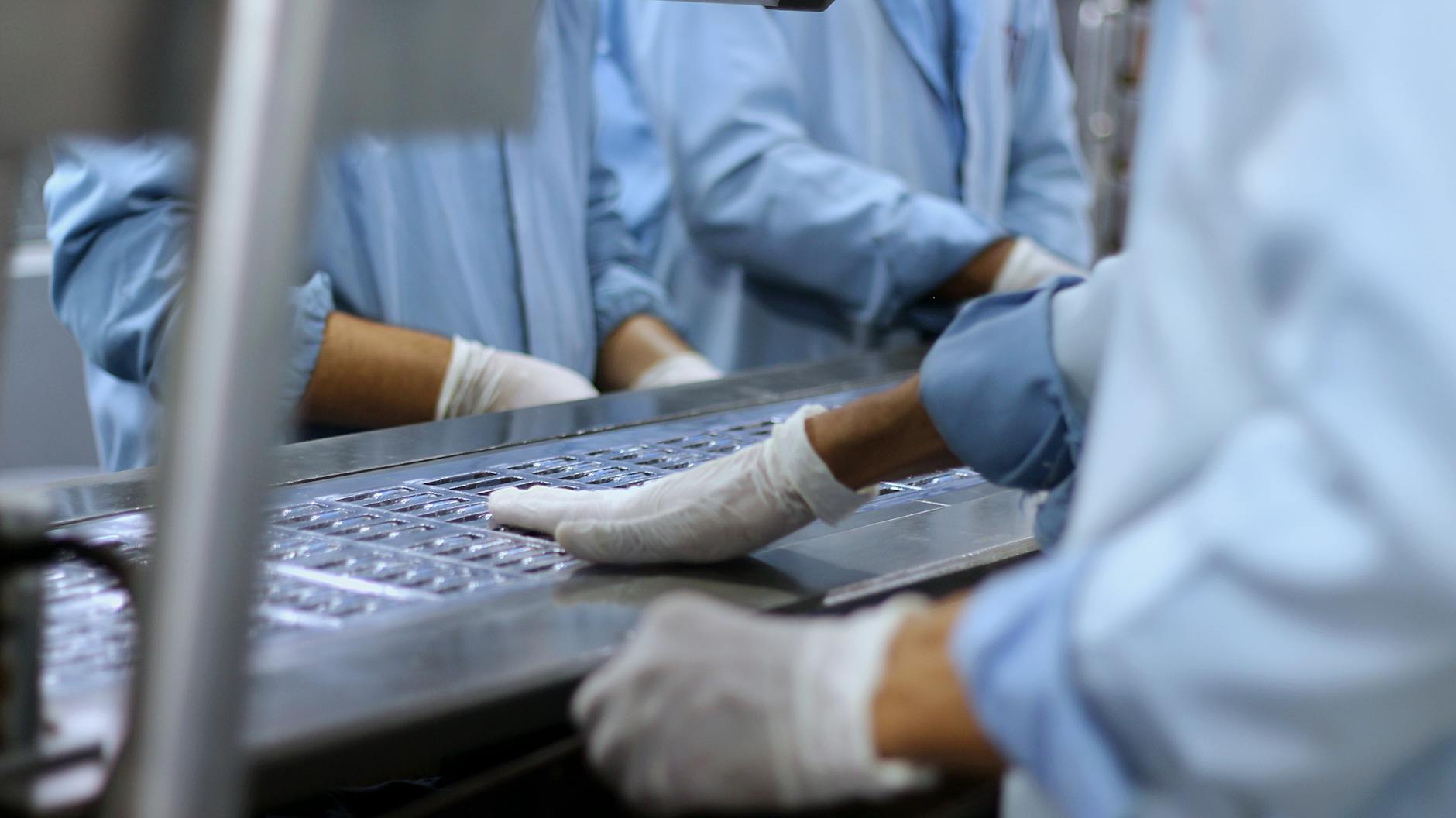 Pharmaceutical, Medical Device & Laboratory →
 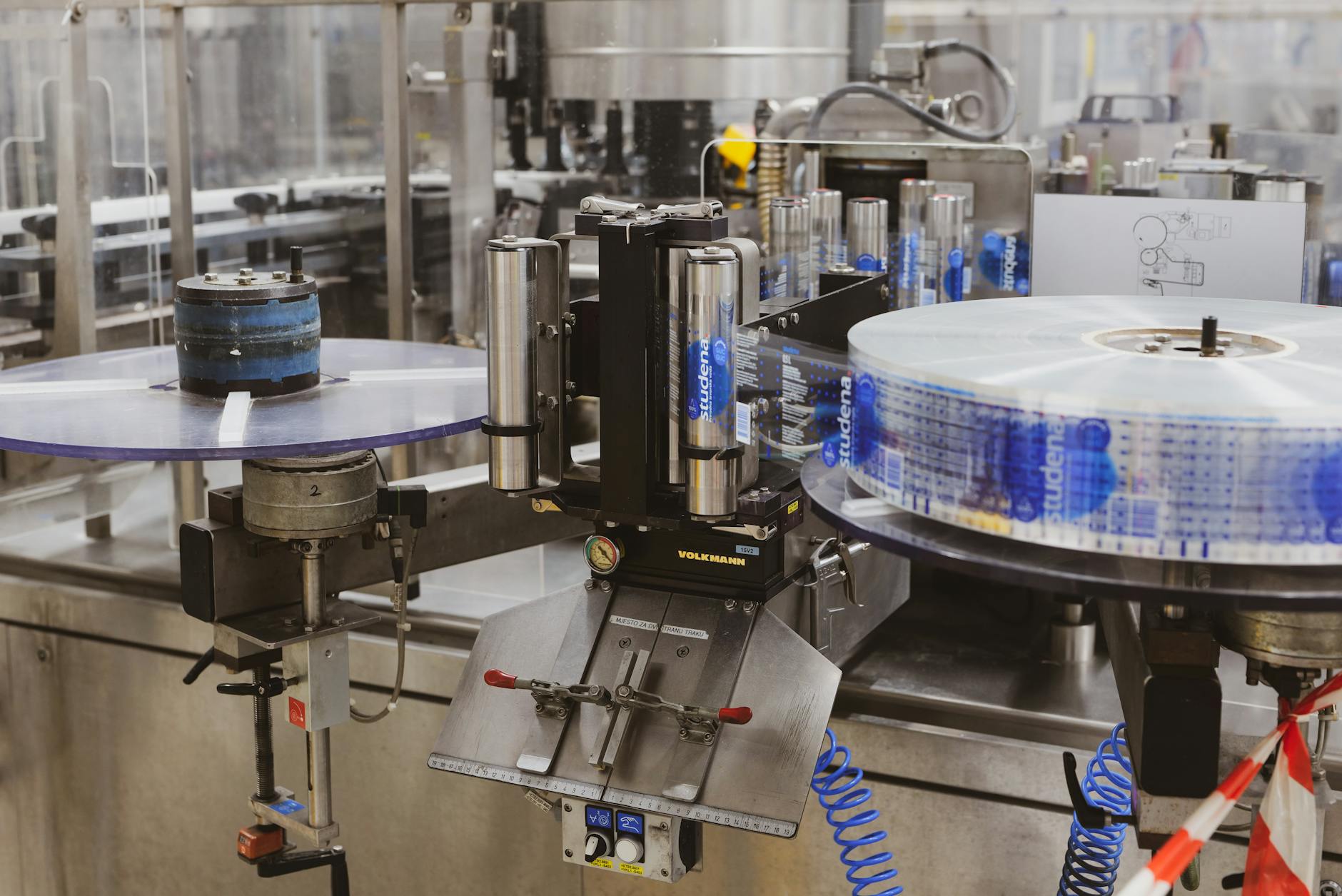 Packaging & Printing →
 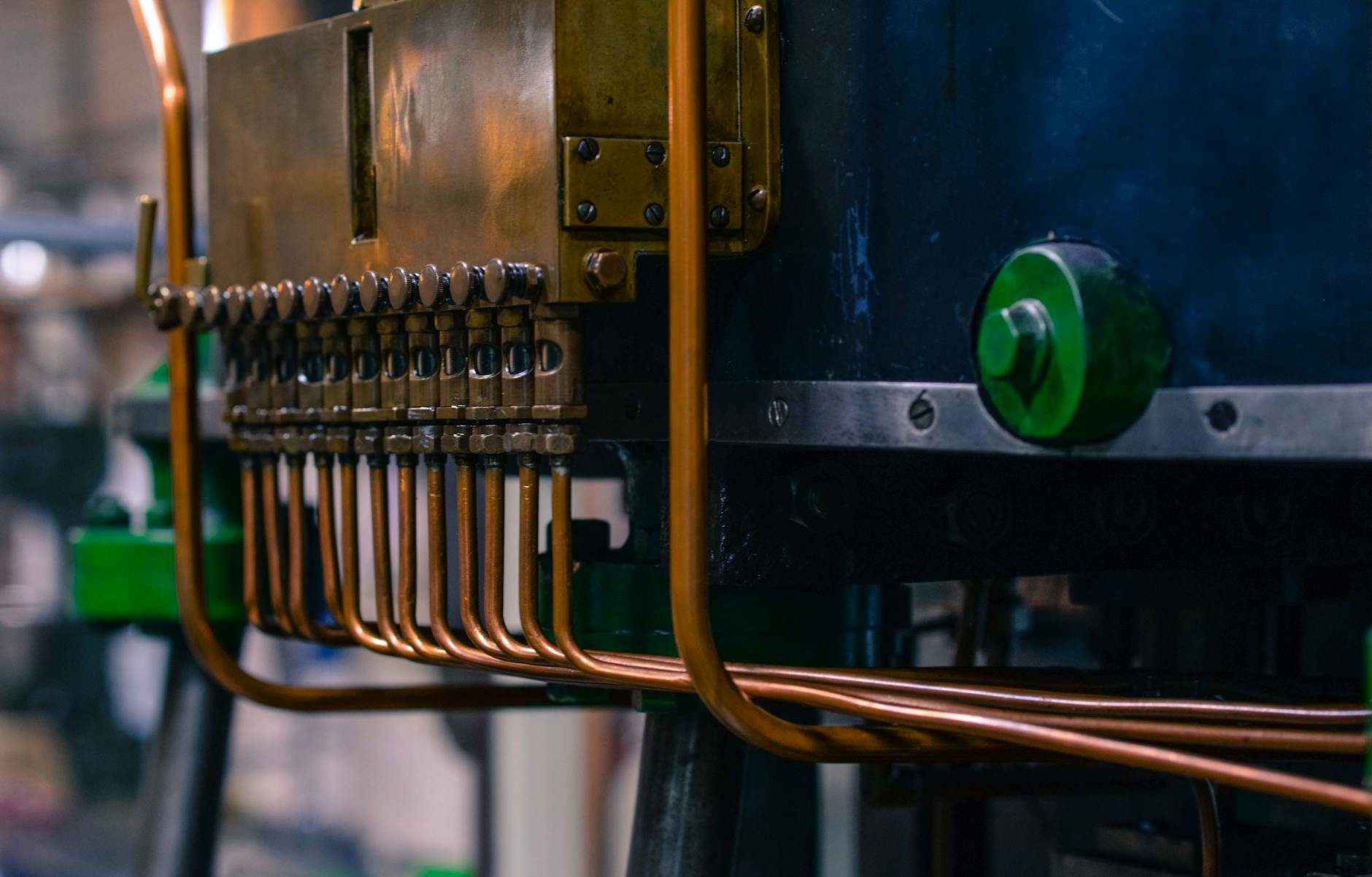 Metalworking & Fabrication →
 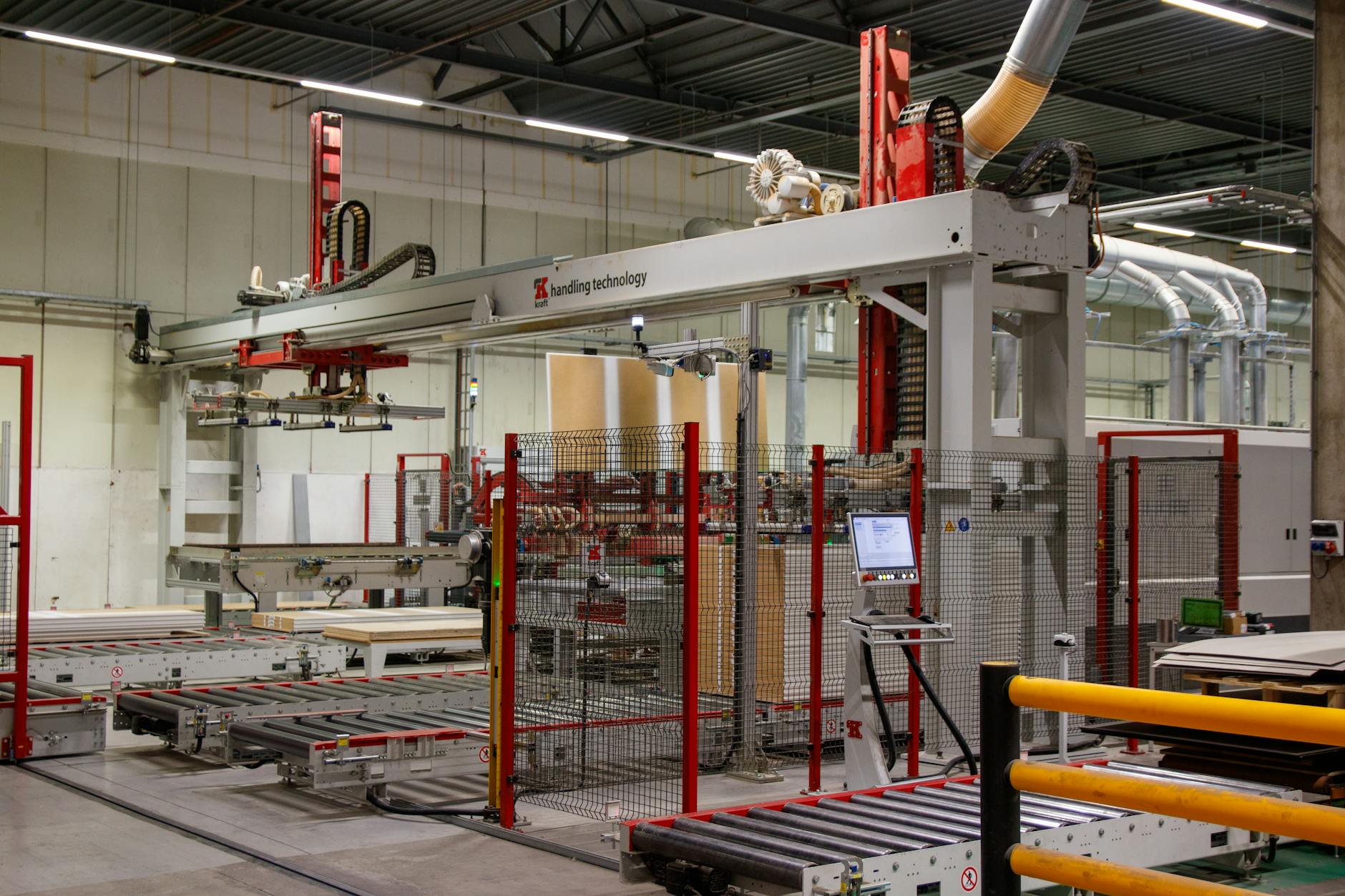 Material Handling & Conveyors →
 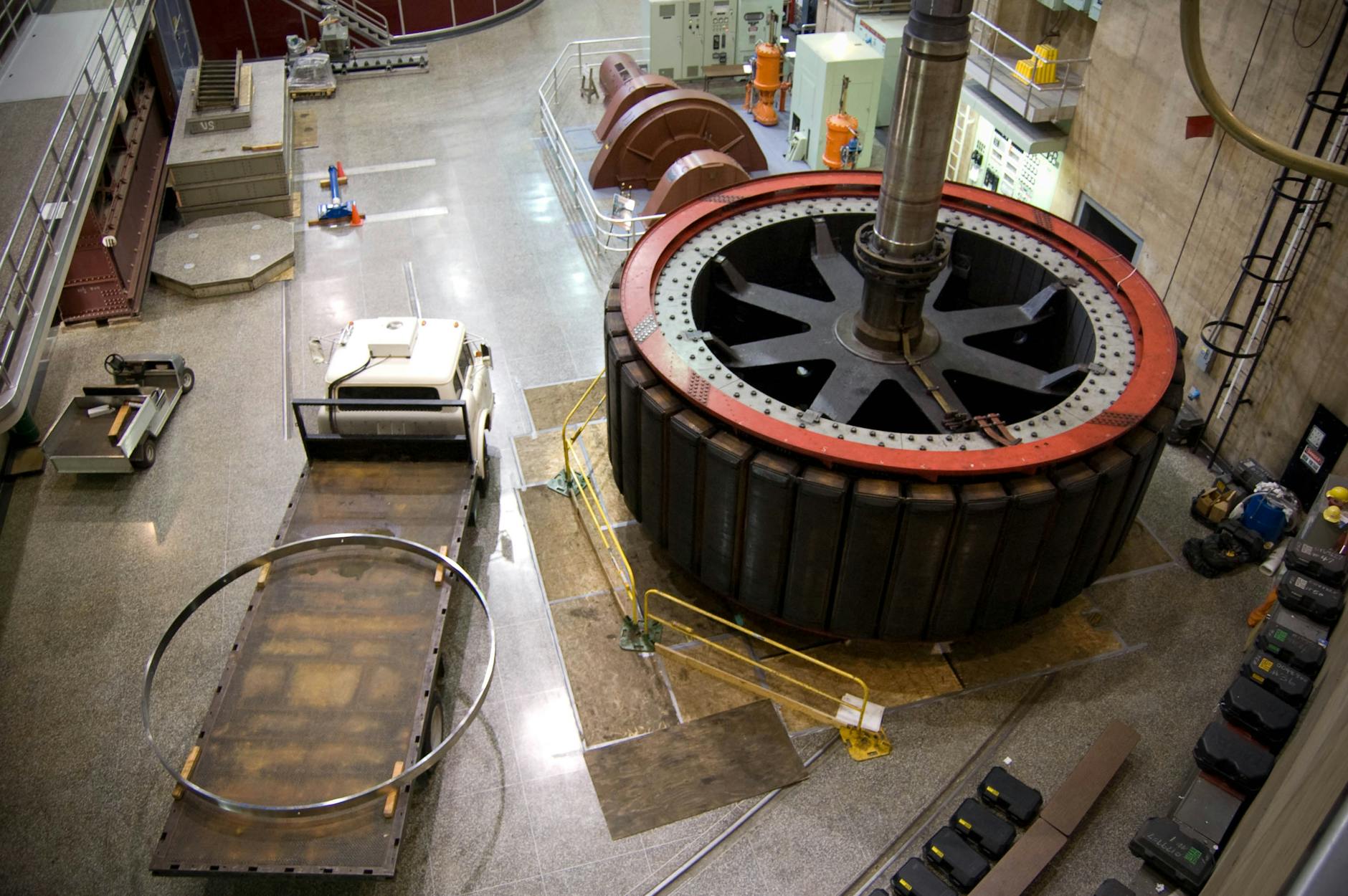 General Manufacturing →
 Also applies to Heavy presses and forming equipment
Every entry is a real product on this site, linked to its page. Quote them on the same line item.
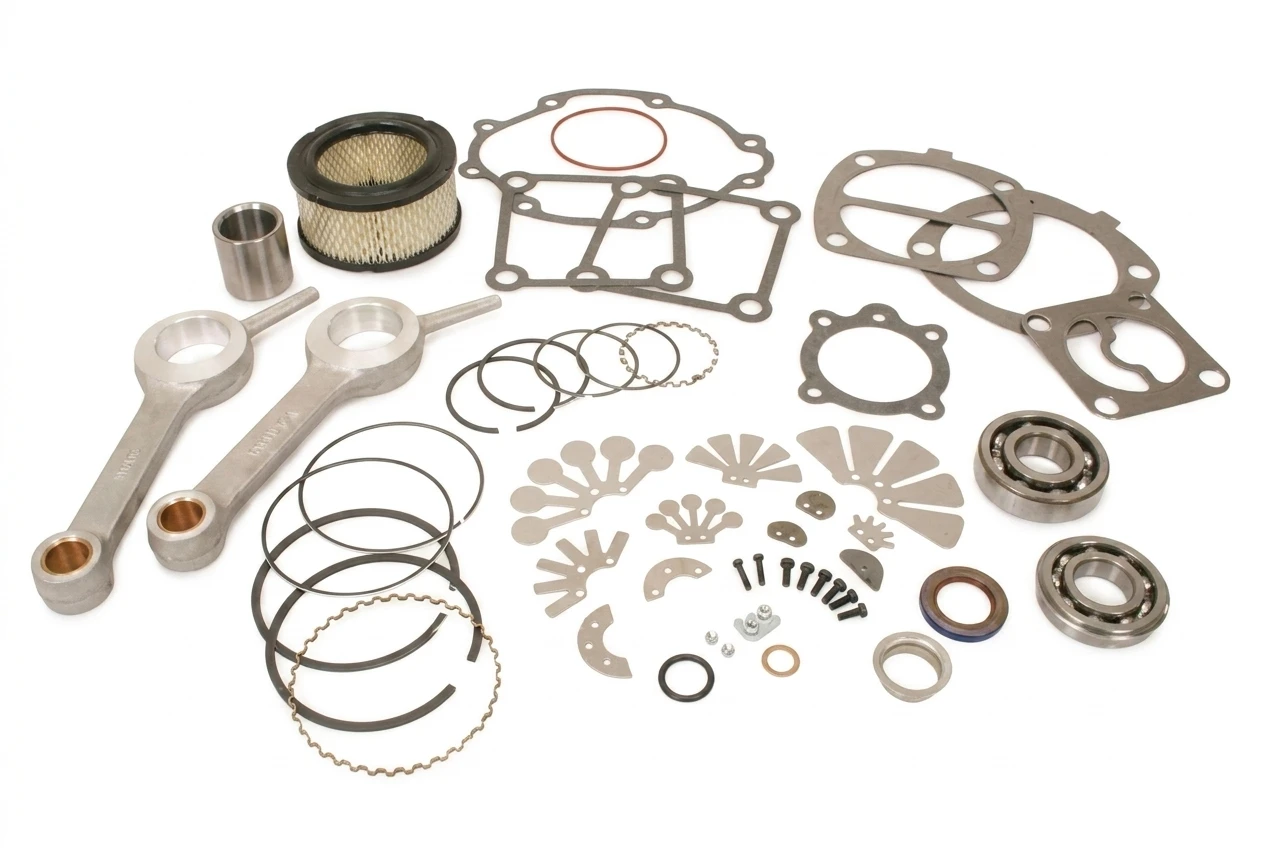
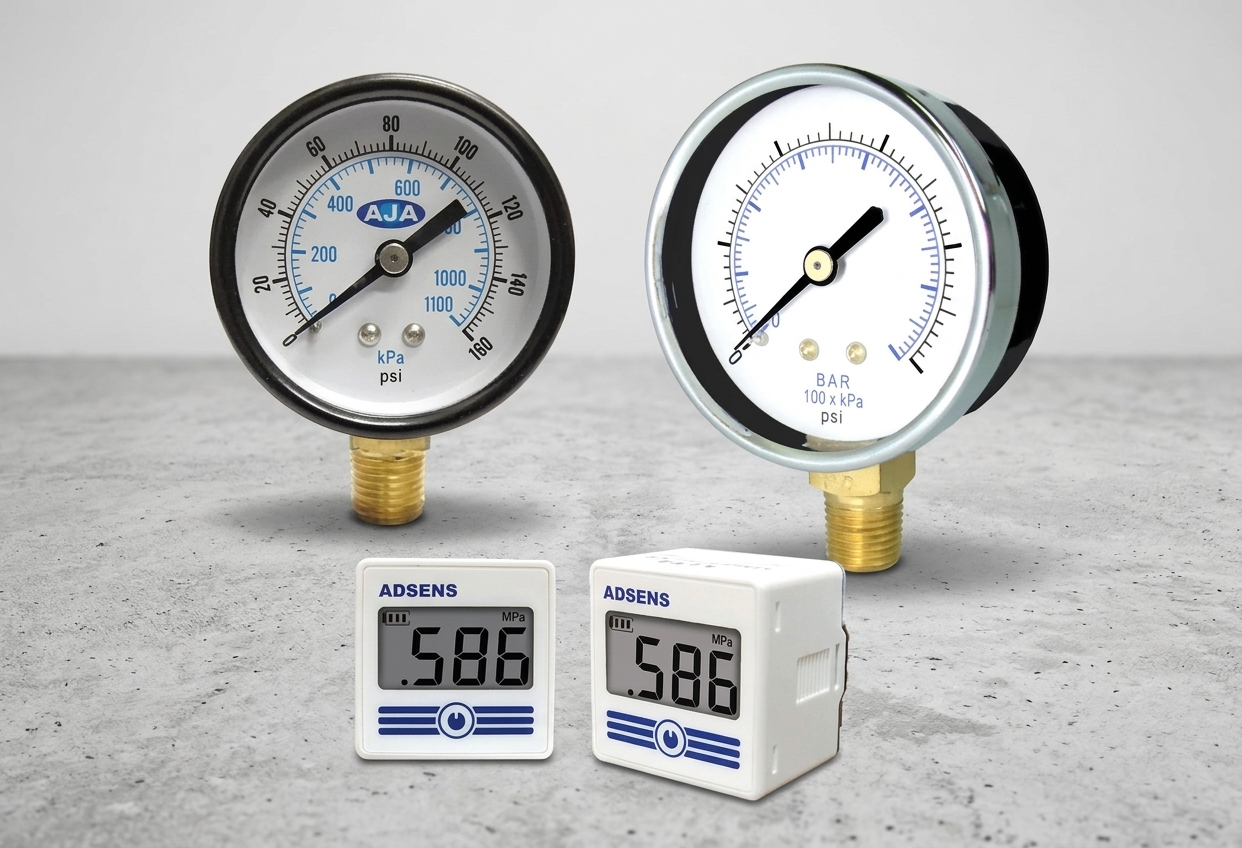
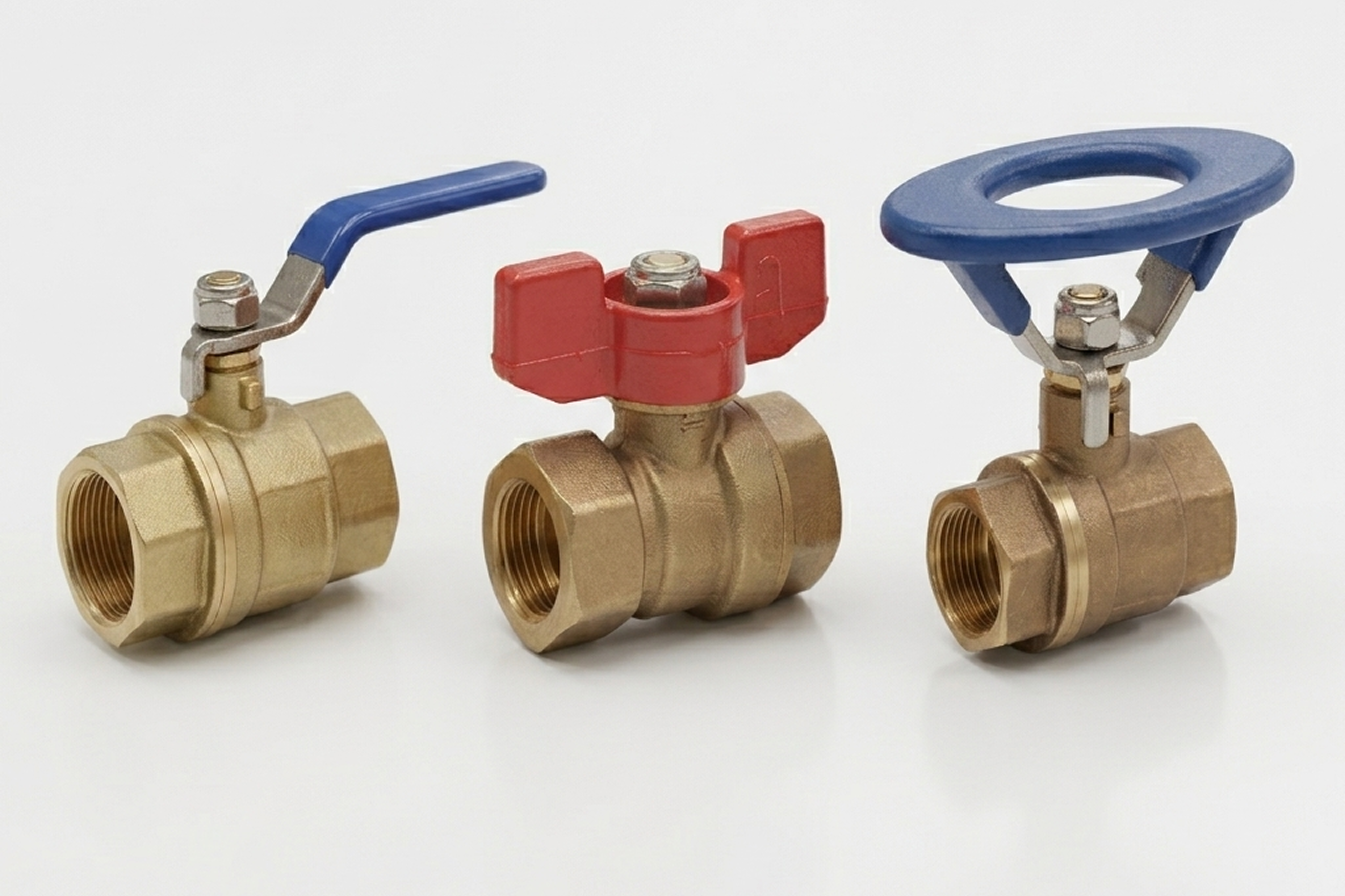
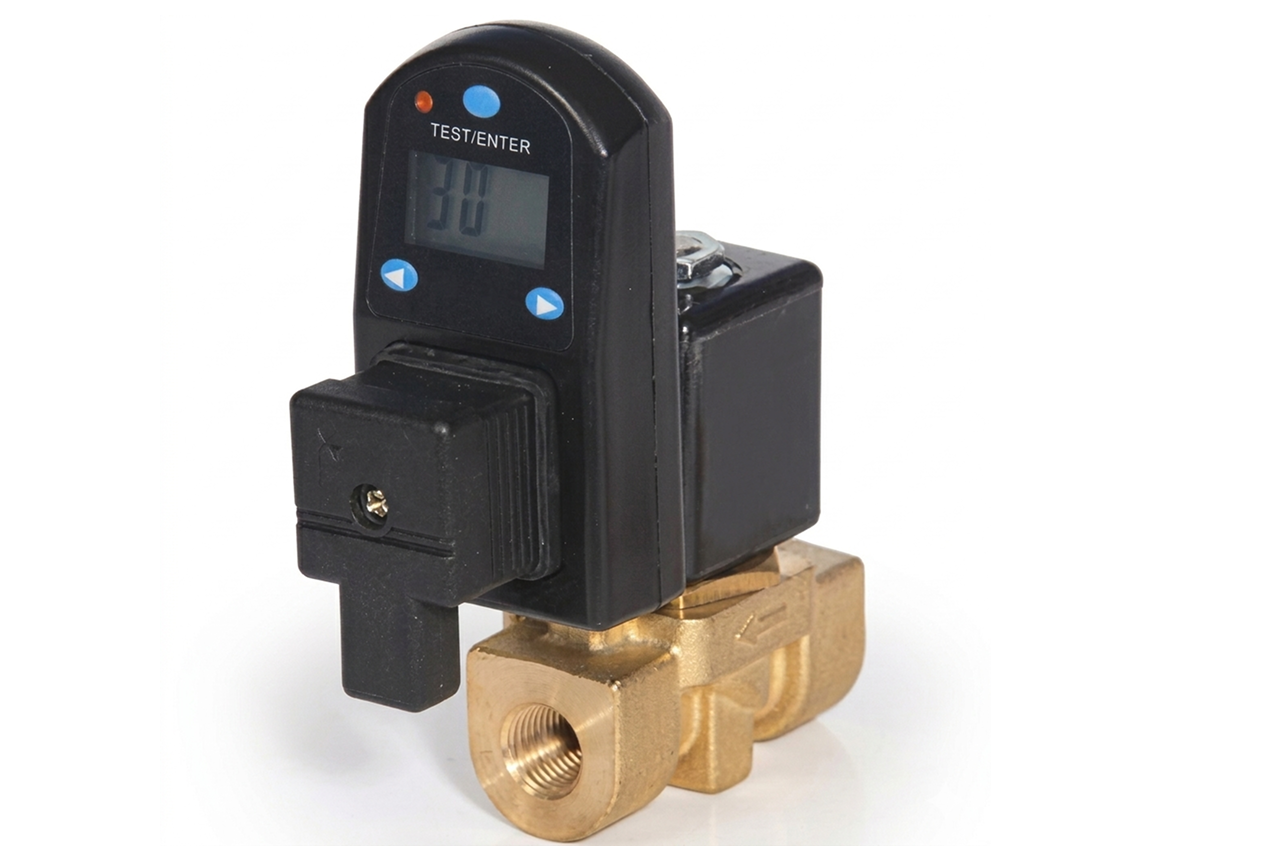
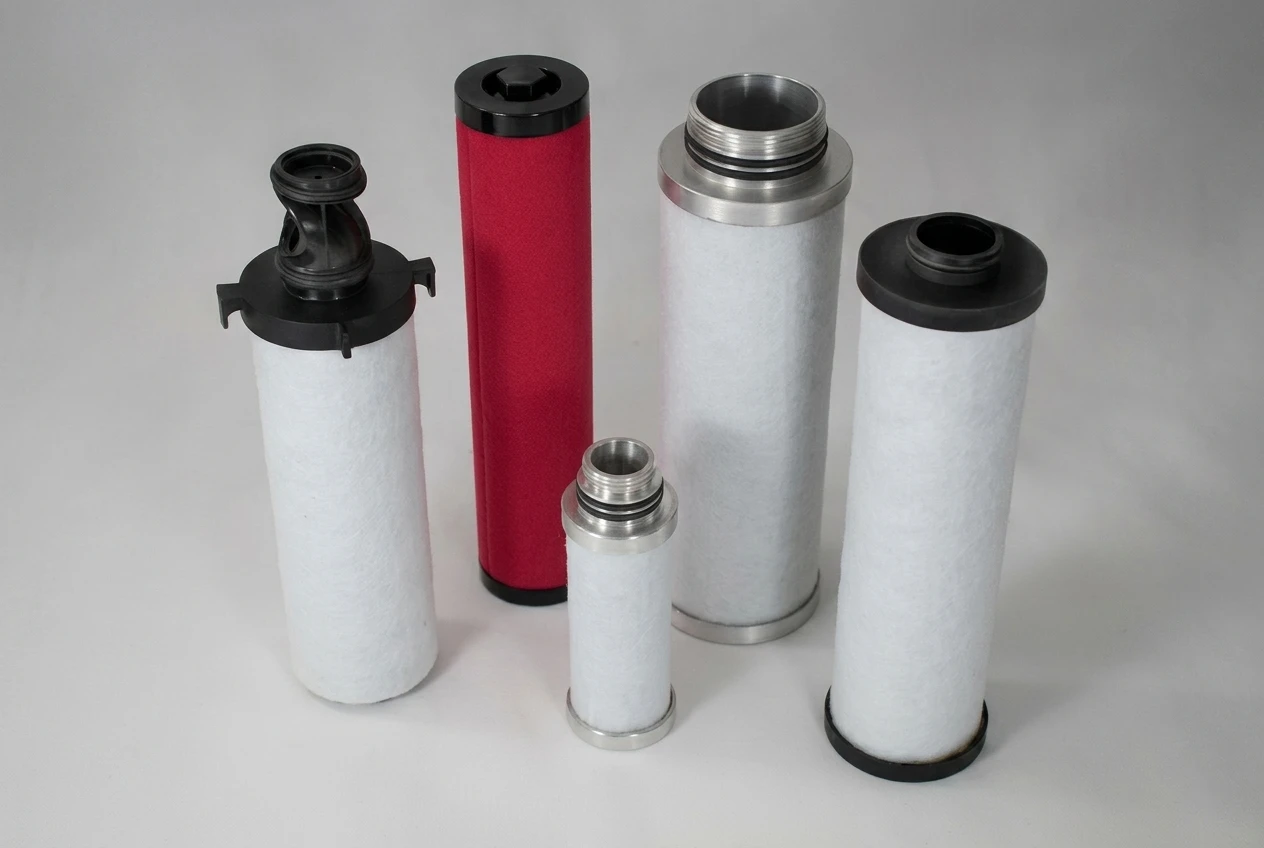
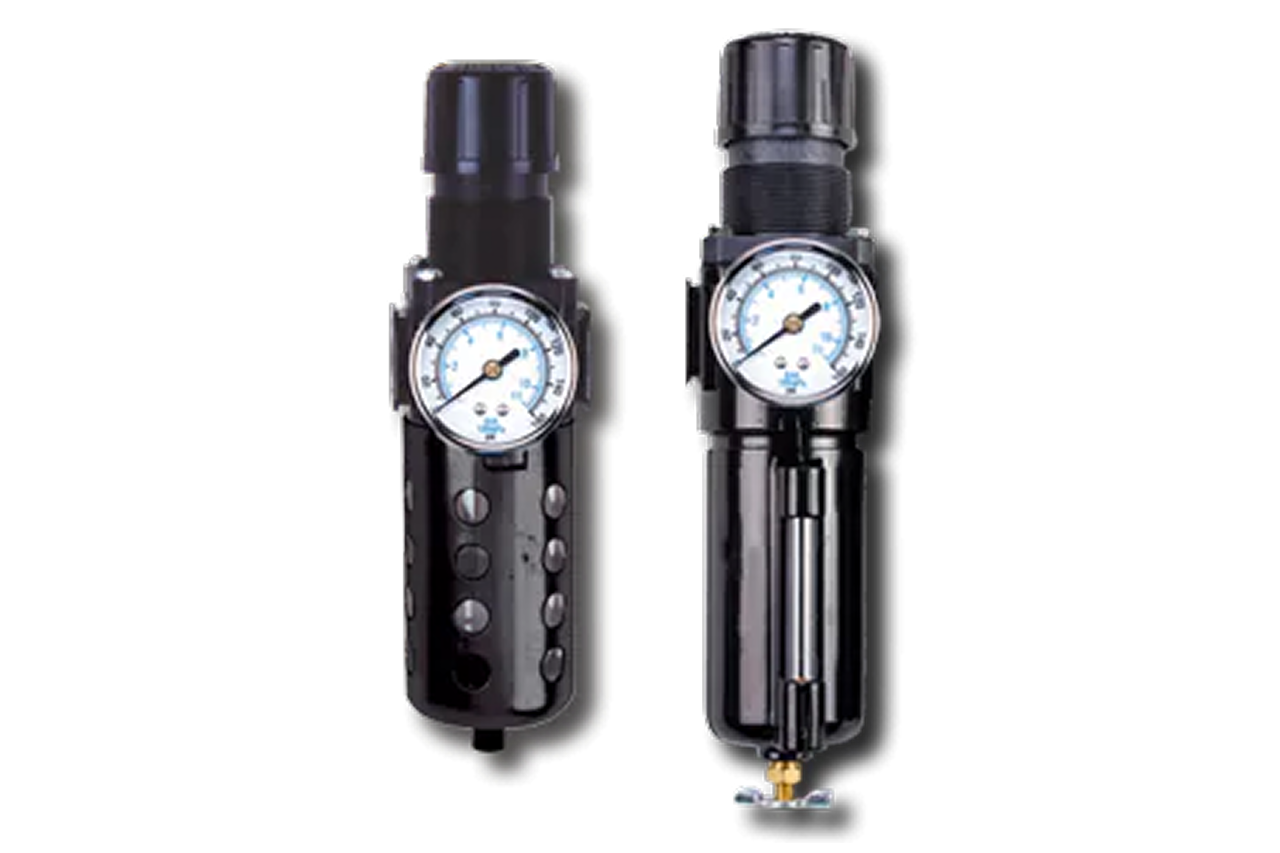
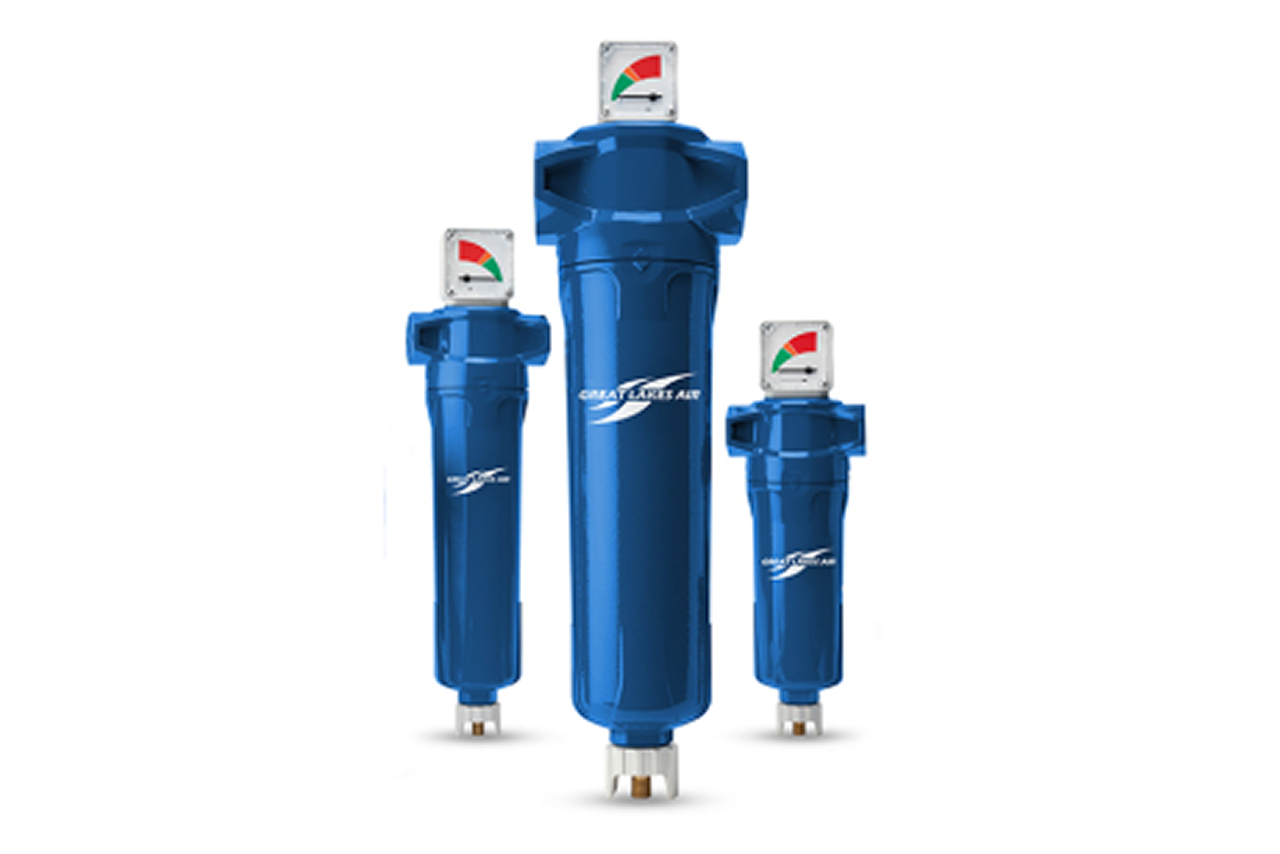
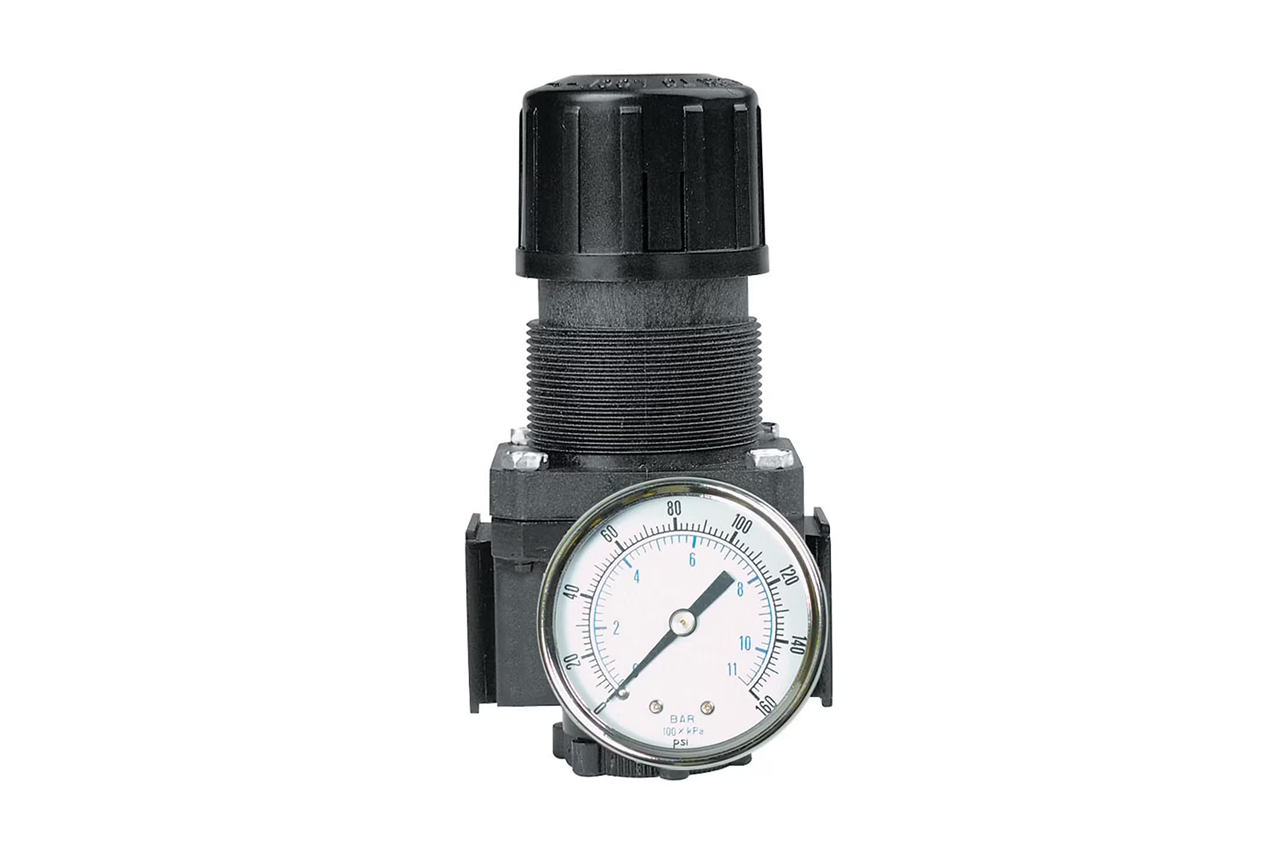
Stock matched FRL + service kit + replacement gauge as a bundled re-order on standing PO for fleet customers, multi-machine plants service on a calendar and reward the distributor who ships the package together.
Send us the application — a specialist routes you to the correct tier with a configured part. Lead-times and pricing returned within one business day.
Your quote. We reply within one business day with pricing, lead-time, and configured parts.