DISTRIBUTOR-FIRST SUPPLY PARTNER · SINCE 1999 Live · Compressed Air System

SPC Company
Compressed Air / End-Use / Nitrogen Generation / High-Pressure Nitrogen Generator
Layer 06 · End-Use Value · South-Tek Systems
What it is

High-Pressure Nitrogen Generator

Compare tiers ↓

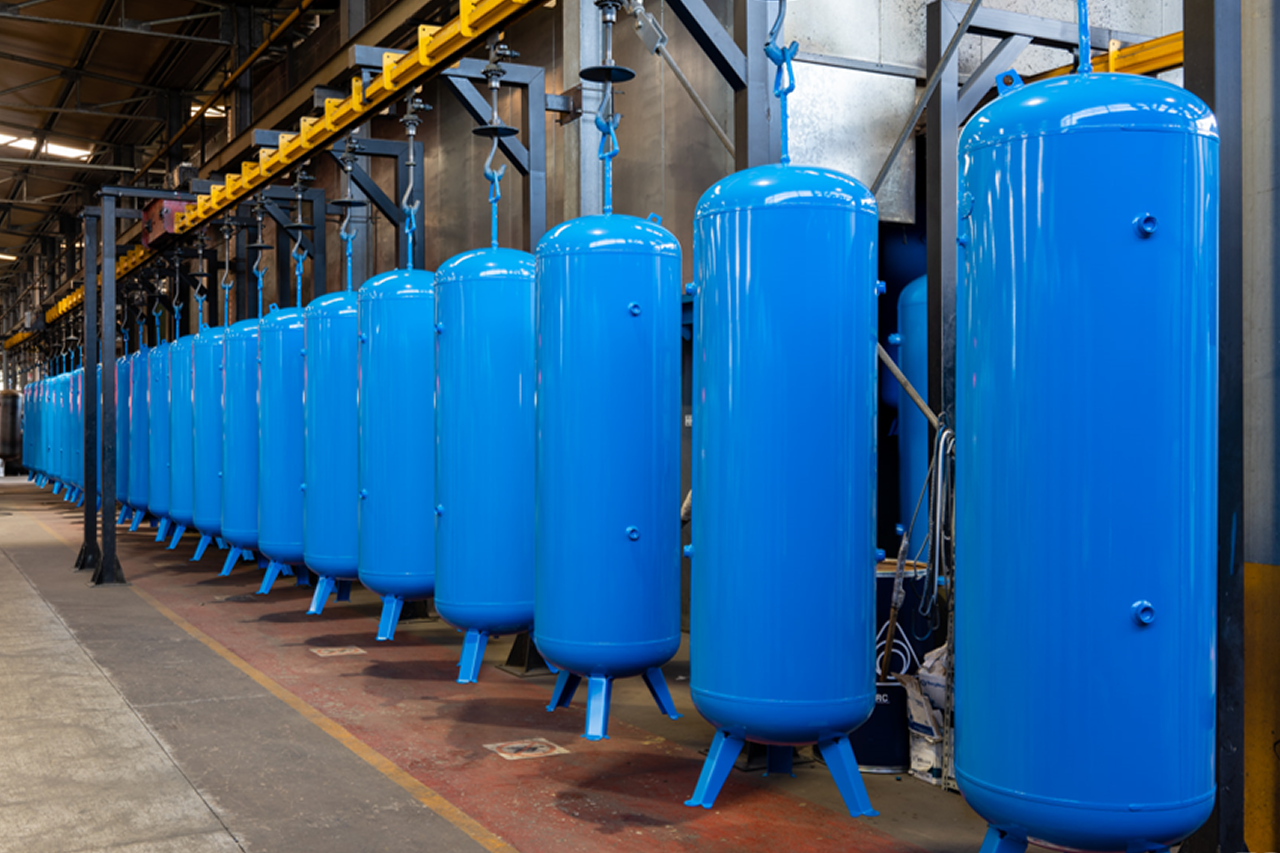
A high-pressure nitrogen generator is a PSA (Pressure Swing Adsorption) generator paired with a gas booster and a cylinder-fill stand, engineered to deliver nitrogen at thousands of PSIG rather than ordinary plant pressure. It is the format for cylinder and bottle filling, aircraft tire and strut servicing, munitions handling, and military and defense work, any application where the nitrogen has to leave the system at fill pressure rather than line pressure. Sold and installed as a complete fill system, not as a generator alone: the generator, low-pressure buffer, booster, fill stand, and safety/control are engineered together. Available as a deployable wheeled package (self-contained with its own feed compressors) or a stationary fill skid sized to fill a set number of cylinders per day.
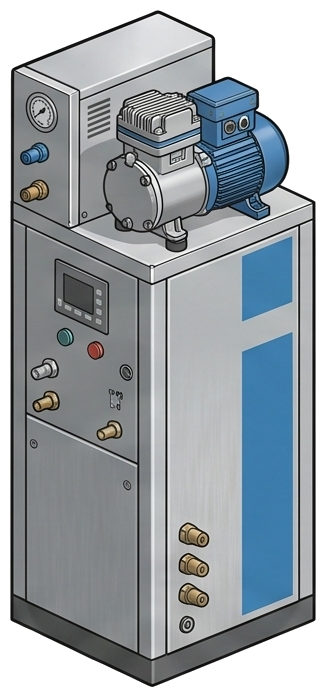
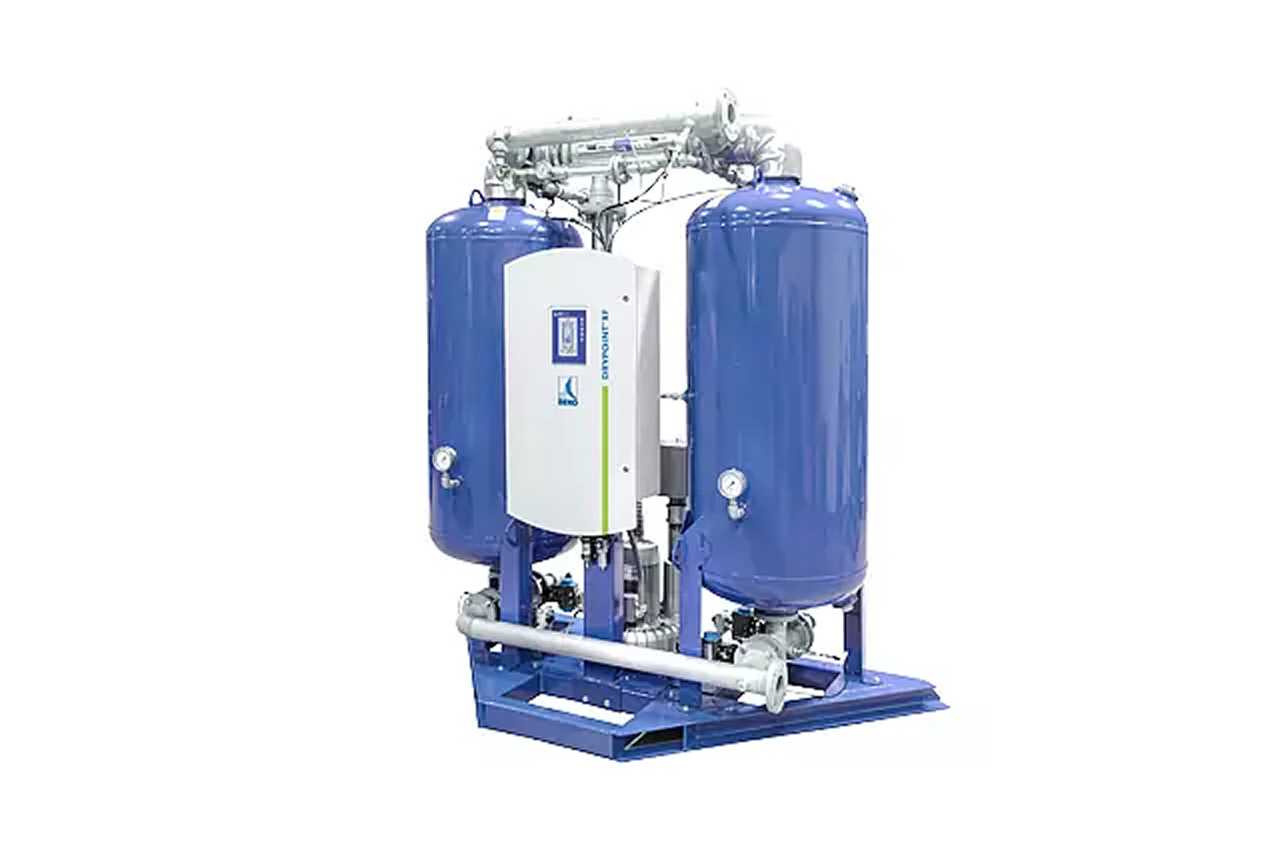
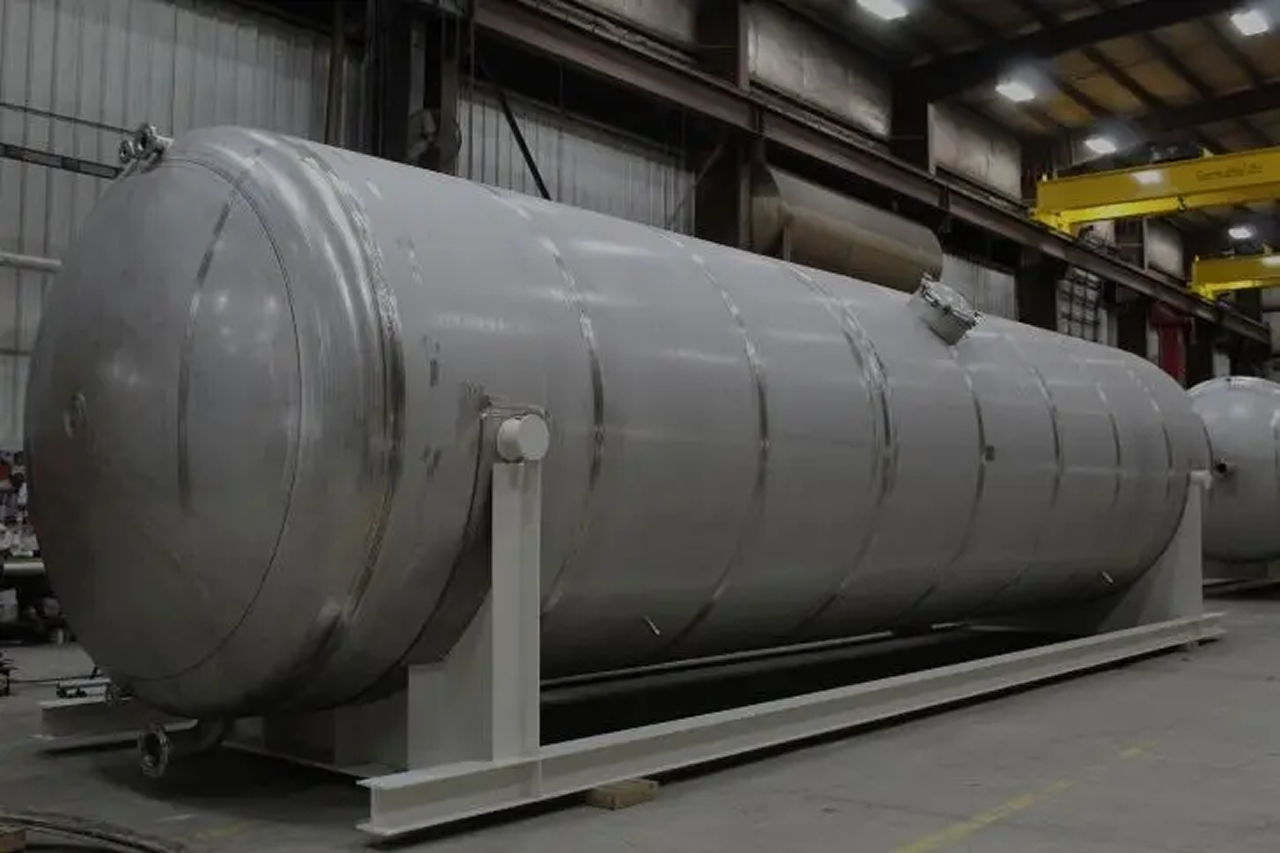
Pictorial Representative high-pressure nitrogen generator
High-Pressure Nitrogen Generator — representative illustration
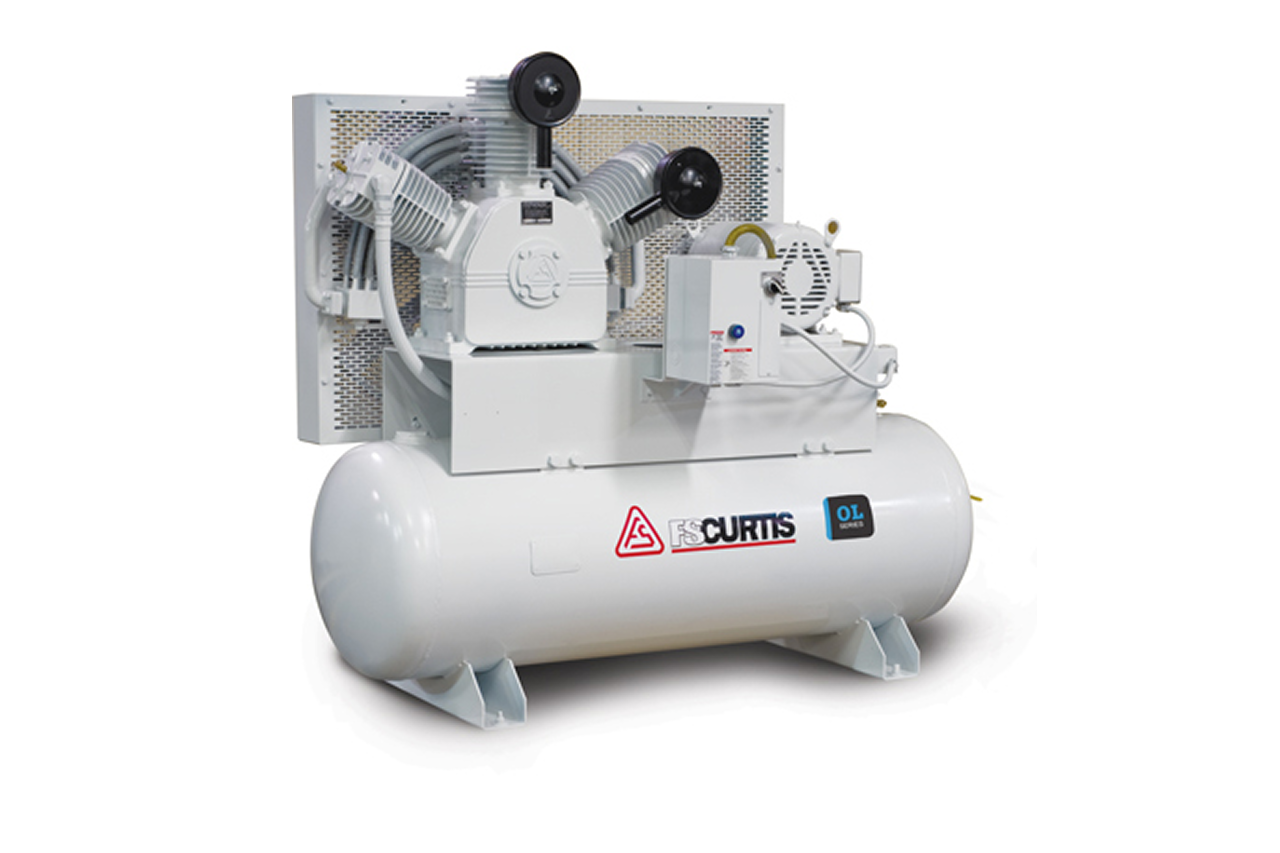
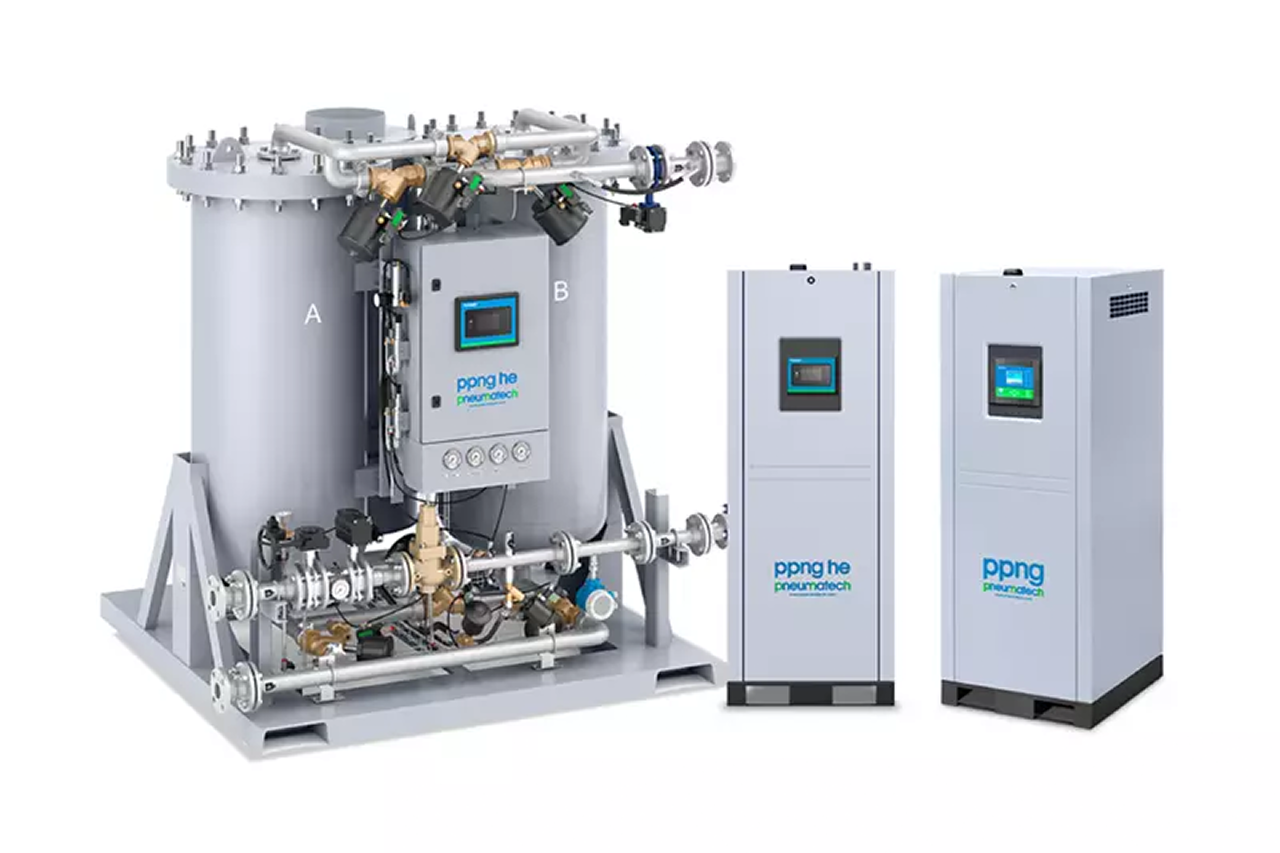
Real-world reference Representative high-pressure nitrogen generator
High-Pressure Nitrogen Generator — representative product photo
Why it's needed

Why this matters.

When to spec a high-pressure fill system, and when to stay standard or stay on cylinders. Review the points below.

01 · Key point
Fills bottles as well as lines.

Standard PSA outputs at plant pressure; this format adds a booster and fill stand to deliver 2,200, 3,000, or 3,500 PSIG straight into cylinders, struts, and accumulators on demand.

02 · Key point
Kills the cylinder supply chain.

No more hydrostatic re-tests on borrowed cylinders, no demurrage, no waiting on a flight-line delivery. Mission readiness and supply-chain independence usually dominate the case ahead of dollar payback.

03 · Key point
One engineered fill system.

Generator + low-pressure buffer + booster + fill stand + safety relief, all engineered together. The customer buys a turnkey fill outcome, not a parts list, and SPC captures margin across the whole stack.

04 · Pro tip
Spec the fill pressure first.

Pressure target sets the booster stage and fill-stand engineering; get it before anything else. 2,200 PSIG for aircraft tires, 3,000 PSIG for struts and accumulators, 3,500 PSIG for munitions and specialty. Then rate the system by cylinders-per-day, not continuous SCFM.

05 · Where not to use
Plant-pressure consumption only.

Laser cutting, food MAP, blanketing, heat treat, anything consuming N2 at line pressure pays for booster and fill stand it'll never use. → Re-spec to standard PSA; same generation core, materially lower capital.

06 · Where not to use
Low fill volume per week.

A handful of cylinders a month rarely justifies the capital; the operational case needs steady fill demand on a flight line, fleet, or distributor route. → Stay on cylinder supply until volume scales.

07 · Where not to use
Import-tier or substituted hardware.

Booster output and fill-stand piping run at thousands of PSIG, every component carries a pressure rating the safety case depends on. → Spec the engineered package; low-end alternatives are a real liability on aviation, defense, and munitions work.

Key selection criteria

What we need to spec it right.

From the machine spec sheet to the part number. Answer what you know, leave the rest blank, and send.

04Choose your priority  ·  core differentiator

Whatever your lever — performance, value, or price — SPC has the right brand.

Pick the priority; the quote desk handles the cross-reference.

02 Value 1 brand
Where it's used

Industries served.

Each industry below uses this product across the listed areas. Open an industry to see how it fits the rest of its system.
Also applies to 2,200 PSIG · 3,000+ PSIG · Documentation and supply-chain-of-custody requirements are heavier than commercial work. · Industrial gas-charging (accumulators, gas springs, refrigeration leak-checking) · Specialty cylinder filling for distributors and resellers · capturing margin on every bottle they sell · Hypoxic fire suppression for high-value protected spaces · Fleet maintenance and heavy-equipment service centers

Install · 7 critical steps

The things that matter on the first install.

Step 01
Site survey before delivery
High-pressure demands more from the site than standard PSA: three-phase power at nameplate voltage, pad rated for package weight (wheeled rolls into position, stationary anchors), ventilation rated for regen vent and booster cooling, code-compliant clearances around the fill stand. A unit that arrives at an unprepared site cannot be set or commissioned safely.
Step 02
Establish feed-air supply and treatment
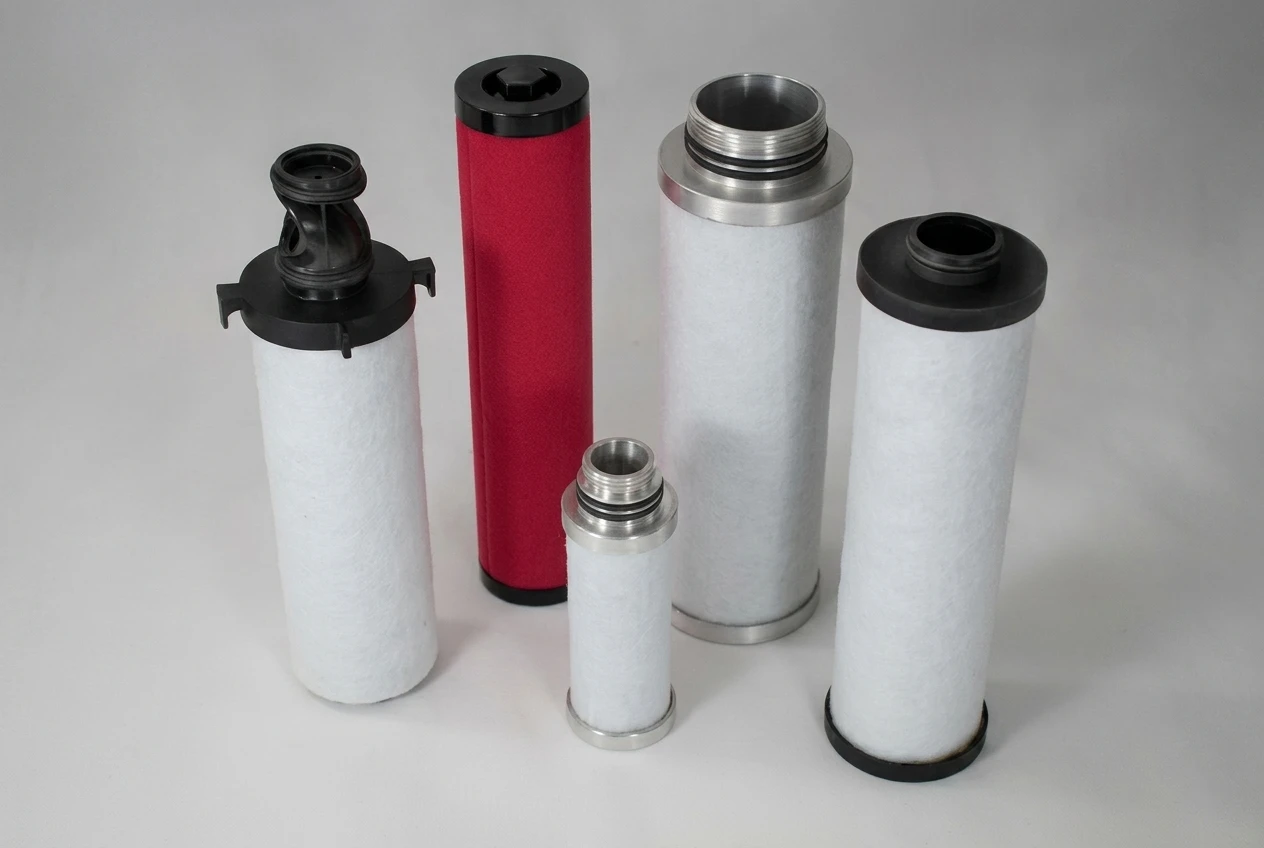
Self-contained deployable units include their own oil-free compressors and dryers; stationary skids are typically fed from plant air with a mandatory desiccant dryer (-40°F PDP) plus coalescing filter ahead of the PSA inlet. Verify configuration matches the order; no lubricated-compressor oil aerosol can reach the CMS beds.
Step 03
Plumb the high-pressure side with rated materials
Booster output and fill-stand piping operate at thousands of PSIG, must use pressure-rated materials, fittings, and valves per manufacturer and applicable code. This is not a place for substituted hardware. Run all piping to manufacturer drawings; pressure-test before charging.
Step 04
Energize the PSA core first
Tower break-in per manufacturer spec, both towers cycling, regen vent discharging outdoors, low-pressure buffer filling to operating pressure. Do not pressurize the high-pressure side until the PSA core is stable at purity.
Step 05
Energize the booster, verify high-pressure piping integrity
With PSA running and buffer at standard pressure, bring the booster online per the start-up sequence. Watch discharge ramp to target fill pressure, verify all pressure-rated connections are leak-free under full pressure (soapy-water test at every joint, then documented pressure-hold test), confirm safety relief valves are set and tagged per the engineered safe-operating envelope.
Step 06
Calibrate the fill stand, verify purity at fill pressure
Set fill-stand regulators to target cylinder fill pressure, install a calibration cylinder, run a controlled fill cycle. Verify the analyzer reads at or above target throughout, fill pressure reaches setpoint cleanly without overshoot, bleed and vent provisions operate as engineered. Repeat with a customer-representative cylinder.
Step 07
Document, train operators, set service calendar
High-pressure fill is higher-consequence than standard plant nitrogen, operator training matters. Walk through fill-stand procedure, cylinder handling, pre-fill inspection, hydrostatic-test recordkeeping, emergency-shutdown sequence. Leave laminated SOP cards at the fill stand. Set service intervals on PSA core, booster, fill stand regulators, and safety relief valves on a documented calendar. Stock critical spares in the customer's MRO crib at install.
Troubleshoot · top failures

Most returns trace to one of these causes.

Symptom
Most likely cause
Fix
Booster cannot reach target fill pressure or stalls partway through the fill
Booster intake undersupplied (low-pressure buffer drawing down faster than the PSA can refill), booster mechanical wear (rings, valves, seals end-of-life), feed-air pressure shortfall at the PSA inlet, or restriction in high-pressure piping.
Watch the low-pressure buffer during a fill, if it sags below PSA minimum, the generator is undersized for the booster demand. If buffer is solid, inspect the booster for wear and check service records. Verify feed-air supply at the PSA inlet. Inspect high-pressure piping for partial blockage.
Cylinder fills take significantly longer than documented fill time
Generator purity is high but volume is sagging (CMS degradation or feed-air shortfall reducing SCFM to the buffer), booster discharge volume reduced by wear, or fill stand regulator restricting flow below design.
First verify PSA output; measure flow into the buffer during a fill, compare to rated SCFM. If output is below spec, troubleshoot the PSA per standard procedures. If PSA is at spec, the booster is the bottleneck, inspect and service. If the booster is healthy, inspect fill stand regulators for full design flow.
Safety relief valve opens during a fill cycle or during operation
Relief valve setpoint drift (valve has lifted before and the seat now leaks at lower pressure), engineered overpressure condition (regulator failed open or controller setpoint wrong), or a genuine system overpressure event.
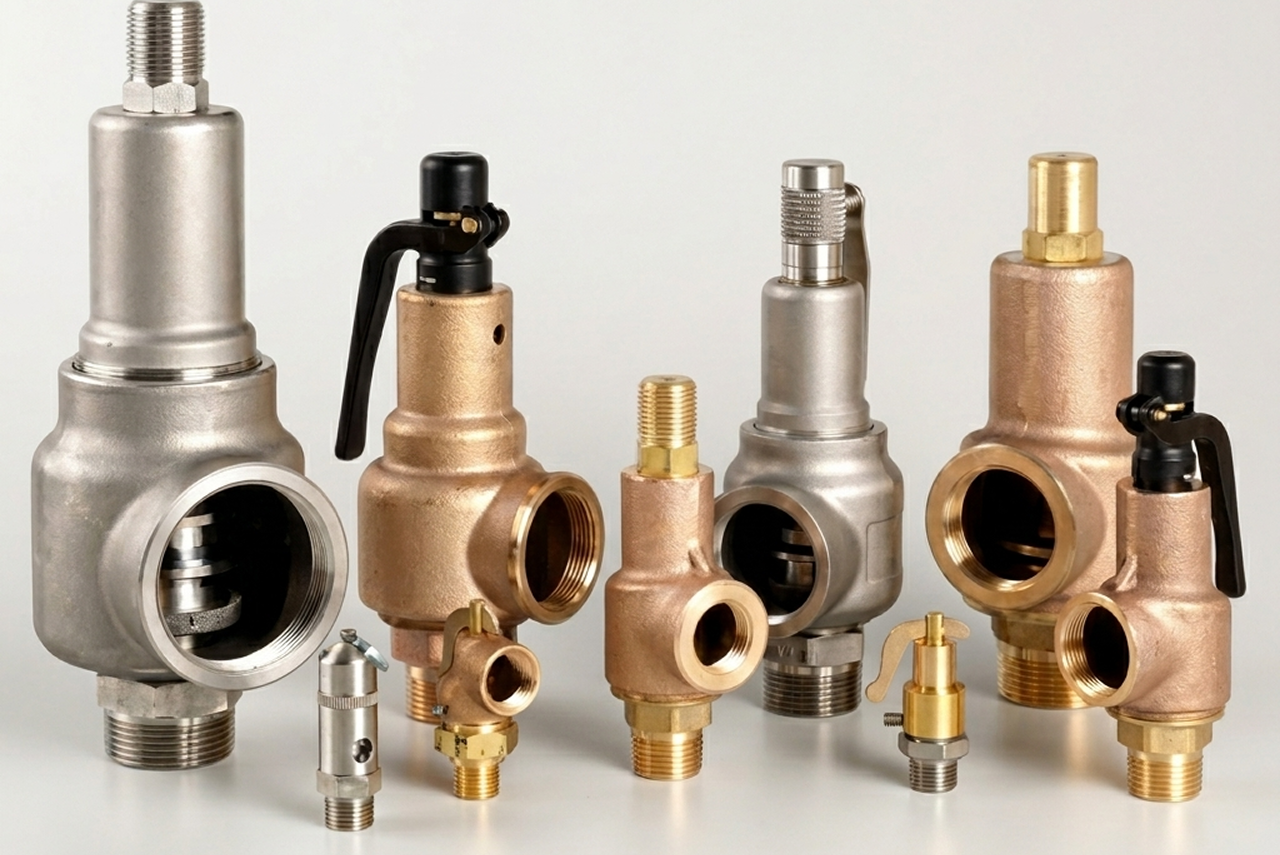
Do not reset the system and continue operating without root cause. Depressurize, lock out, inspect the relief valve for evidence of past lift events, verify upstream pressure setpoints against the engineered envelope, confirm regulator function. Replace the relief valve if there's any doubt about setpoint integrity; these are mission-safety devices and replacement cost is trivial against the cost of an overpressure event.
Purity drops during the fill cycle but recovers when the booster is off
Booster pulls the low-pressure buffer down faster than the PSA can refill at configured purity, generator undersized for fill profile, or feed-air pressure sagging under load.
Verify peak demand vs rated generator output. If demand exceeds rated, reduce fill rate, add a second PSA in parallel, or upgrade to larger generator. If demand is within rated, the feed-air supply is the bottleneck, investigate compressor capacity and dryer pressure drop.
Fill stand regulator output pressure overshoots or hunts during a fill
Regulator wear (diaphragm or seat degradation), wrong regulator selection for the flow rate, or upstream pressure swings the regulator can't track.
Inspect and rebuild or replace per manufacturer service kit. Verify upstream booster discharge is steady under load. If hunting persists with fresh regulator and steady upstream supply, the regulator is undersized or wrong type, review with manufacturer engineering.
Audible knocking or unusual mechanical noise from the booster
Booster mechanical condition, worn valves, cracked piston rings, contaminated lubricant (where applicable), or foreign material through the intake. On oil-free boosters, ring wear is most common.
Stop the booster immediately, lock out, inspect. Continuing to operate a knocking booster destroys it rapidly and creates a high-pressure mechanical safety event. Service per manufacturer procedure: ring, valve, and seal inspection; oil sample if lubricated; intake filter inspection. Replace any components outside service spec before restart.

Get the right high-pressure nitrogen generator on quote in 24 hours.

Send us the application — a specialist routes you to the correct tier with a configured part. Lead-times and pricing returned within one business day.

Open quote engine ↑