DISTRIBUTOR-FIRST SUPPLY PARTNER · SINCE 1999 Live · Compressed Air System

SPC Company
Compressed Air / Storage / Air Receiver Tanks / Specialty / Custom Pressure Vessel
Layer 03 · Storage Performance · Samuel PVG Price · Morganton
What it is

Specialty / Custom Pressure Vessel

Compare tiers ↓

A specialty or custom pressure vessel is an engineered, build-to-spec ASME (American Society of Mechanical Engineers) tank for storage applications the standard catalog cannot cover. It is the engineered tier of the storage layer: when a standard vertical or horizontal receiver does not fit, a vessel is designed, fabricated, inspected, and stamped to the specific requirement instead of pulled from a catalog. Four situations call for it, non-standard geometry, high-pressure ratings above 200 PSI (moving the design from ASME Section VIII Division 1 into Division 2 territory), specialty internal configuration like multi-chamber vessels, or very large volume beyond catalog. Project-based lead times; audit-regulated work (aerospace, defense, FDA) may require the full U-1A Manufacturer's Data Report package.
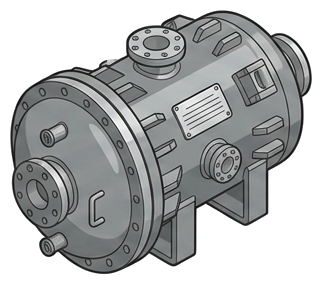
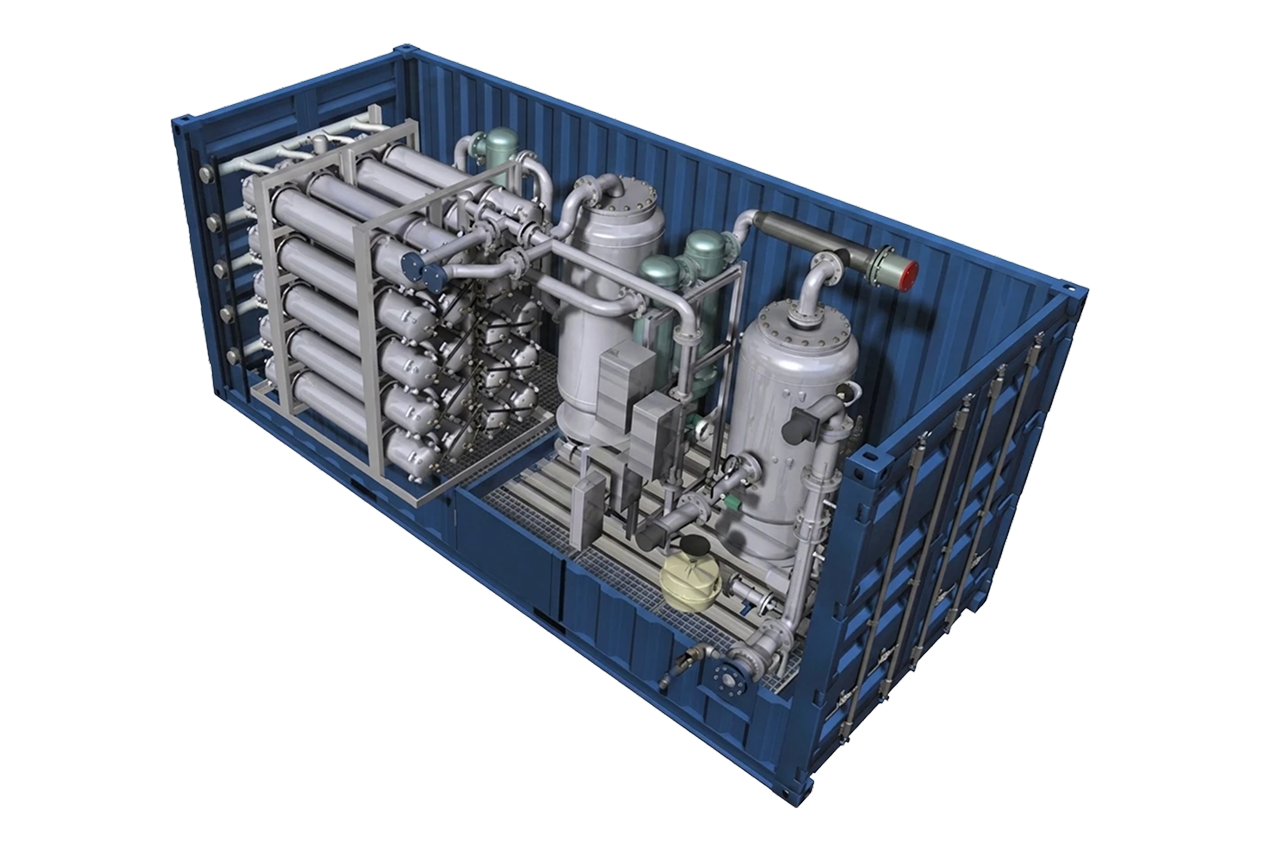
Pictorial Representative specialty / custom pressure vessel
Specialty / Custom Pressure Vessel — representative illustration
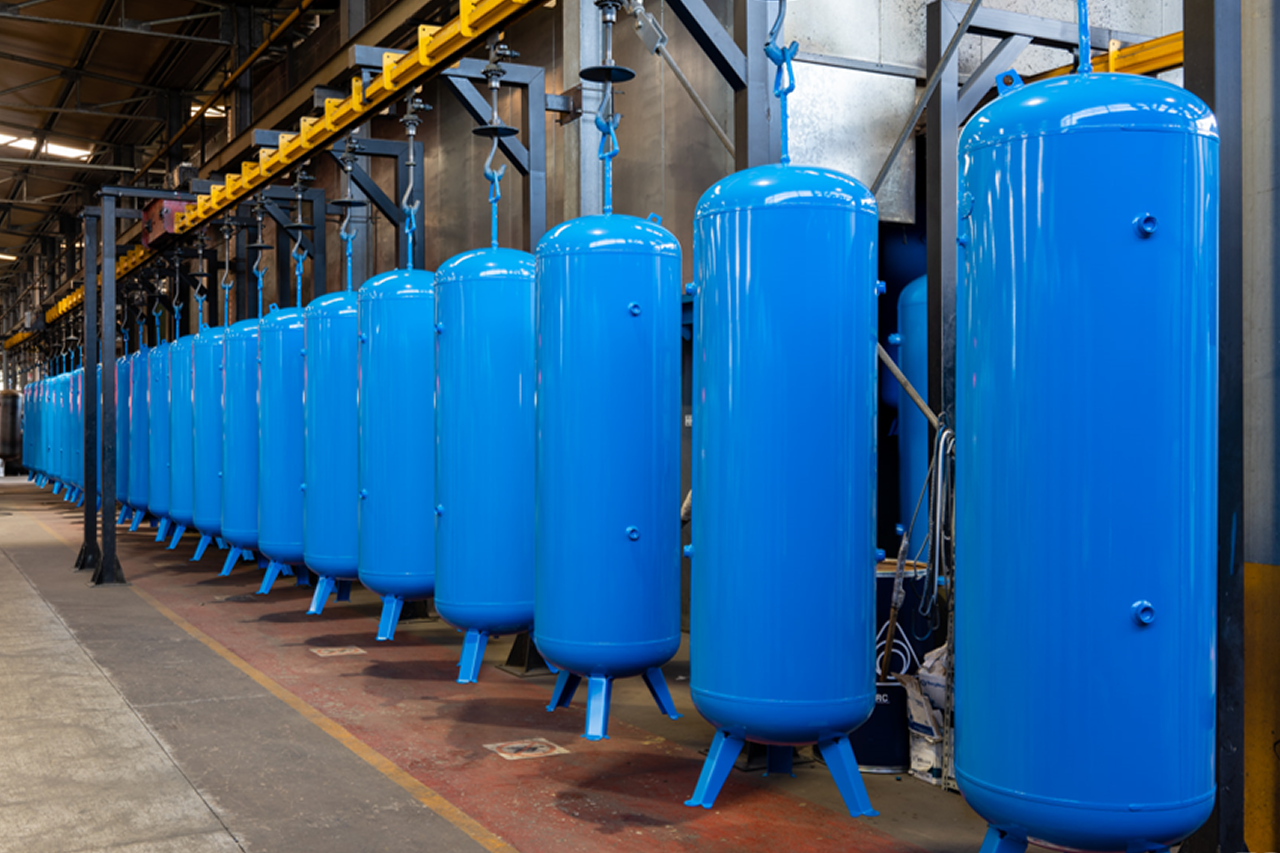
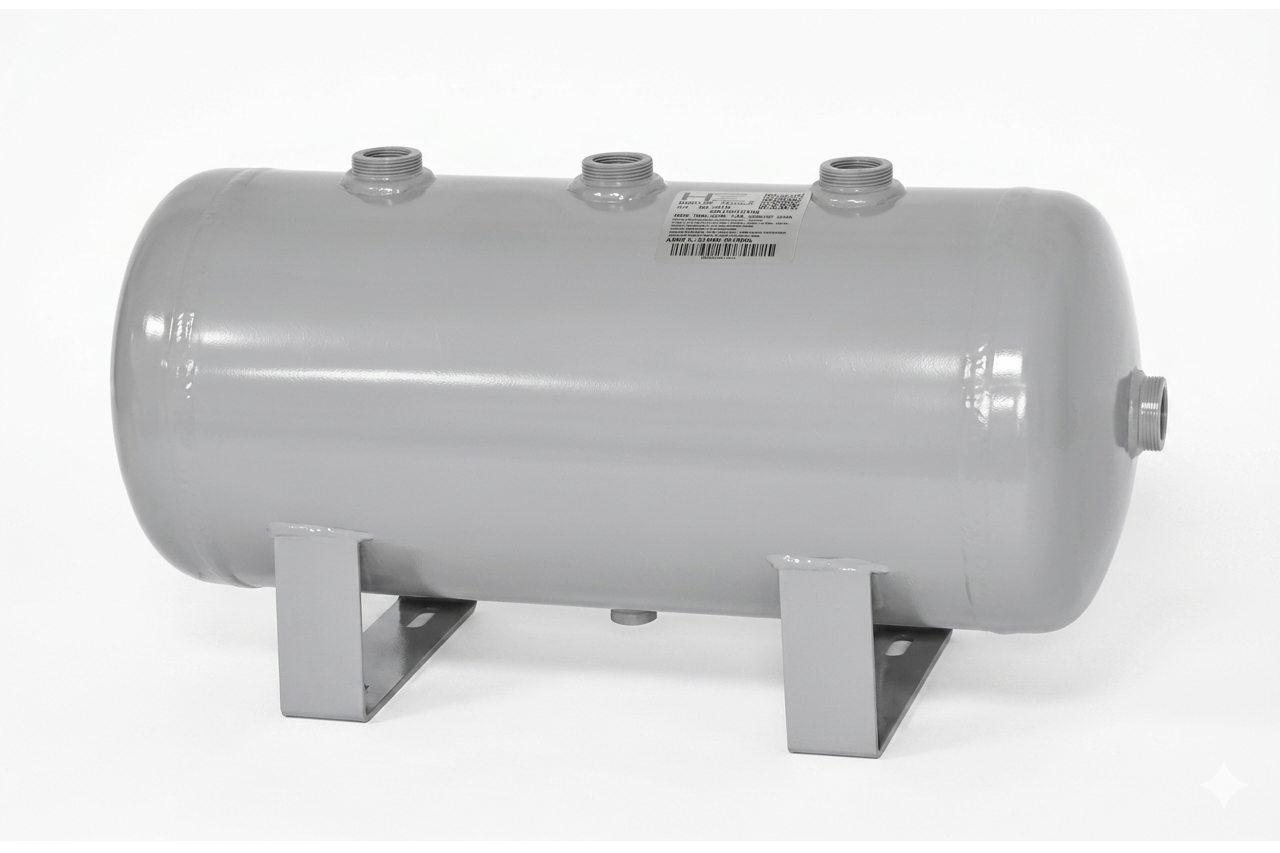
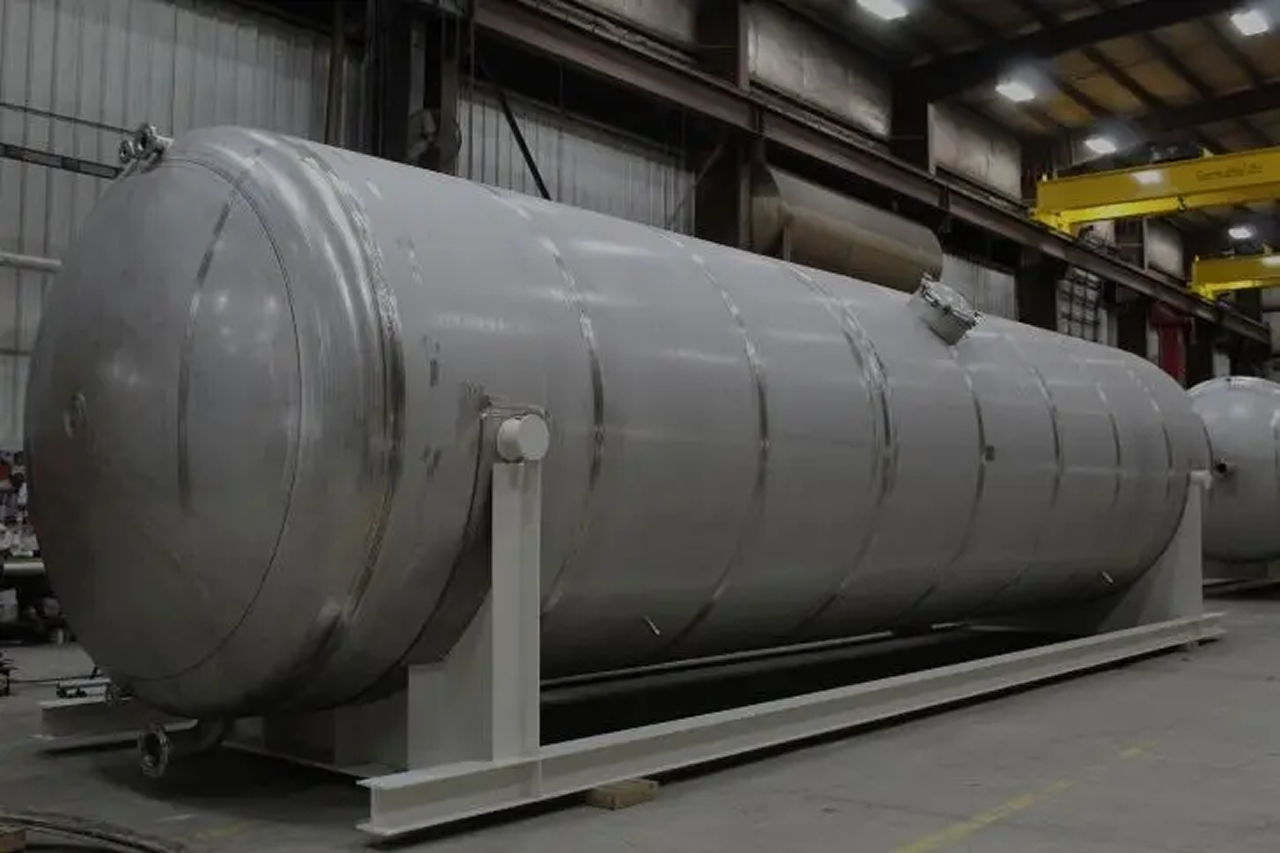
Real-world reference Representative specialty / custom pressure vessel
Specialty / Custom Pressure Vessel — representative product photo
Why it's needed

Why this matters.

When the catalog stops and engineered fabrication starts. Review the points below.

01 · Key point
Fabricated to your spec sheet.

Dimensions, MAWP, material, port schedule, and internals all engineered to the application, not bent to fit a catalog. Standard vertical and horizontal catalog stops at 1,550 gallons and 200 PSI; specialty covers everything above.

02 · Key point
Division 2 for high pressure.

Above 200 PSIG (especially above 300) the design moves from ASME Section VIII Div 1 to Div 2: higher allowable stress, thinner walls for the same pressure, tighter inspection. The only legal path to 600-3,000+ PSIG storage.

03 · Key point
Full U-1A documentation.

Audit-regulated end-uses get the full Manufacturer's Data Report: CMTRs (Certified Material Test Reports), weld procedure qualifications, inspector logs, radiography reports. The documentation package aerospace, defense, FDA, and nuclear customers require.

04 · Pro tip
Lock the spec at engineering review.

Get operating + design pressure, temperature, material, geometry, port schedule, code section (Div 1 or 2), and documentation scope on the spec sheet before fabrication. Surprise documentation added mid-build adds 2-4 weeks and 5-15% to project cost.

05 · Where not to use
Fits the catalog envelope.

Standard compressed-air storage up to 1,550 gallons at 165-200 PSI doesn't need engineered fabrication, faster lead time, lower cost, no engineering review cycle. → Re-spec to vertical-receiver-tank (or horizontal where headroom is the constraint).

06 · Where not to use
Lead time can't carry the project.

Div 1 specialty runs 8-16 weeks; Div 2 runs 12-24 weeks; large or exotic vessels run 6-9 months. Surprise delays hold up entire facility builds. → Re-spec to a catalog tank with field workarounds if the schedule won't bend.

07 · Where not to use
"Save cost with non-stamped."

Above 15 PSIG in commercial service, ASME stamping and National Board registration are mandatory, non-stamped vessels are illegal and uninsurable. The price delta doesn't compete with the liability. → Re-spec to a U-stamped catalog or specialty vessel, no exceptions.

Key selection criteria

What we need to spec it right.

From the machine spec sheet to the part number. Answer what you know, leave the rest blank, and send.

04Choose your priority  ·  core differentiator

Whatever your lever — performance, value, or price — SPC has the right brand.

Pick the priority; the quote desk handles the cross-reference.

01 Performance 1 brand
03 Price 1 brand
Where it's used

Industries served.

Each industry below uses this product across the listed areas. Open an industry to see how it fits the rest of its system.
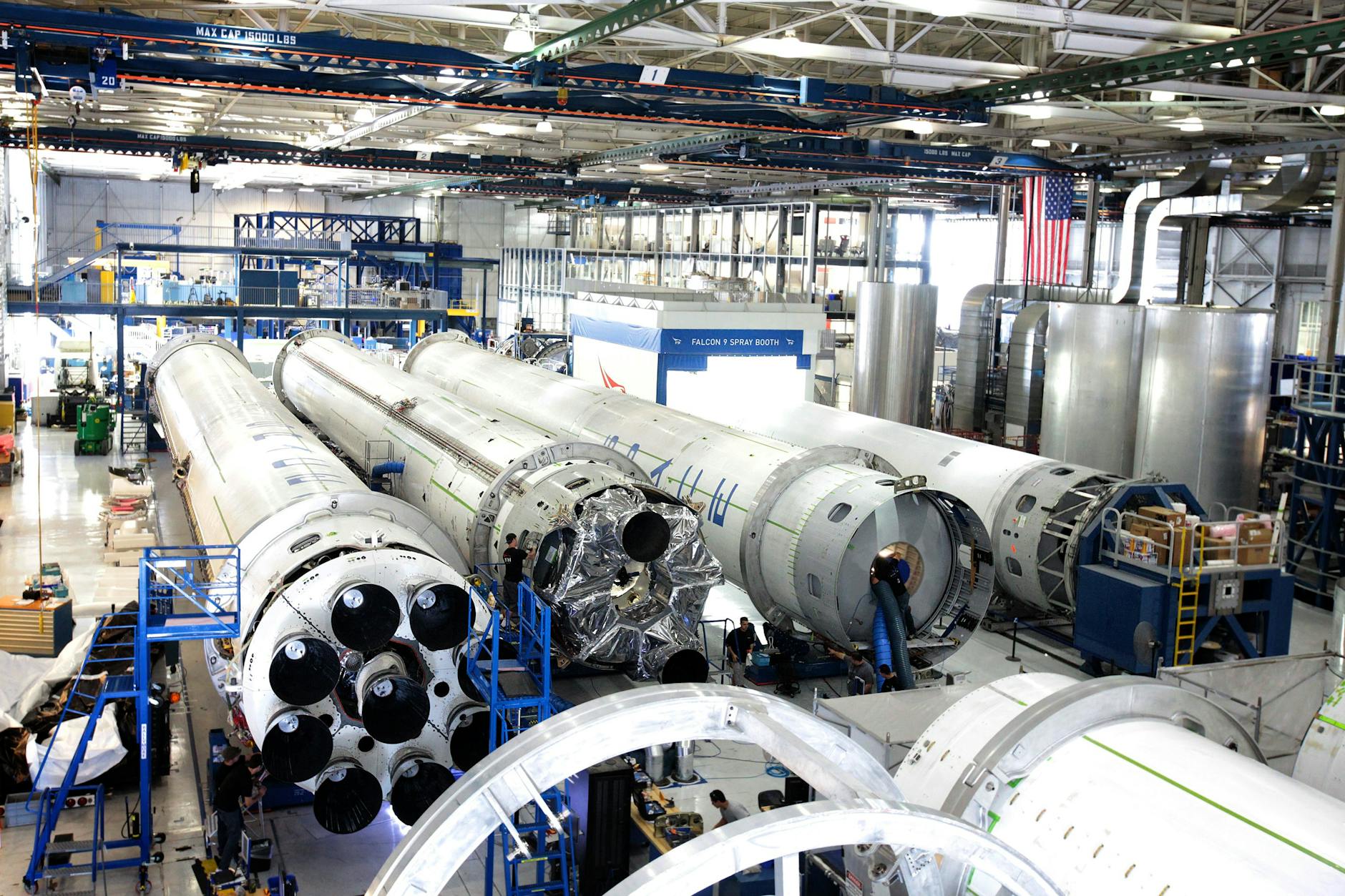
Also applies to High-pressure nitrogen and process-gas storage systems · Large-volume air storage for energy systems · Field-erected or shipped in sections with field welds · R&D and engineering test stands · Often the only practical path to keeping a legacy plant in code-compliant operation.

Install · 6 critical steps

The things that matter on the first install.

Step 01
Lock the specification document before any quoting
The spec sheet (or "design data sheet") is the contract between the customer's engineering team and the manufacturer's engineering team. Must include: operating pressure and MAWP, operating and design temperature, material of construction, vessel geometry, port schedule, internal configuration, applicable code section (Division 1 or 2), and documentation requirement (standard U-stamp vs. full U-1A package). Any field left ambiguous gets resolved later at higher cost.
Step 02
Engineering review and design approval
The manufacturer's engineering team reviews the spec against ASME requirements, flags issues, and produces a design package with calculations, drawings, and bill of materials. The customer's engineering team reviews and approves. SPC quarterbacks the review cycle, design approval is the most common delay point in a specialty vessel project.
Step 03
Fabrication and ASME inspection hold points
The manufacturer's fabrication team produces the vessel using code-qualified welders, certified materials with mill test reports, and inspector hold points at material verification, fit-up, root pass, fill passes, and final NDE (Non-Destructive Examination). The ASME Authorized Inspector reviews at each hold point and signs off; failure to meet code at any hold triggers rework.
Step 04
Hydrostatic test and final U-stamping
Vessel is hydrostatically tested at 1.3x MAWP (Division 1) or 1.25x design pressure (Division 2) with the Authorized Inspector present. Passing hydro authorizes the U-stamp; the manufacturer attaches the nameplate with all required code information (MAWP, operating temperature, year built, manufacturer's serial number, National Board number, U-stamp). Final documentation package, including U-1A, is assembled.
Step 05
Pre-shipment inspection and documentation handoff
Customer's engineering team (or their representative) frequently witnesses final test and reviews documentation before shipment. Documentation package, CMTRs, weld procedures, WPQRs (Welding Procedure Qualification Records), radiography reports if applicable, inspector logs, hydro test report, and U-1A, is delivered to the customer at this point. Confirm documentation completeness before authorizing shipment: chasing missing documents after the vessel is on site is a project-management nightmare.
Step 06
Shipping, field rigging, and site installation
Specialty vessels often require oversize-load permits, route surveys, and specialized rigging. On large-volume vessels, field-erection (vessel ships in sections and is welded together on site by the manufacturer's field crew) is sometimes necessary; field welds get their own ASME inspector hold points. Vessel is set on its prepared foundation, bolted down, plumb-checked, and tied into the customer's process piping per the P&ID. ASME safety relief valve sized to MAWP installed on its dedicated safety port. Register the vessel with the customer's state pressure-vessel program and schedule the first state inspection.
Troubleshoot · top failures

Most returns trace to one of these causes.

Symptom
Most likely cause
Fix
Specialty vessel fails state pressure-vessel inspection at first inspection after install
Documentation package incomplete (most common, U-1A missing, CMTR for one or more materials missing, inspector log incomplete), nameplate damaged or obscured during transport or install, state-specific registration paperwork not filed.
Documentation gaps are usually paperwork-fixable: contact the manufacturer's QA team and request the missing documents. Nameplate damage from transport may require a manufacturer-issued duplicate (the original stamping records are kept on file at the manufacturer and the National Board). State registration is a filing fix with the state agency. Code-deficiency findings are rare on reputable specialty manufacturers but do occur, resolution is manufacturer-led.
Visible distortion, dents, or weld discontinuity discovered post-delivery
Transport damage (rough handling, inadequate cribbing, impact during unloading), field-installation damage (improper rigging), or, very rarely, a manufacturing defect missed at final inspection.
Stop work and document the damage thoroughly (photographs, measurements, location relative to welds and ports). Contact the manufacturer's engineering and QA teams immediately. Damage assessment requires the manufacturer's judgment, minor cosmetic damage may be acceptable; damage affecting code-pressure-boundary integrity typically requires engineered repair with ASME inspector involvement or vessel replacement. Do not put the vessel into service until the manufacturer authorizes.
ASME safety relief valve lifts during normal operation on a high-pressure vessel
Process upstream producing transient overpressure events that exceed the valve setpoint (most common, process control loop responding too slowly), valve setpoint mismatched to MAWP or set too close to operating pressure, valve seat damaged from repeated lifting, or incorrect valve sizing for the process flow.
Verify the process control loop is operating within its design envelope; check upstream pressure-control devices for proper operation. Verify the valve setpoint matches MAWP and operating pressure is below 90% of the setpoint (smaller margin causes nuisance lifting). Replace any valve that has lifted multiple times, seat fatigue causes lifting below spec.
Customer reports the vessel "doesn't hold pressure overnight" or has unexpected pressure decay
External leak at a field tie-in connection (most common on newly installed vessels), internal leak between chambers in a multi-chamber vessel (rare but serious), small leak at the relief-valve seat, leak through downstream process equipment allowing back-flow, or leak hidden behind insulation on jacketed/insulated vessels.
Soap-check all field tie-in connections first, field welds and threaded connections are the most common leak points. Verify the relief valve is properly seated. On multi-chamber vessels, perform an inter-chamber leak test per the manufacturer's procedure. On insulated vessels, schedule an insulation-removal inspection if soap-checking visible joints doesn't find the leak.
Vessel-mounted instrumentation reading incorrectly
Instrument out of calibration (most common, installed-and-forgotten), process media contamination of the instrument (oil mist, condensate, particulate in non-isolated instruments), instrument-tap restriction (tap line plugged with rust, scale, or process residue), or instrument failure.
Verify calibration against a reference; recalibrate or replace as needed. Clean instrument-tap lines if plugged. Install isolation valves between the vessel and any instrument that needs periodic service: this should have been spec'd at the start; retrofit isolation valves on existing taps if not.
Vessel approaches or exceeds rated cycle count (low-cycle vessels in pressure-cycling service)
Operation pattern with more pressure cycles per day than the vessel was designed for, process changes that introduced cycling the vessel wasn't spec'd for, or original cycle-count specification too low for the actual application.
Cycle-life is a fatigue calculation specific to the vessel's design. The customer's engineering team needs to review the operating pattern against the rated cycle count. Approaching the rated count requires inspection (often radiographic NDE of high-stress areas to verify remaining service life) or replacement. Don't let a high-cycle vessel exceed its rated count without engineering review, fatigue failure of a pressure vessel is severe.

Get the right specialty / custom pressure vessel on quote in 24 hours.

Send us the application — a specialist routes you to the correct tier with a configured part. Lead-times and pricing returned within one business day.

Open quote engine ↑