Symptom
Most likely cause
Fix
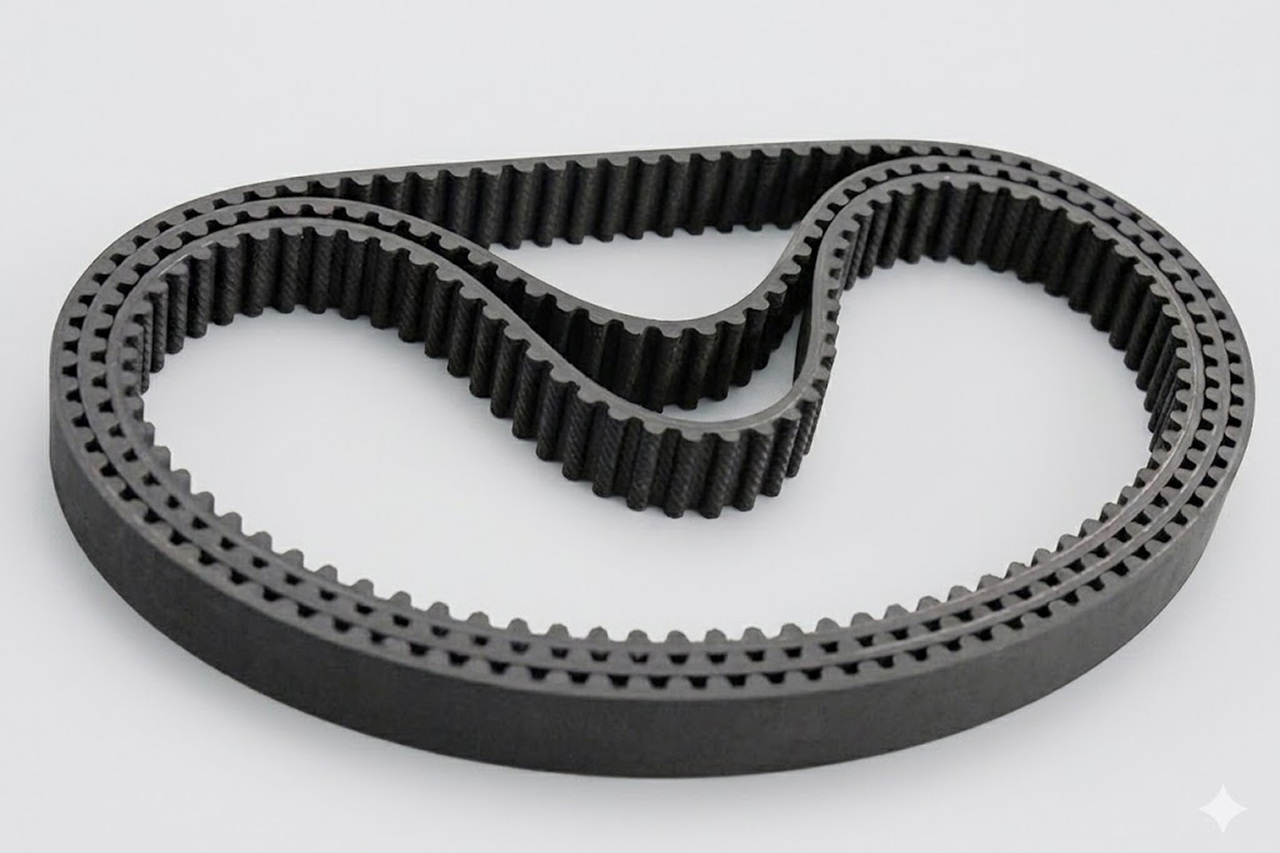
New belts wear out fast or run hot
Worn/glazed sheave grooves that no longer seat the belt, sheave-to-driven misalignment, or belt tension wrong (too loose slips, too tight side-loads).
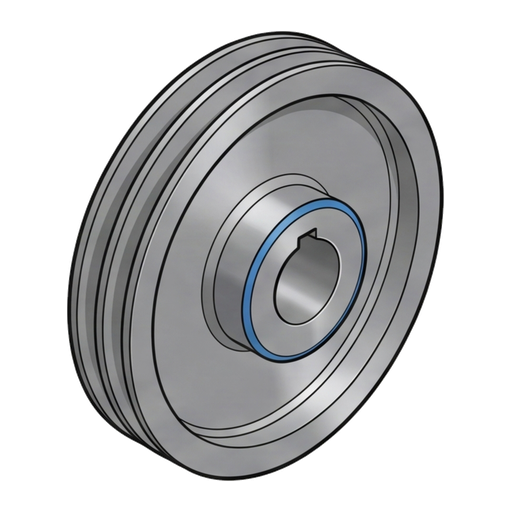
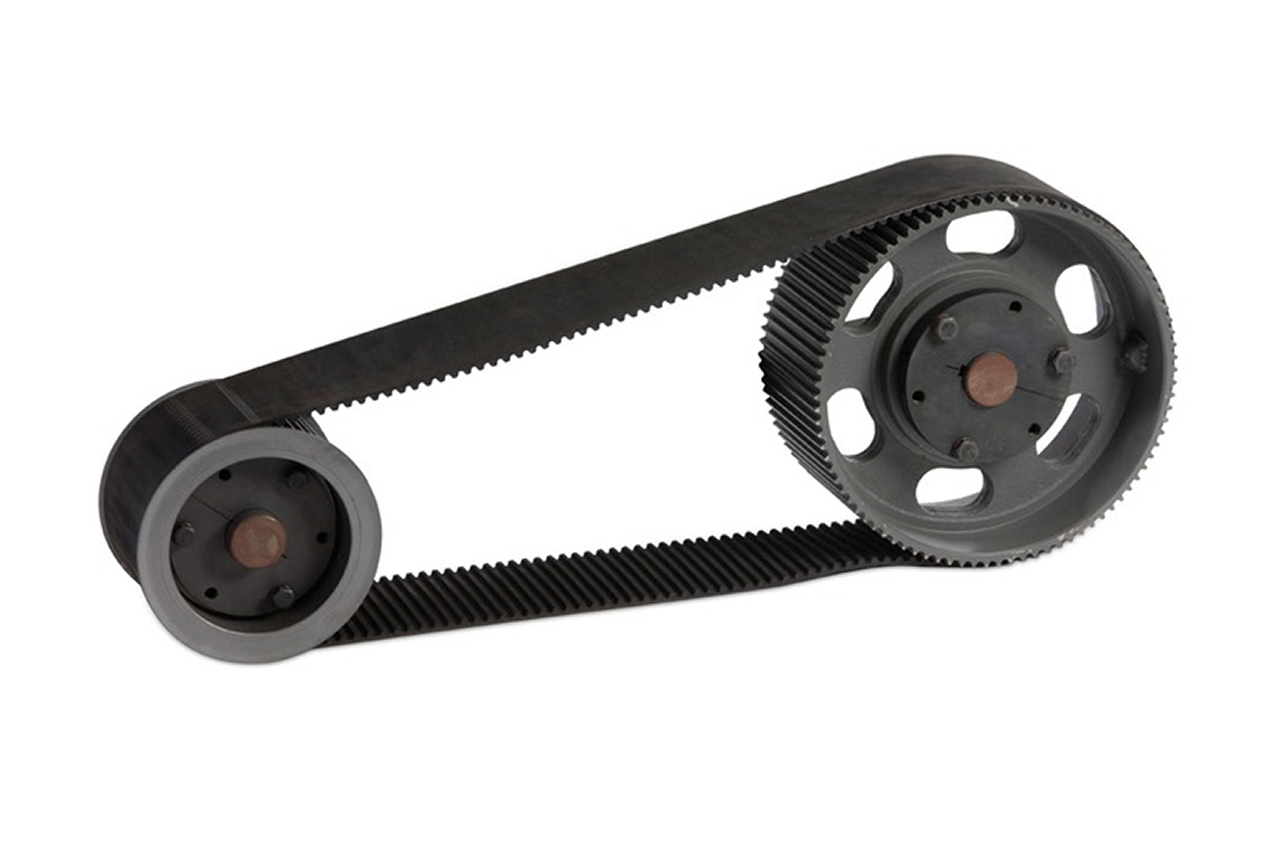
Inspect the grooves for glazing, polishing, or a rounded seat, replace the sheave if worn. Straightedge the two sheaves into one plane. Re-set tension to belt spec and re-check after the belts seat.
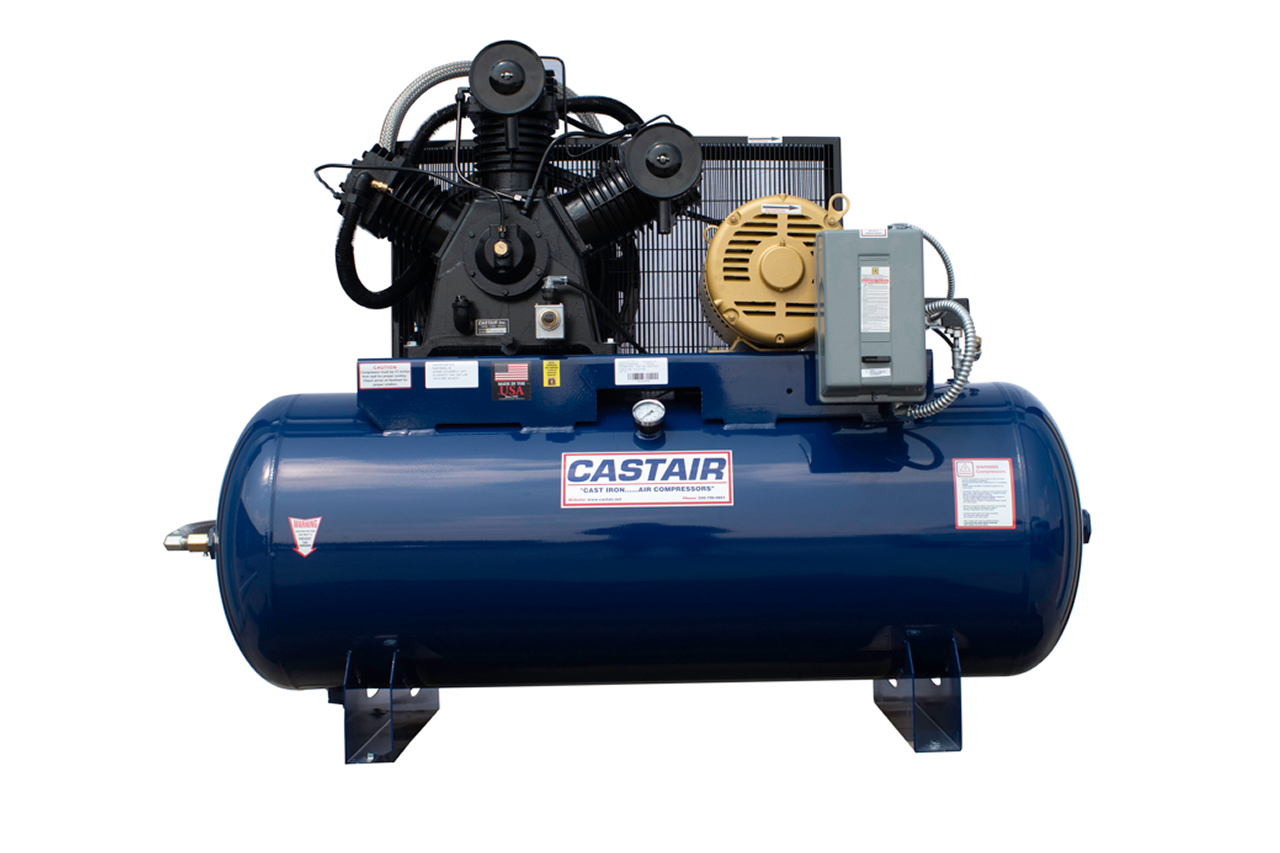
Compressor low on air / not making rated CFM
Wrong drive ratio, undersized motor sheave OD, or belts slipping so the airend never reaches speed, or a variable-pitch sheave set to the wrong effective diameter.
Measure airend RPM against the rating. If low and belts aren't slipping, the ratio is wrong, step up the motor sheave OD or open a variable-pitch, then re-check motor current. If belts slip, fix tension and sheave wear first.
Motor trips the overload after a sheave change
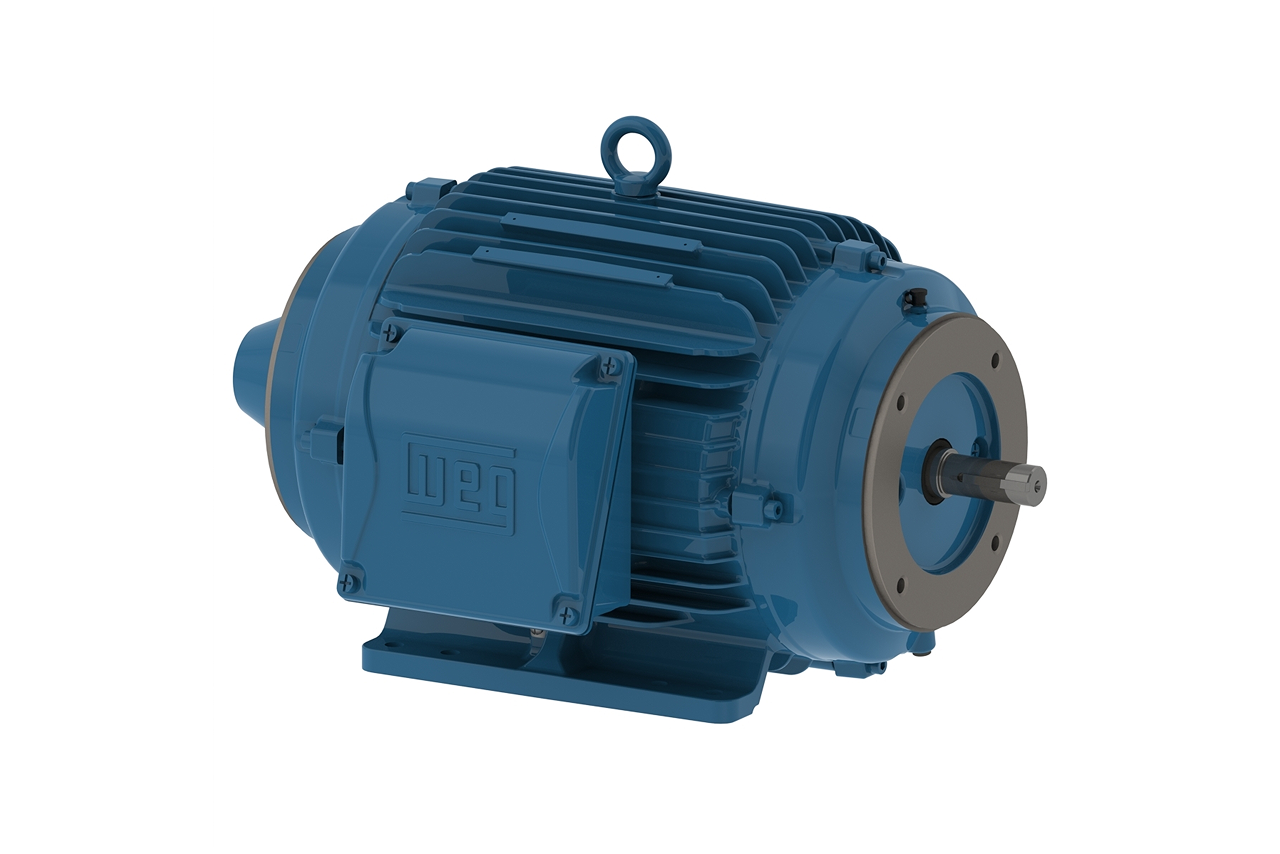
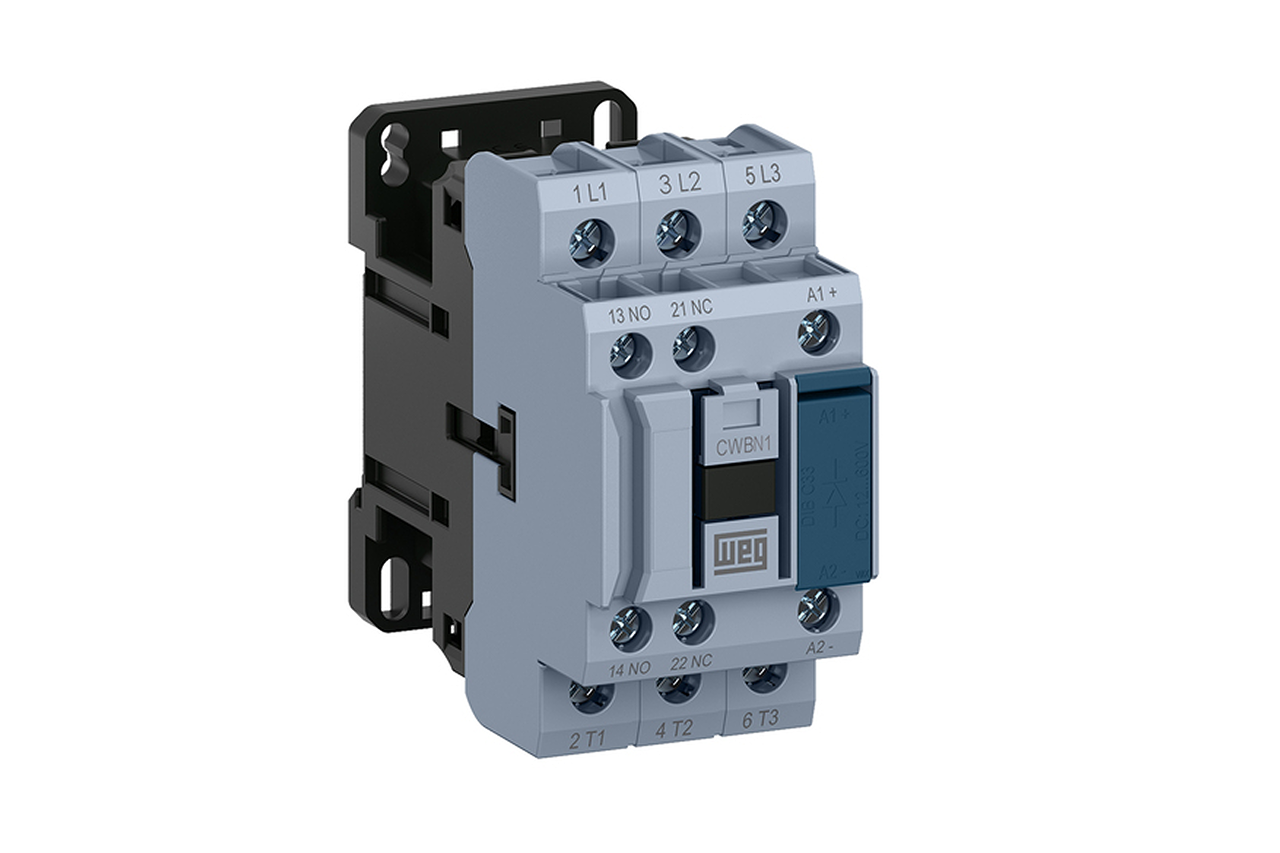
Motor sheave OD increased too far, higher airend RPM raised the load past the motor's capacity. Or belts over-tensioned and side-loading.
Verify the new ratio against motor HP and airend max RPM. Step the motor OD back down, or back off a variable-pitch, until current is within nameplate FLA. Confirm tension isn't the cause before re-sizing.
Sheave walks on the shaft / keyway rounded out
Loose bushing or setscrew, key not seated, or a sloppy bore worn over time.
Pull the sheave, inspect the bore and keyway, if rounded, replace. Re-seat the key, draw the bushing up and torque the screws to spec. A bushed (QD/taper-lock) sheave grips better than a worn fixed bore on a tired shaft.
Vibration or noise at the drive
Sheave mounted off-square, bent or damaged sheave, misalignment, or a variable-pitch that vibrated off setting and unlocked.
Check the sheave runs true and is seated square. Re-align to the driven sheave. On variable-pitch, confirm the flanges are at one setting and the locks are tight. Replace a cracked or bent sheave, don't run damaged.