DISTRIBUTOR-FIRST SUPPLY PARTNER · SINCE 1999 Live · Compressed Air System

SPC Company
Compressed Air / Generation / Air Compressors / Reciprocating Compressor
Layer 01 · Generation Performance · Chicago Pneumatic Value · ABAC
What it is

Reciprocating Compressor

Compare tiers ↓

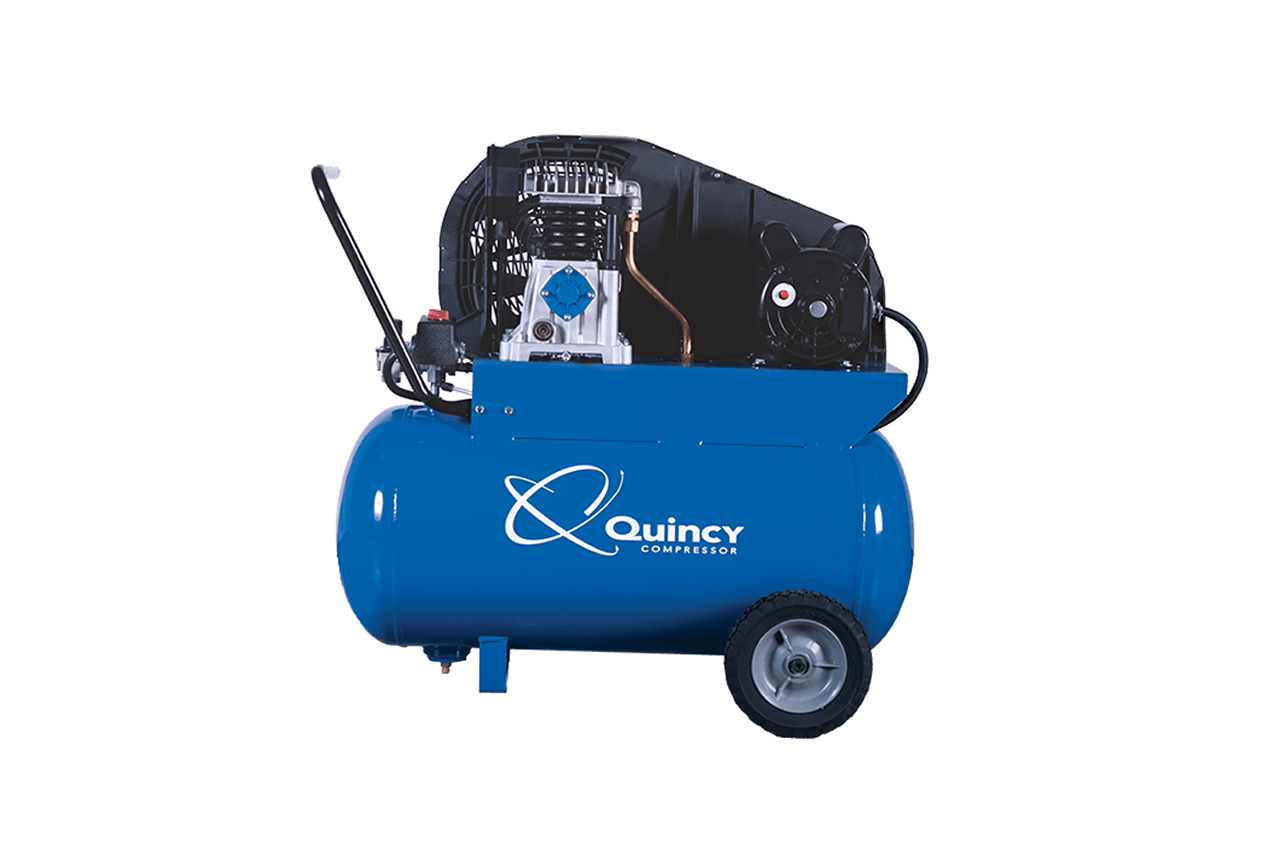
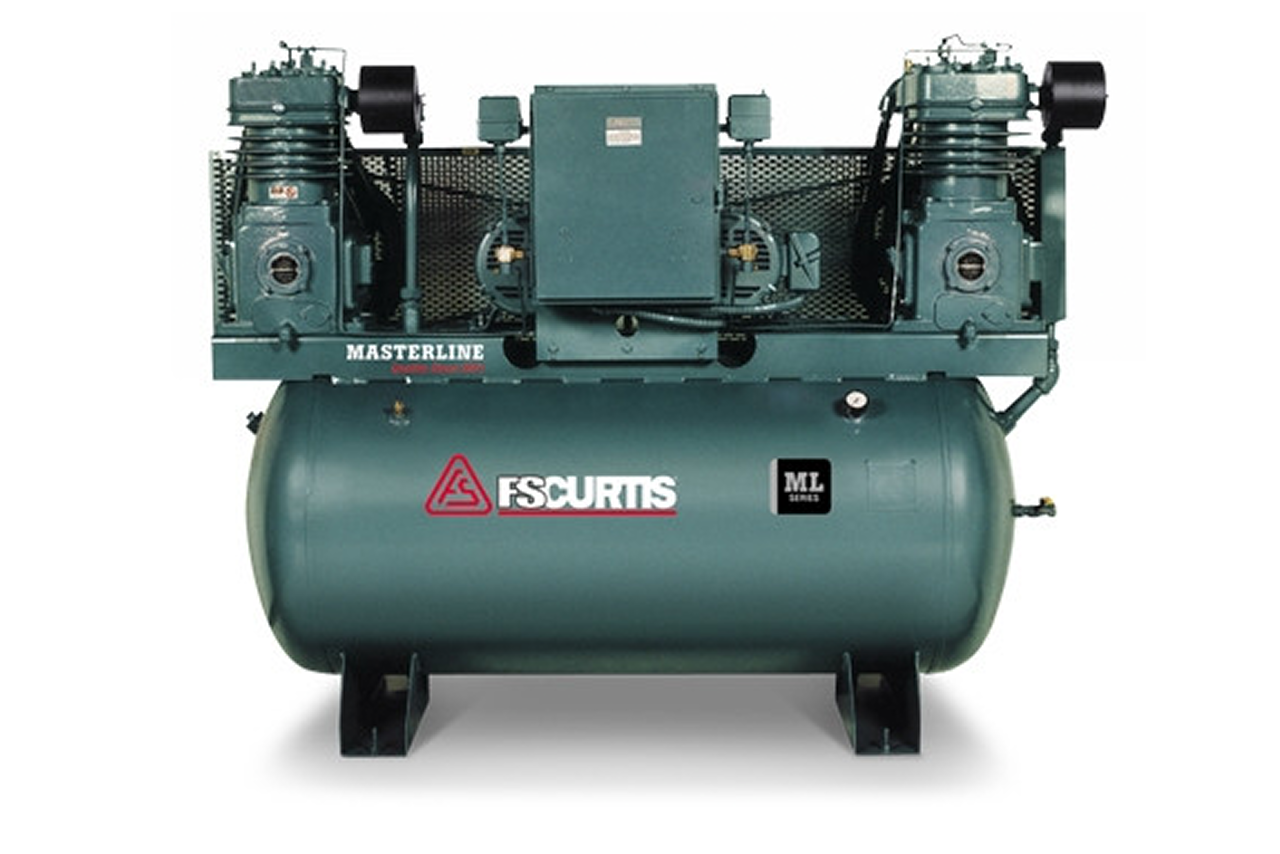
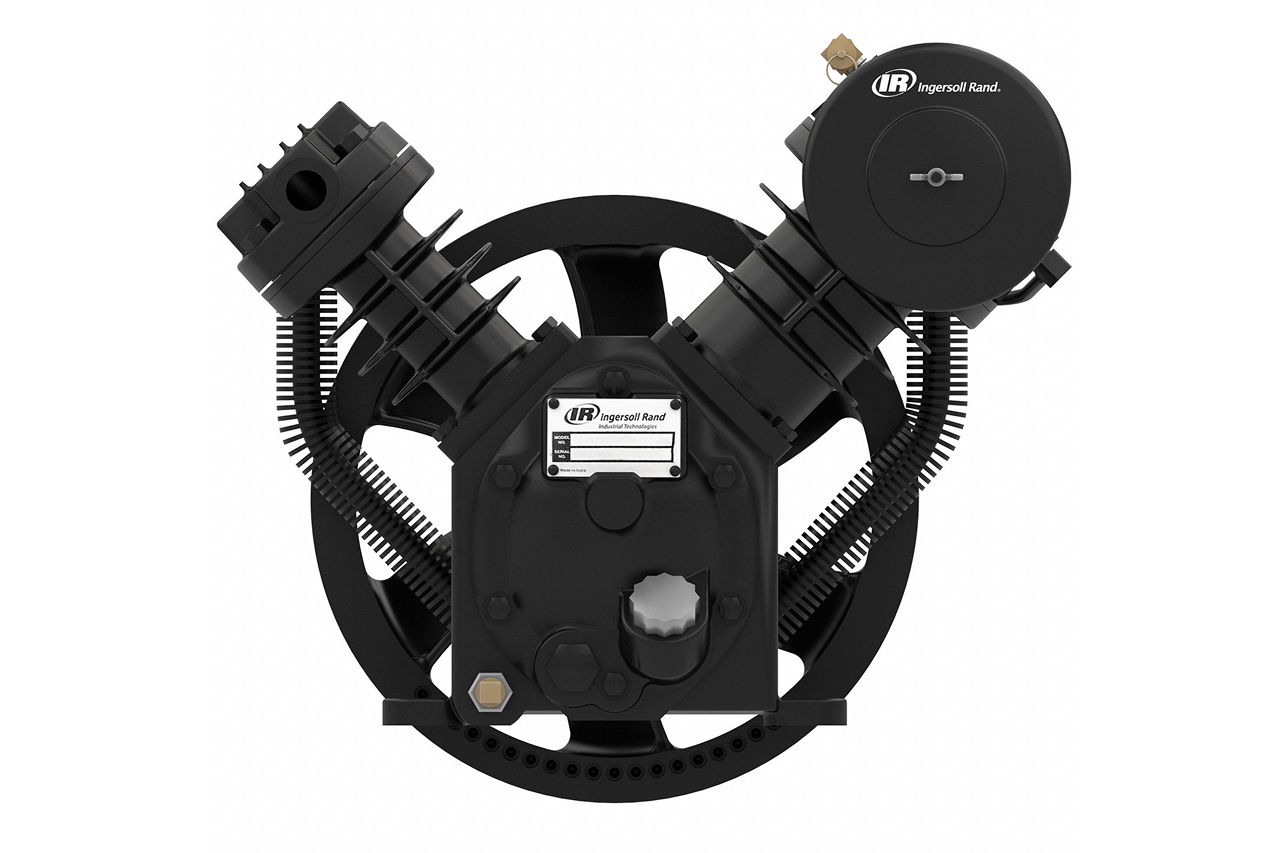
A reciprocating compressor is an intermittent-duty piston compressor, a motor driving one or more pistons inside cylinders, delivering compressed air to a tank-mounted or floor-standing receiver. It is the lowest-upfront-cost compressor type, field-rebuildable with common parts, and sits in the generation layer at the head of the compressed air system. Sized fractional HP up to ~30 HP for shop work; heavy-duty industrial frames reach 50+ HP. Built single-stage (to ~175 PSI) or two-stage (to ~200 PSI).
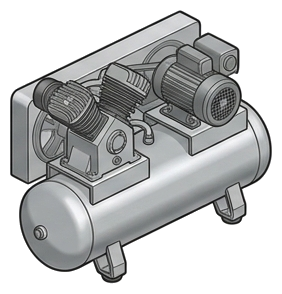
Pictorial Representative reciprocating compressor
Reciprocating Compressor — representative illustration
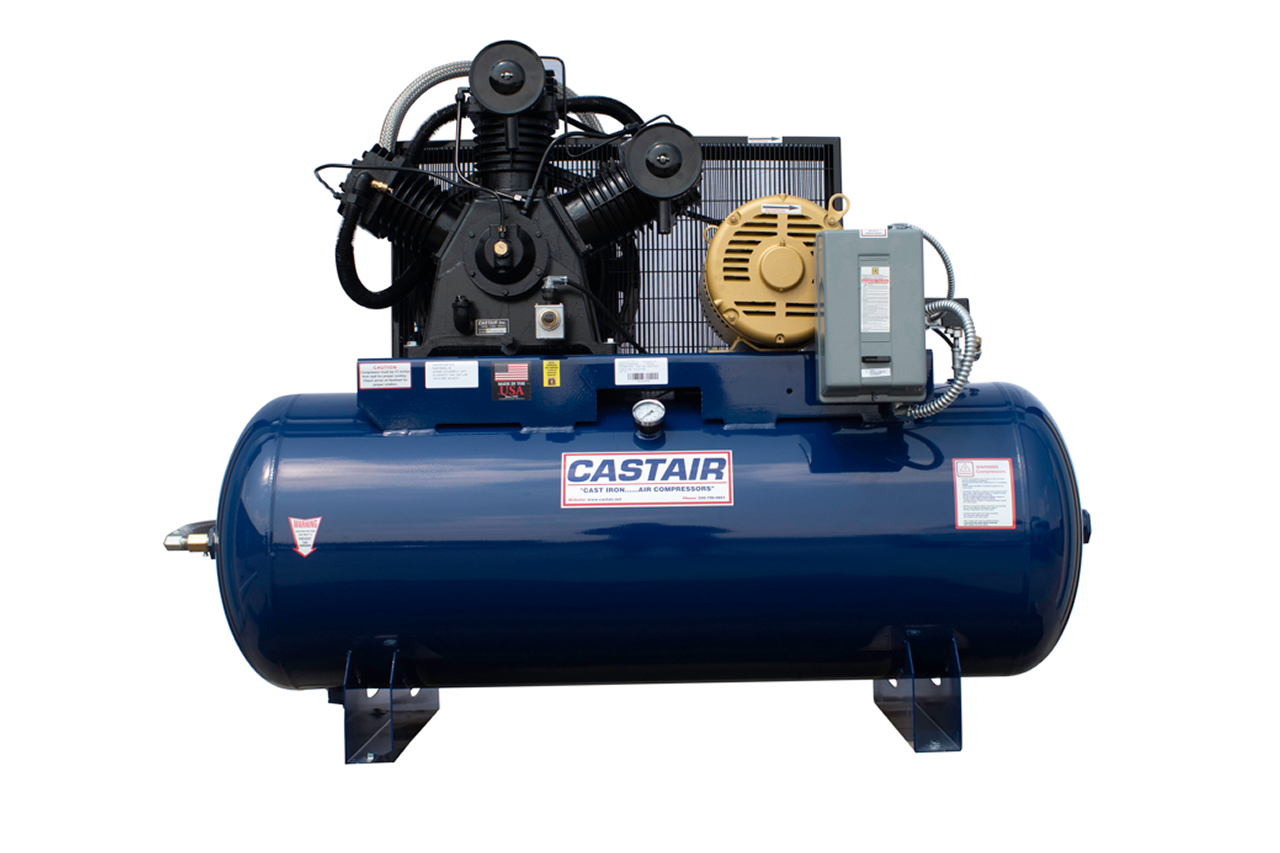
Real-world reference Representative reciprocating compressor
Reciprocating Compressor — representative product photo
Why it's needed

Why this matters.

When a reciprocating compressor is the right fit, and when it will burn out in 18 months. Review the points below.

01 · Key point
Lowest upfront cost.

Cast-iron piston pump on a tank-mounted receiver is the cheapest entry point in the compressor category. Right-sized for shops where a rotary screw would amortize against a small revenue stream.

02 · Key point
Field-rebuildable with common parts.

Valve plates, ring sets, gasket kits all replace at the customer's bench. 10,000+ running hours on a pressure-lubricated cast-iron pump with disciplined maintenance, a 15-year machine when the duty cycle is honest.

03 · Key point
Tolerates on-off shop work.

Impact gun for thirty seconds, idle for two minutes, repeat, that's a recip's natural rhythm. Output runs ~3.5 CFM/HP at 100 PSI; single-phase up through ~7.5 HP keeps small shops off three-phase service.

04 · Pro tip
Stage count is set by pressure.

Single-stage to ~175 PSI for the 100-125 PSI shop work that covers most accounts. Two-stage to ~200 PSI with inter-stage cooling for 150+ PSI tools, paint systems, or extended-runtime accounts that benefit from cooler running.

05 · Where not to use
Loaded more than ~40 min/hr.

A cast-iron pump is capped at 60-70% loaded time per hour. Push it harder, CNC, production line, multi-shift, and rings glaze, valves cook, rebuild interval collapses from years to months. → Switch to rotary screw when loaded duty exceeds 40 min/hr.

06 · Where not to use
Class 0 or clean-air work.

Oil-lubricated by design, some oil carryover is normal. Food-direct-contact, pharma, electronics fail audit; even paint and fine finishing need point-of-use coalescing + carbon. → Re-spec to oil-free for Class 0 applications.

07 · Where not to use
Noise-sensitive spaces.

Reciprocating runs 80-90 dB versus 60-75 dB on rotary screw, noticeably louder in a working bay. → Move outdoors in a vented enclosure, or migrate to rotary screw when shop noise becomes a complaint.

RFQGuided system builder

Tell us about the shop. We size the system.

Answer a few plain questions and we build the full compressed air system for you: compressor, dryer, tank, filtration, and piping. No pricing here on purpose. SPC sizes, sources, and sends you an exact quote.

04Choose your priority  ·  core differentiator

Whatever your lever — performance, value, or price — SPC has the right brand.

Pick the priority; the quote desk handles the cross-reference.

01 Performance 2 brands
02 Value 3 brands
Where it's used

Industries served.

Each industry below uses this product across the listed areas. Open an industry to see how it fits the rest of its system.

Also applies to Auto repair shops & tire centers · Body shops & collision repair · Service trucks & mobile units · Residential garages & serious DIY

Install · 6 critical steps

The things that matter on the first install.

Step 01
Confirm install location and ventilation
Reciprocating compressors throw heat, measurably more than rotary screw at the same HP because they reject it all into the room (rather than into oil that gets cooled). Indoor installs need air change and a clear path for intake air; outdoor needs a weather-rated enclosure. Compressor-room ambient above 90°F shortens pump life regardless of brand.
Step 02
Size and orient the receiver
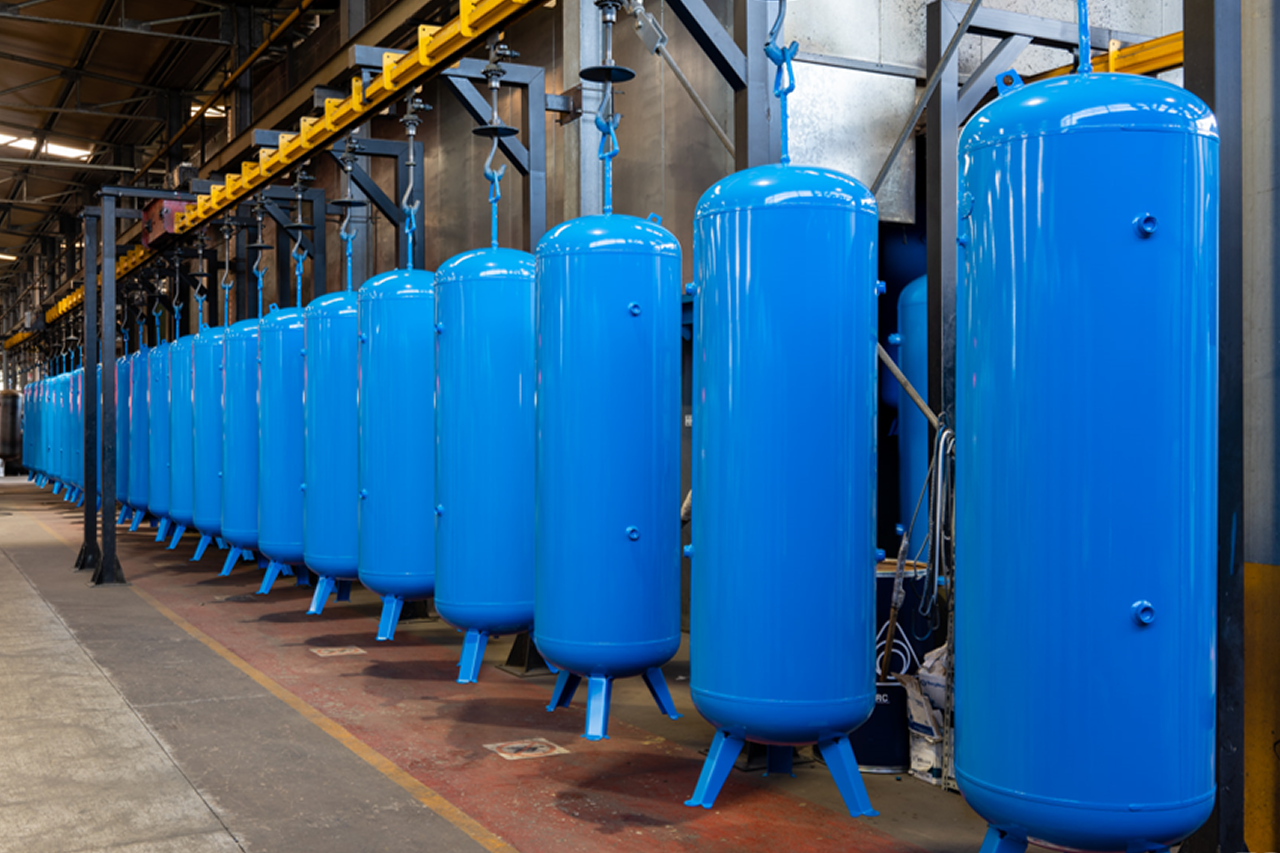
Minimum receiver volume: 4 gal/CFM for general shop work; bump to 6-10 gal/CFM for heavy intermittent draws (sandblasting, large impact tools). Vertical tanks save floor space and drain cleanly; horizontal tanks are more stable but eat floor area. Tank-mounted recips have the tank built in, confirm size meets the application requirements rather than the manufacturer's convenience.
Step 03
Verify electrical service
Match motor voltage and phase to the building's panel. Common pinch: shops with single-phase service that need above 7.5 HP. Solutions: size down to a single-phase unit, upgrade the service, or, only on industrial sites with clean power, install a heavy-duty phase converter rated for the motor's inrush.
Step 04
Plumb the discharge correctly
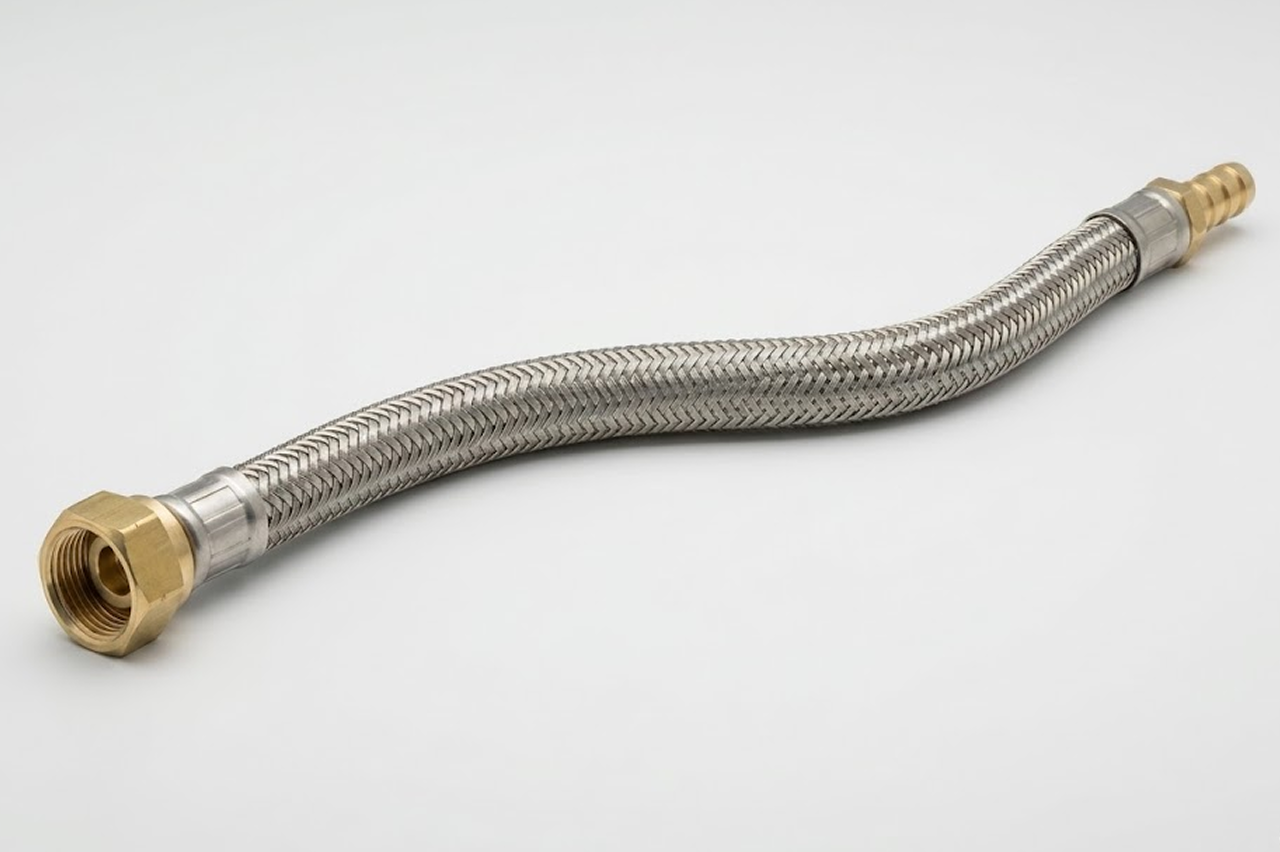
Use rigid pipe (black iron or aluminum) sized for the flow, NOT flexible hose, flexible hose pulses with the recip's pressure waves and fails at the fittings. Slope discharge piping back to a moisture drain so water gravity-flows out, not into the customer's tools.
Step 05
Install an aftercooler ahead of the dryer
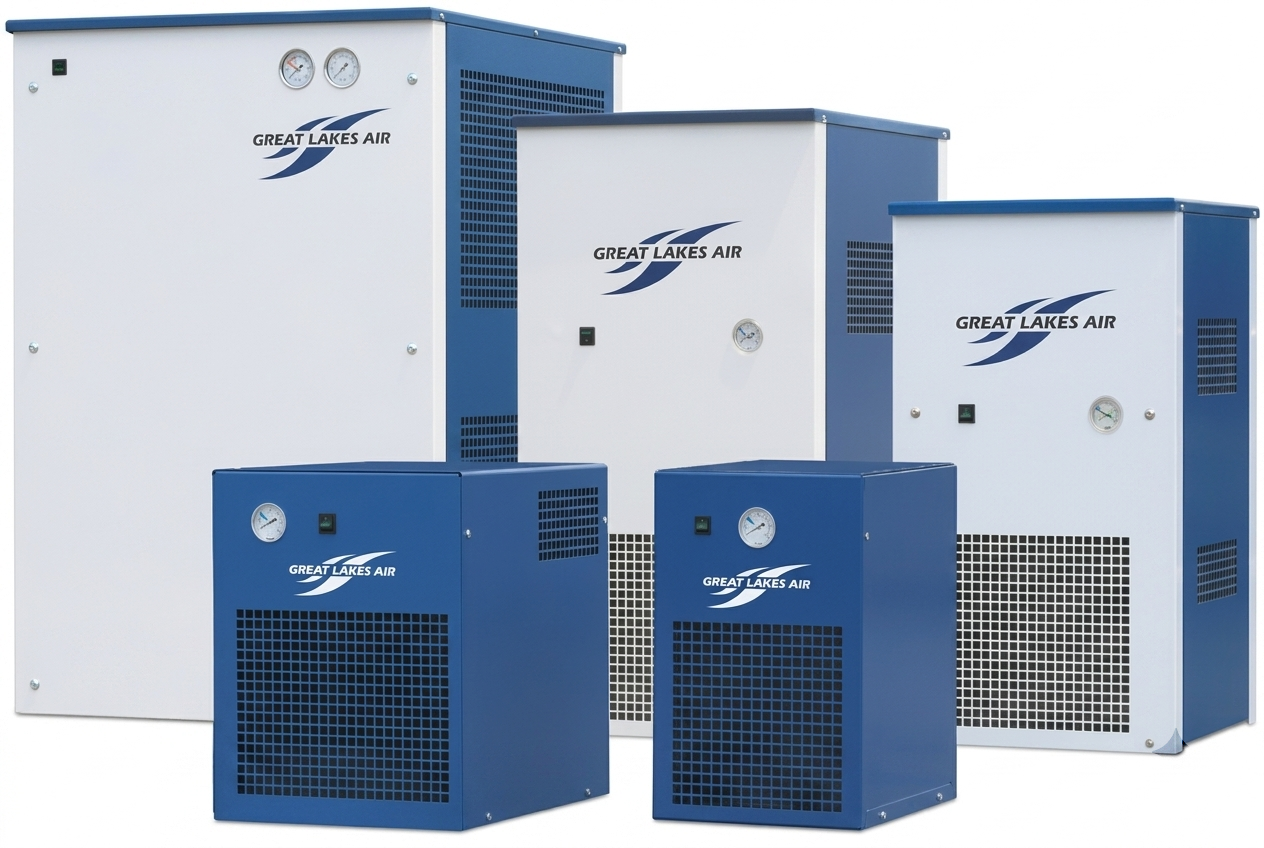
Reciprocating compressors discharge air at 250-350°F; the receiver tank acts as a partial heat sink but doesn't bring air down to dryer-inlet temperature. For applications needing refrigerated or desiccant drying downstream, install a dedicated aftercooler, or the dryer's refrigeration circuit will be overworked and fail early.
Step 06
Drain the receiver, automatically
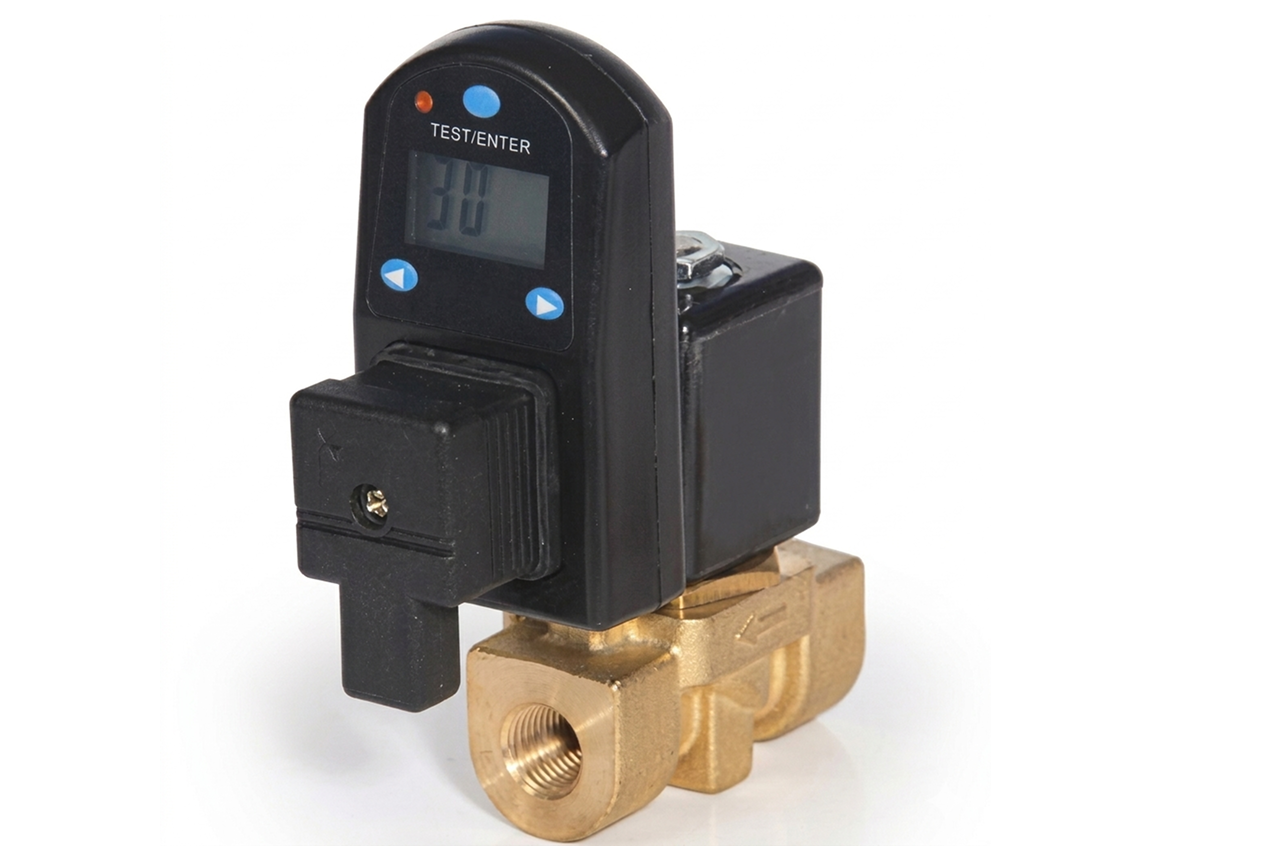
Manual drain valves get forgotten (usually within the first month). Install an electronic-timer drain or automatic float drain at every condensate-collection point (receiver bottom, aftercooler, dryer pre-filter, dryer post-filter). Route any oil-bearing condensate to an oil-water separator (OWS), tying oily condensate to sanitary is a regulatory violation in most jurisdictions.
Troubleshoot · top failures

Most returns trace to one of these causes.

Symptom
Most likely cause
Fix
Compressor stops building pressure / runs constantly without reaching cutout.
Worn or stuck valve plates (most common on older or hard-run pumps), worn piston rings, leaky head gasket, or a downstream system leak large enough that the pump can't catch up. On tank-mounted units it can also be an unloader valve stuck closed.
Isolate compressor from system (close tank valve) and run against a closed discharge, if it builds pressure standalone, the issue is downstream (system leak). If it still won't build, pull the head and inspect valve plates first, then rings. Both are field-replaceable.
Excessive noise, vibration, or knocking.
Loose flywheel or pulley, worn connecting-rod bearings (the knocking sound is the rod hammering against the crank pin), loose mounting bolts, or a bent crankshaft. Belt-drive units can also vibrate from belt misalignment.
Check easy items first, flywheel set screw, belt tension, mounting bolts. If tight, drain oil and inspect for metal particles. Significant metal = rod or main bearing wear; rebuild required. Don't run a knocking compressor: next failure is severe.
Oil consumption higher than normal / oil in the discharge air.
Worn piston rings letting oil past, an overfilled crankcase (most common, splashes oil up into the compression chamber), or a clogged intake filter pulling extra vacuum that pulls oil past the rings.
Check oil level against the sight glass, overfilled is the easy fix and more common than rings. Replace intake filter. If neither resolves, pull the head and measure ring gap. Note: recip is NOT oil-free; some oil carryover is normal and is handled by downstream filtration.
Pump overheating / thermal cutout tripping.
Duty cycle too high (most common, customer outgrew the recip's intermittent rating), ambient temperature too high, fouled cylinder fins (dust insulating the cooling fins), failed cooling fan, low oil level, or wrong oil grade for ambient.
Pull run-hour data, if loaded duty exceeds 60-70%, the customer needs a rotary screw, not a different recip. Clean cylinder fins (often missed at service). Verify cooling fan and oil level.
Compressor short-cycles (turns on and off rapidly).
Receiver tank too small for demand, pressure switch differential set too narrow (typical 20-30 PSI between cut-in and cut-out), or a slow leak below the pressure switch's sensitivity.
Verify tank sizing, minimum 4 gal/CFM. Reset pressure switch to 20-30 PSI differential (90 cut-in / 120 cut-out is typical). Pressure-test the system with the compressor off; pressure dropping more than 5 PSI in 5 min indicates a cycle-inducing leak.
Tank rusting from the inside / persistent water at the drain.
Manual drain valve being forgotten (the universal failure), inadequate ventilation in the compressor room, or a failing aftercooler / dryer letting hot wet air into the receiver.
Replace manual drain with electronic-timer or automatic float drain. Verify dryer is matching compressor output. Tank rusted past inspection criteria is a safety hazard, replace, do NOT patch.

Get the right reciprocating compressor on quote in 24 hours.

Send us the application — a specialist routes you to the correct tier with a configured part. Lead-times and pricing returned within one business day.

Open quote engine ↑