Symptom
Most likely cause
Fix
Compressor won't restart, hums and trips on start (reciprocating)
Head pressure trapped in the pump, the unloader isn't bleeding it off at shutdown, so the motor restarts against load and can't develop starting torque. Plugged unloader line, failed unloader valve, or a switch quoted without the unloader.
Confirm the switch has a working integral unloader and the line to the pump head is clear. Watch a shutdown, head pressure should bleed audibly. If the switch has no unloader on a recip, it's the wrong part; replace with the unloader version.
Compressor won't shut off / overpressures and pops the relief
Switch isn't reaching cut-out; set band drifted, contacts welded closed, or cut-out is set at or above the tank relief setting.
Check cut-out against a calibrated gauge. If the contacts are welded (often from an under-rated switch on too large a motor), replace the switch and verify the contact rating against the motor FLA. Confirm cut-out sits below the relief setting.
Switch chatters or cycles too rapidly
Differential set too tight, a system leak dragging tank pressure down through the cut-in point, or a failing diaphragm.
Widen the differential to a sane spread. Find and fix the leak that's bleeding the tank. If the band is correct and the system is tight, the diaphragm is failing, replace the switch.
Contacts pitted, burnt, or welded
Switch contact rating undersized for the motor, or the motor is being switched directly when it should pilot a starter. Each start arcs the contacts; an under-rated switch burns them down fast.
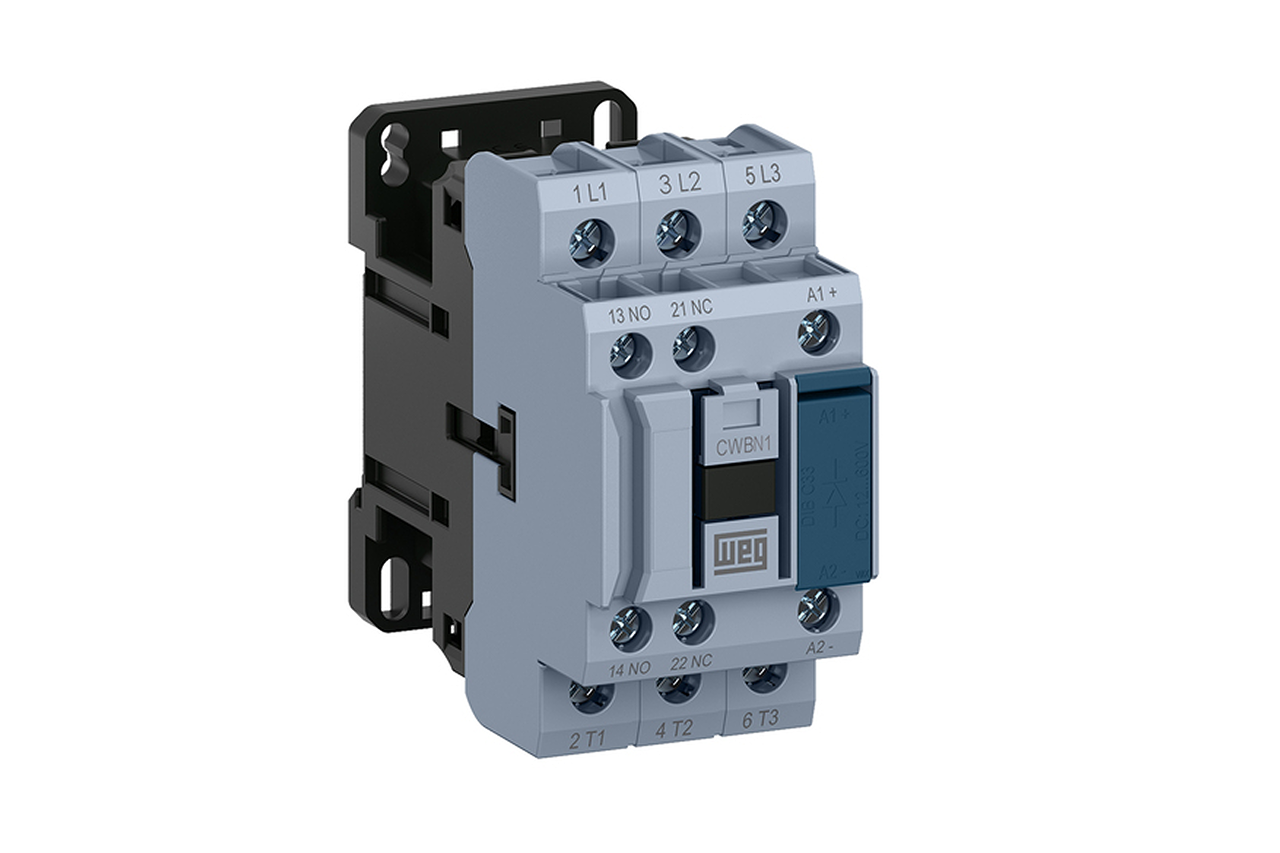
Verify the switch HP/FLA against the motor nameplate. On a larger motor, re-wire as a pilot to a magnetic starter so the starter carries the load. Replace the burnt switch.
Set band drifts off over time
Spring fatigue or diaphragm wear: the switch loses calibration and cut-in/cut-out wander from the set points.
Re-set against a calibrated gauge once; if it drifts again, the diaphragm or spring is worn and the switch is at end of life. Replace it.