When a V-belt is the right call, how to match and tension it, and where the wrong call costs a return service visit. Review the points below.
01 · Key point
Always replace as a matched set.
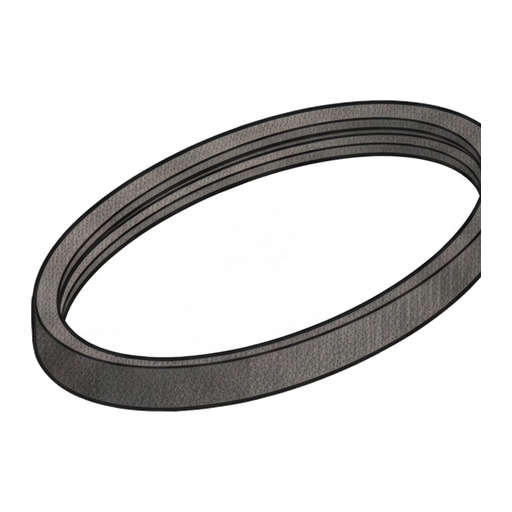
On a multi-belt drive, mixing a new belt with old ones means the new belt carries the load and the old ones ride along, uneven tension, fast wear, and a callback in weeks. Replace every belt in the groove as a length-matched set so the load shares evenly. The set costs a few dollars more than one belt and saves the second service trip.
02 · Key point
Read the section and length off the part.
The cross-section and length are stamped on the side wall of the old belt (e.g. "B60", "5VX800"). Read it off the part or match the sheave grooves, classical and narrow sections are not interchangeable, and a measured guess from the running machine drifts. A photo of the stamp is the whole quote.
03 · Key point
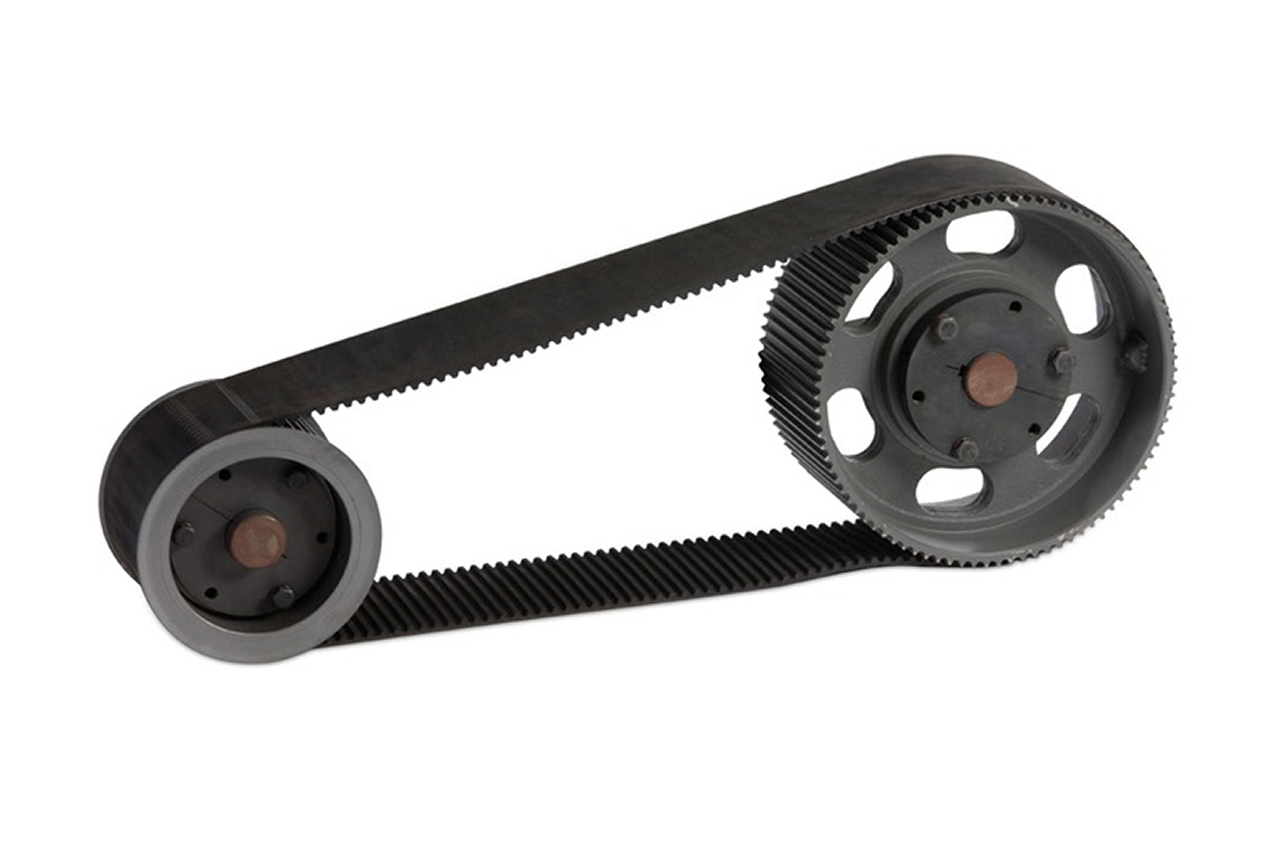
Cogged belts run cooler and save energy.
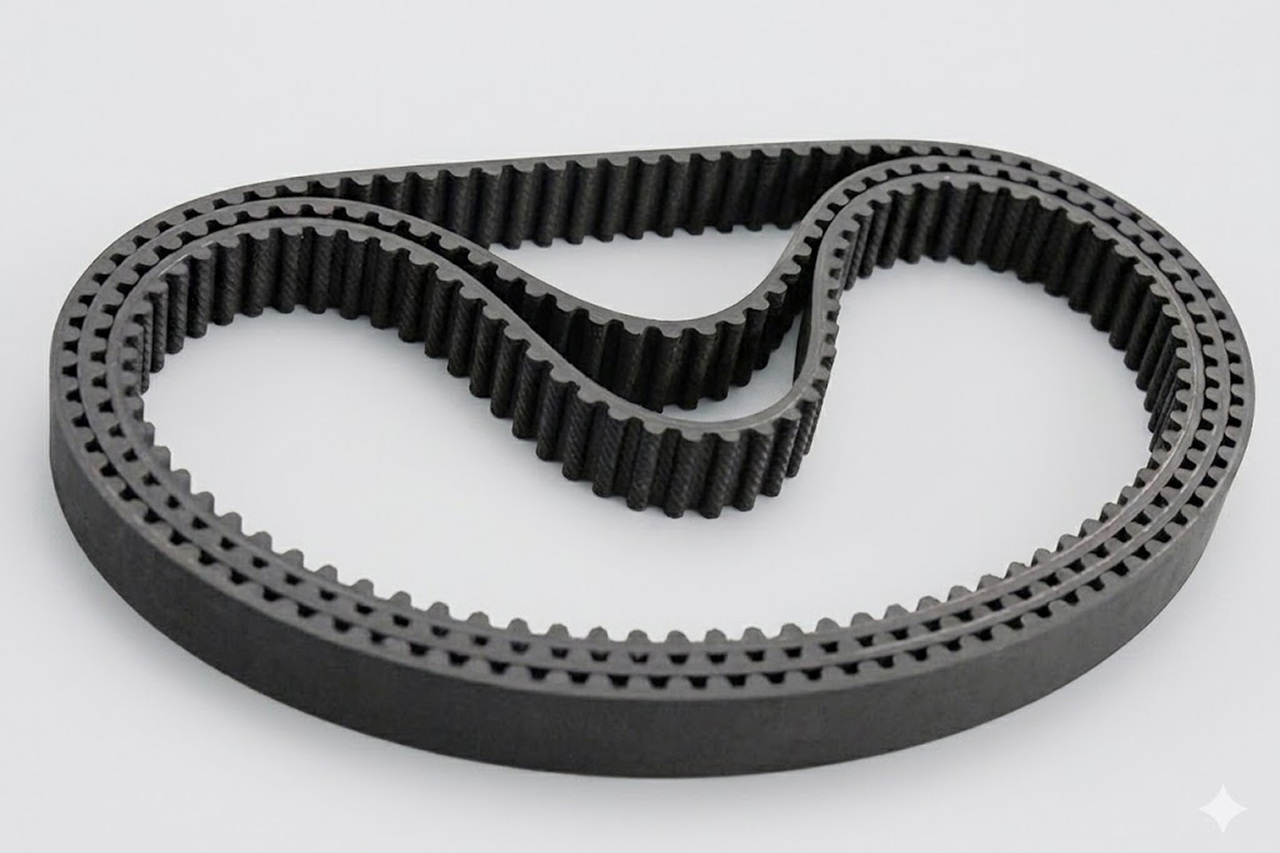
A cogged / notched belt flexes into the sheave with less heat build-up and returns roughly 2-4% in drive efficiency over a smooth belt. On a compressor that runs a shift or more, that energy saving dwarfs the small price premium. Quote cogged as the upgrade on continuous duty.
04 · Pro tip
Tension is the whole job.
Correct tension is what makes a belt last. Too loose slips, glazes, and bakes itself hard; too tight side-loads the motor and airend bearings and shortens both. Set tension to the deflection spec at install, then re-tension after the first few hours of run-in, new belts seat and stretch.
05 · Where it bites
Mixing old and new belts.
One belt failed, so the customer wants to replace just that one. The new belt is a different length than the stretched survivors, takes all the load, and fails fast. → Replace the full set, every time, on any multi-belt drive; this is the single most common belt callback.
06 · Where it bites
Wrong section for the sheave.
A belt that almost fits a groove rides high or bottoms out, loses grip, and chews itself up. Classical A/B/C and narrow 3V/5V are not interchangeable. → Match the section to the sheave grooves, confirmed off the old belt stamp, before quoting the length.
07 · Where it bites
Belts throwing off a shock drive.
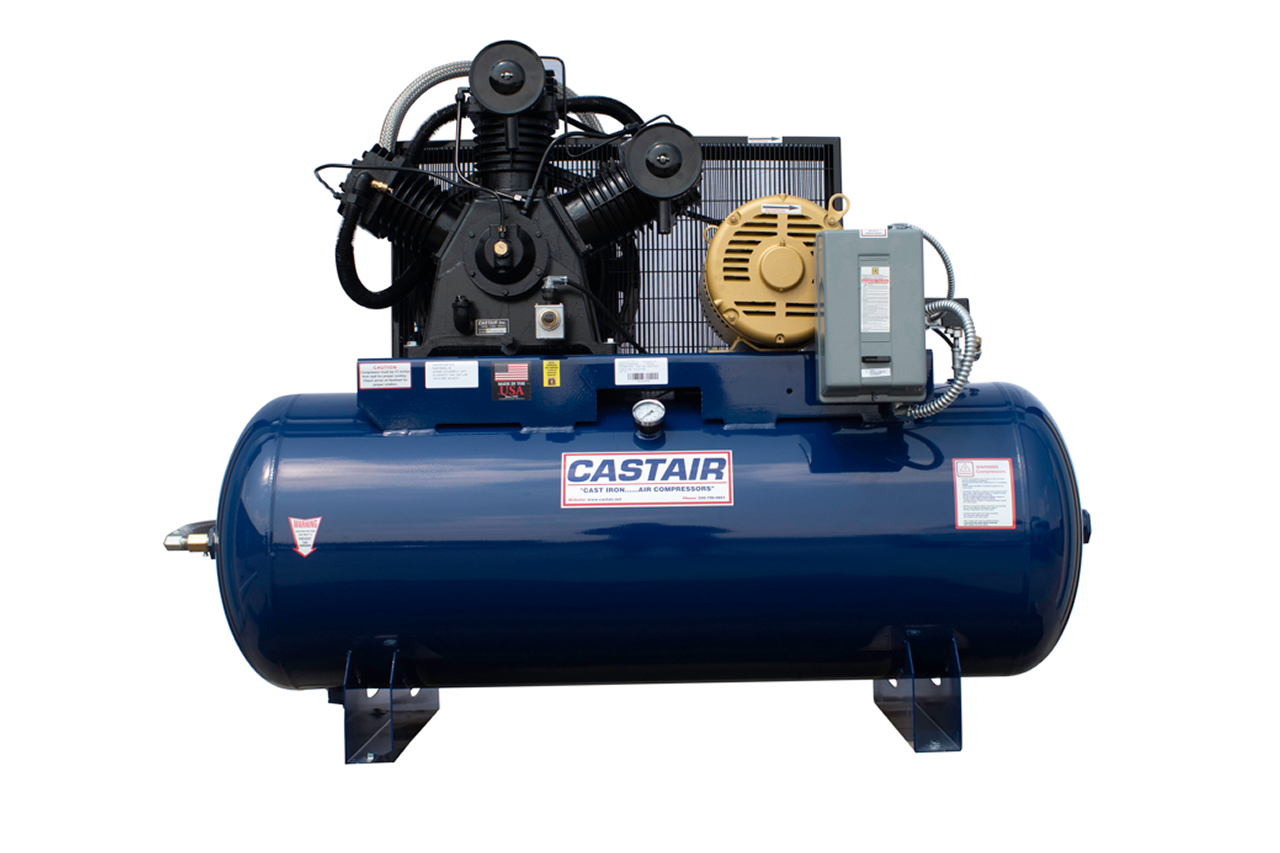
On a reciprocating compressor the torque pulses, and single belts can whip, flip, or jump the sheave. → Quote a banded (joined) set when single belts keep coming off or wearing unevenly; the tie-band holds the ribs together through the pulsation.